


New York Judge Orders Anonymous Jury for Luigi Mangione Trial, Citing Concerns About Radicalized Supporters’ Healthcare Grievances
Point of contention.
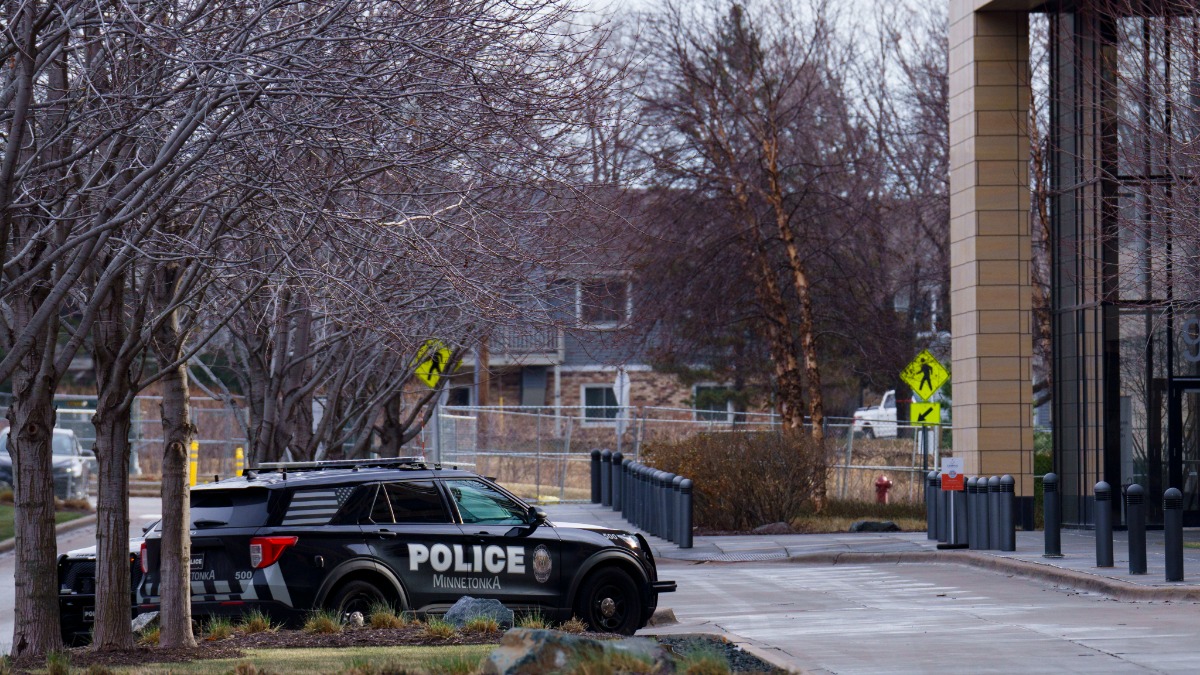
A New York judge just ruled that the jury in Luigi Mangione’s upcoming murder trial will remain anonymous, citing concerns about radicalized supporters and their healthcare grievances. According to NBC News, Justice Gregory Carro made the decision during a hearing on August 11, 2026, as the case against Mangione moves closer to trial.
Mangione has been accused of fatally shooting UnitedHealthcare CEO Brian Thompson in December 2024. Jury selection is set to begin on September 8, with the trial expected to last about six weeks. Mangione, 28, has pleaded not guilty to state charges including second-degree murder, weapons possession, and forgery. If convicted, he faces up to life in prison.
The case has drawn intense public attention, with Mangione’s supporters – many of them women – showing up to court hearings wearing green, a nod to the iconic Nintendo character Luigi. The courtroom was packed with journalists and supporters during Tuesday’s hearing, where Carro also announced plans for an overflow room to accommodate additional media and public observers.
The decision to keep the jury anonymous isn’t unprecedented in high-profile cases
However, it reflects growing concerns about potential intimidation. Prosecutors have argued that Mangione’s supporters have already attempted to interfere with witnesses and the jury process.
In an August 10 letter, prosecutor Joel Seidemann warned that spectators in an overflow room might secretly record proceedings and share them, adding to the pressure on jurors and witnesses. Seidemann also accused Mangione’s backers of trying to disrupt the trial, calling it an “extraordinary” threat to the legal process.
Carro dismissed the defense’s claims that prosecutors were trying to limit media access, calling those accusations “a reckless mischaracterization.” He emphasized that the district attorney’s office had no role in planning courtroom logistics. Still, Mangione’s legal team pushed back, arguing that restricting coverage to an overflow room would skew public perception.
Defense attorney Marc Agnifilo said outside the courthouse that he was glad the court arranged extra space. He added, “I think there should be two overflow rooms, but I’ll take one.”
The case has become a lightning rod for broader frustrations with the healthcare industry
UnitedHealthcare’s policies have specifically come under scrutiny. Supporters of Mangione have framed the killing as a justified act of resistance against a system they see as exploitative. According to The Hill, one social media user wrote after Mangione’s 2024 arrest, “I’m sorry, prior authorization is required for thoughts and prayers.”
Prosecutors, however, insist Mangione had no personal connection to Thompson or UnitedHealthcare. They allege he stalked the CEO for days before ambushing him outside the New York Hilton Midtown, then fled to Altoona, Pennsylvania, where he was arrested after a McDonald’s employee recognized him.
The trial’s jury questionnaire will be a critical tool in weeding out bias. Both sides are expected to submit drafts this week, with the final version made public after it’s administered. Former Manhattan prosecutor Rebecca Roiphe, now a criminal law professor at New York Law School, said that prosecutors will likely focus on potential jurors’ experiences with healthcare to filter out those who might sympathize with Mangione.
The defense, meanwhile, may seek jurors with a “healthcare-for-all mindset,” she said. Attorneys will also scrutinize attitudes toward law enforcement and politics, even though the case itself isn’t overtly partisan.
Mangione also faces separate federal stalking charges
The death penalty was taken off the table earlier this year. U.S. District Judge Margaret Garnett ruled in January that federal prosecutors couldn’t pursue capital punishment in the case. That decision came after the Justice Department initially sought the death penalty, adding another layer of complexity to an already contentious legal battle.
The trial’s high stakes and polarizing nature have made jury selection particularly fraught. Anonymous juries are rare but not unheard of in cases where public sentiment runs strong. In this instance, the judge’s decision reflects concerns that Mangione’s supporters – many of whom see him as a folk hero for targeting a healthcare executive – could influence the proceedings. The questionnaire will help identify jurors who can remain impartial, but the task won’t be easy.
Carro’s ruling also addressed media access, a point of contention between the defense and prosecution. Mangione’s legal team had pushed for the trial to be broadcast live, arguing that restricting coverage to an overflow room would limit transparency. Prosecutors countered that the defense was trying to “spread misinformation” and delegitimize the proceedings. The judge ultimately sided with expanded access but stopped short of allowing a live broadcast.
As the trial date approaches, the case continues to spark debate about healthcare, justice, and the limits of public sympathy. Mangione’s supporters see him as a symbol of resistance against a broken system, while prosecutors portray him as a cold-blooded killer who targeted an innocent man. The anonymous jury will now decide which narrative holds up in court.
(Featured image: Chad Davis)
Have a tip we should know? [email protected]
Follow The Mary Sue:
