


The Future Is Here With This Wearable Jacket That Also Harvests Clean Drinking Water
This futuristic jacket will keep you warm and provide you with clean drinking water.
Did you know that the atmosphere of the Earth contains six times more water than the amount of water found in every river combined?
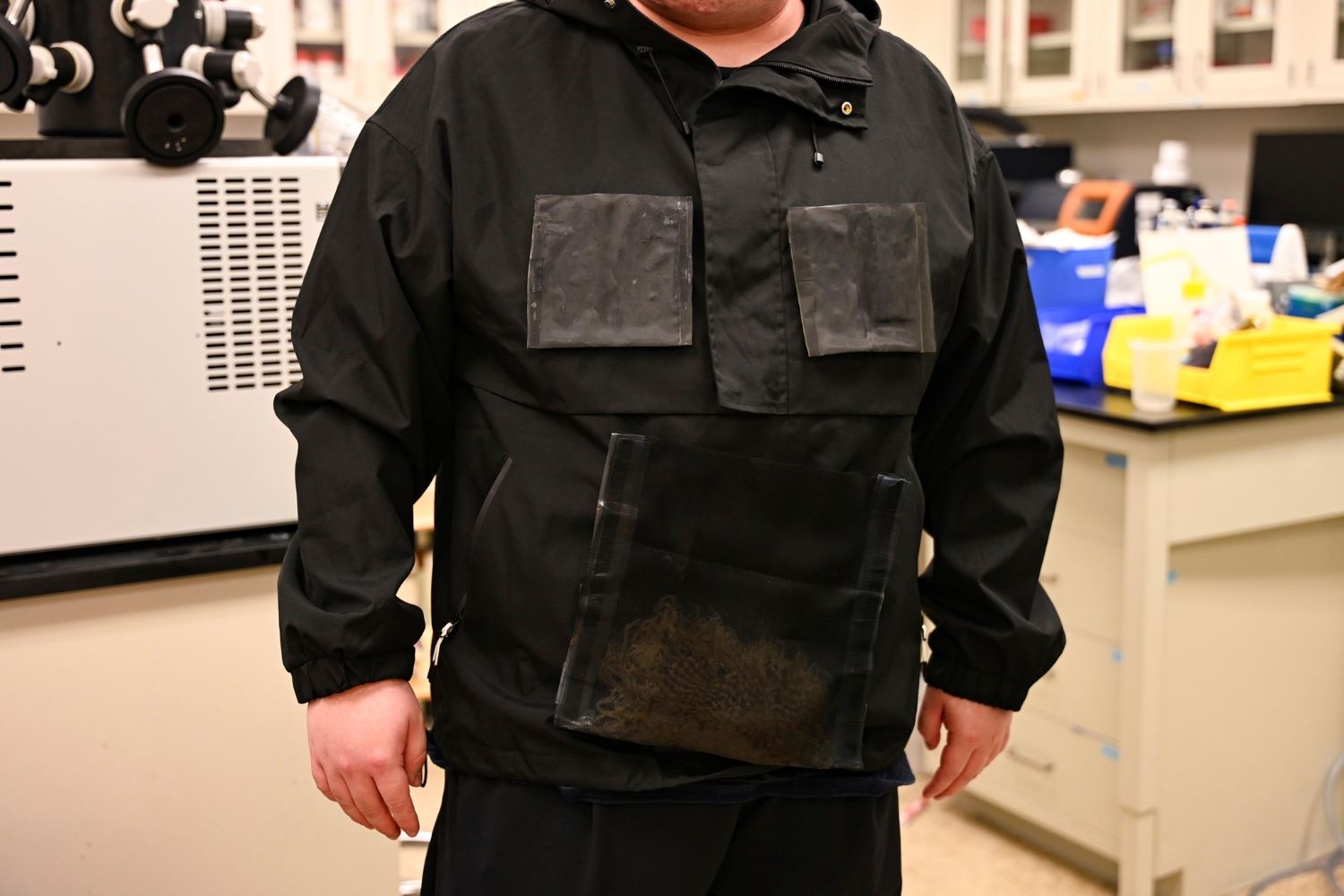
Researchers have attempted to capture that water and turn it into drinking water with some success, typically through bulky units that require considerable energy. Now, engineers at The University of Texas at Austin have developed a jacket with capture technology that can soak in vapor from the surrounding atmosphere and turn it into drinkable water.
Considering 1 in 4 people globally still do not have access to safe drinking water, this jacket could prove life-saving.
How Does the Jacket Make Water?
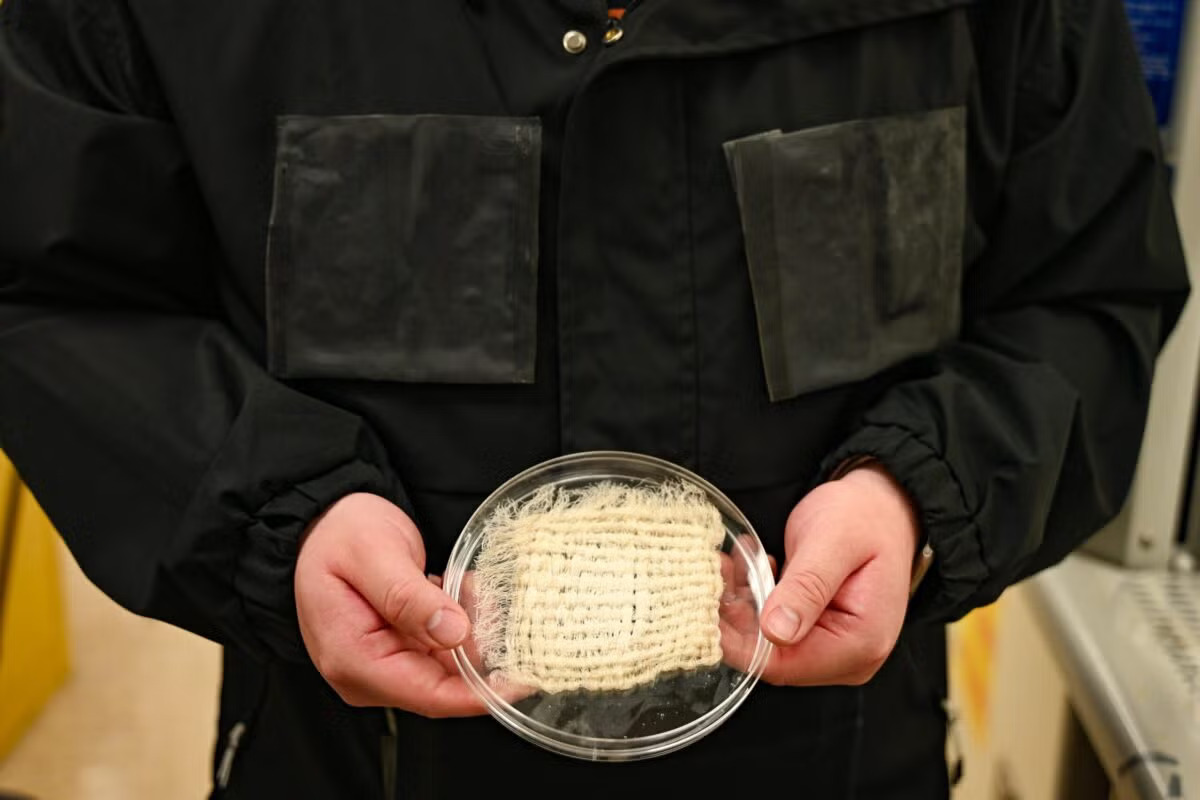
The engineers who invented the jacket — that does the same thing as those large stationary units — developed a fiber from hydroxypropyl cellulose.
The team ensured the fiber made from this plant-based material had a spongy surface full of pores of differing sizes. Those pores are the mechanism that draws vapor from the Earth’s atmosphere into the jacket, where it turns into drinkable water.
To do this, the jacket contains four panels to capture moisture. Once those have absorbed enough, the wearer removes them from the jacket and places them in a collector that warms them. This releases the droplets held in the panels, creating a clean pool of water.
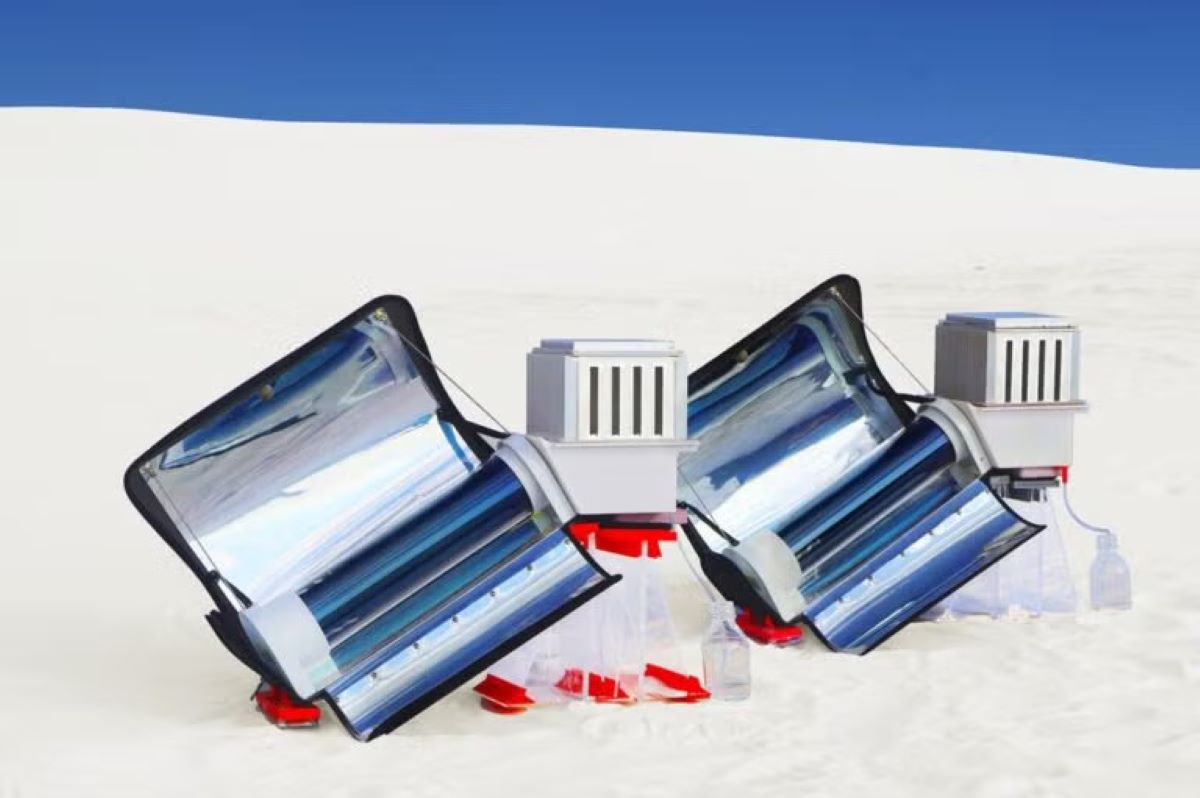
While this attempt at creating a fibrous capture technology isn’t the first, by far, it has proved the most efficient. Compared with older materials, this plant-based fiber drew in 10 times more water.
What Do the Engineers Plan to Do Next?
Although more research is needed to make this fiber viable for use in publicly available products, the team plans to use it in items such as wearables, tents, and backpacks. This way, those in disaster or emergency situations, or those living in areas lacking access to safe water, could have clean, potable water on hand when needed. To get to that point, this material will need to be tested across various scenarios to ensure the beneficial results.
For now, it’s just amazing to know that in the near future, a jacket may be able to provide a person with 14 to 30 oz of drinking water at a time that meets the World Health Organization’s standards.
(feature image: The University of Texas at Austin)
Have a tip we should know? [email protected]