


No, Supergirl Does Not Determine The DCU’s Fate

To put the entire weight on a singular franchise entry is absolutely ridiculous, though the DC Universe has faced immense pressure when attempting to revive DC Comics’ success in live-action media through James Gunn and Peter Safran’s cinematic adaptations. While the DC Universe has already planted its roots in entries such as Peacemaker or Superman, all eyes are on Supergirl as DC Studios’ first woman-led project crashes onto the silver screen.
Helmed by House of the Dragon star Milly Alcock, iSupergirl features Kara Zor-El returning to take on an adventure of her own following Supergirl’s debut in Superman. The cameo offered a tease of just how the DC Universe wanted to present Kara, and her initial appearance would be far from her last. Gunn and Safran confirmed that a solo Supergirl project would be in development back in 2023, leaving years for curious minds to anticipate a high-flying superhero movie. To even greater delight, Tom King’s Supergirl: Woman of Tomorrow was chosen to serve as the backbone of Supergirl. Supergirl: Woman of Tomorrow has been heralded as an unmissable read for any comic book fan, setting the stage for an even more exciting cinematic adaptation. For skeptics, though, it’s easy to cast doubt on Supergirl‘s potential.
The DC Universe is young yet, though the cinematic universe will still be subject to criticism at every turn. Early featured films will be used as tonal indicators for how DC Studios dares to proceed, leaving themselves vulnerable to unfair judgment while new movies attempt to apologize for unjust comic book adaptations before them.
DC Comics Movies Have Suffered and Succeeded Before
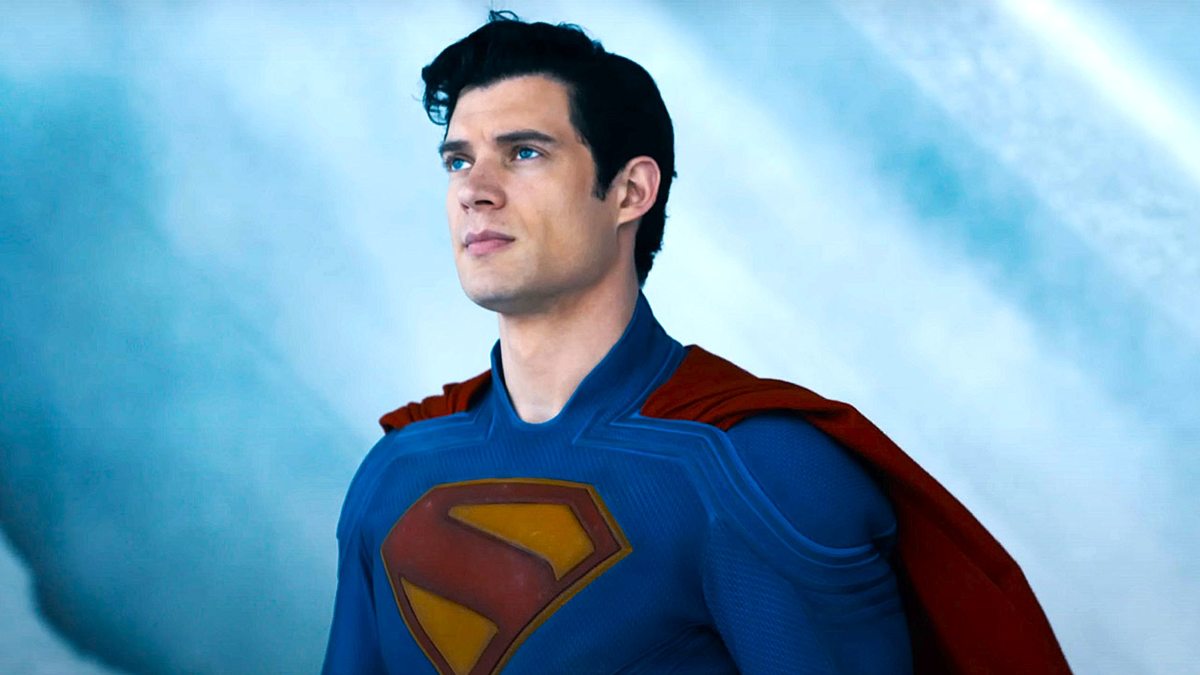
When looking at how DC Comics has fared on the big screen as a whole, it’s only fair to understand that not every superhero movie is destined for triumph of heroic proportions. Titles such as The Suicide Squad and Superman serve as a stark reminder that yes, DC Comics movies can be executed well when cared for properly. Meticulous efforts in filmmaking have ensured that new perspectives on time-old stories have been taken into account, paired with strong acting, direction, and respect for the source material. Even more forgotten movie outings, like Blue Beetle and Birds of Prey can be celebrated by their continuous efforts to push other DC Comics heroes, villains, and the in-betweeners into the spotlight. Both Wonder Woman and Birds of Prey proved that women-led superhero movies are worth investing in. Marvel Studios has also taken measures to focus on female heroes, sharing their stories with the masses. DC’s efforts, though, often become more forgotten.
When stepping back from live-action adaptation, DC Comics’ comics-to-screen adaptations thrive in animated form. Not every animated movie (such as The Killing Joke) has been greatly adored, though animation has proven itself to be the most viable means of bringing the comics of the pages to life in a meaningful manner. Animated retellings such as Superman: Red Son or Justice League: The Flashpoint Paradox insist that yes, DC Comics has the effortless ability to be translated into other forms of entertainment media.
It’s the live-action aspect that caused the former DC Extended Universe to struggle and cast doubt upon the quality of the budding DC Universe. The DC Extended Universe was guilty of haphazard execution and careless filmmaking, degrading itself in quality with movie after movie, as most attempts to outpace the Marvel Cinematic Universe suffered unfathomably. From questionable CGI renderings of Christopher Reeve in The Flash to Zack Snyder’s self-indulgent slow-motion slop, The DC Extended Universe was a victim of its own self-distruction. The inability to pinpoint consistency in creativity and core storytelling cost the superhero movie studio its reputation.
Supergirl Will Not Define The DC Universe

It’s beyond ridiculous and unreasonable to rely on Supergirl as the litmus test for the entire franchise’s quality. One singular movie does not stand as the definitive entry, or singular propriety, of a series. To look at Supergirl as the core of the DC Universe is a close-minded stance to take, considering the untapped potential that the rest of the unexplored DC Universe still holds. It may be easy to cast judgment upon Supergirl, and while criticism may be rightfully deserved, it’s unrealistic to denounce an entire movie over personal displeasure.
Superhero fatigue is an incredibly real and ongoing phenomenon that’s become exhausting. There’s no denying that the superhero genre is stretching itself thin across certain media while wearing out its creativity, though Supergirl may not be the tipping point for superheroes on the big screen as a whole. This rapidly growing oversaturation of comic book media dominating the entertainment industry feels tiresome due to the overwhelming amount of poorly translated page-to-screen adaptations. For some, though, it’s easy to overlook how Supergirl: Woman of Tomorrow is adapted and only focus on the idea of a woman leading a superhero movie.
Just because Supergirl centers on Supergirl herself, that does not mean that the entirety of the DC Universe has depleted in value. Gender bias does not directly correlate to the overall quality of any piece of pop culture. Sexism is an invalid form of criticism, and its shallowness discredits the efforts made to remind DC Comics fans just how important Kara is. The DC Universe is more than just Superman or Batman; its importance and relevance do not belong to one character.
Supergirl lands in theaters on June 26.
Have a tip we should know? [email protected]
Follow The Mary Sue:
