


Aldi Blind Boxes Question the Need for Mystery Merch
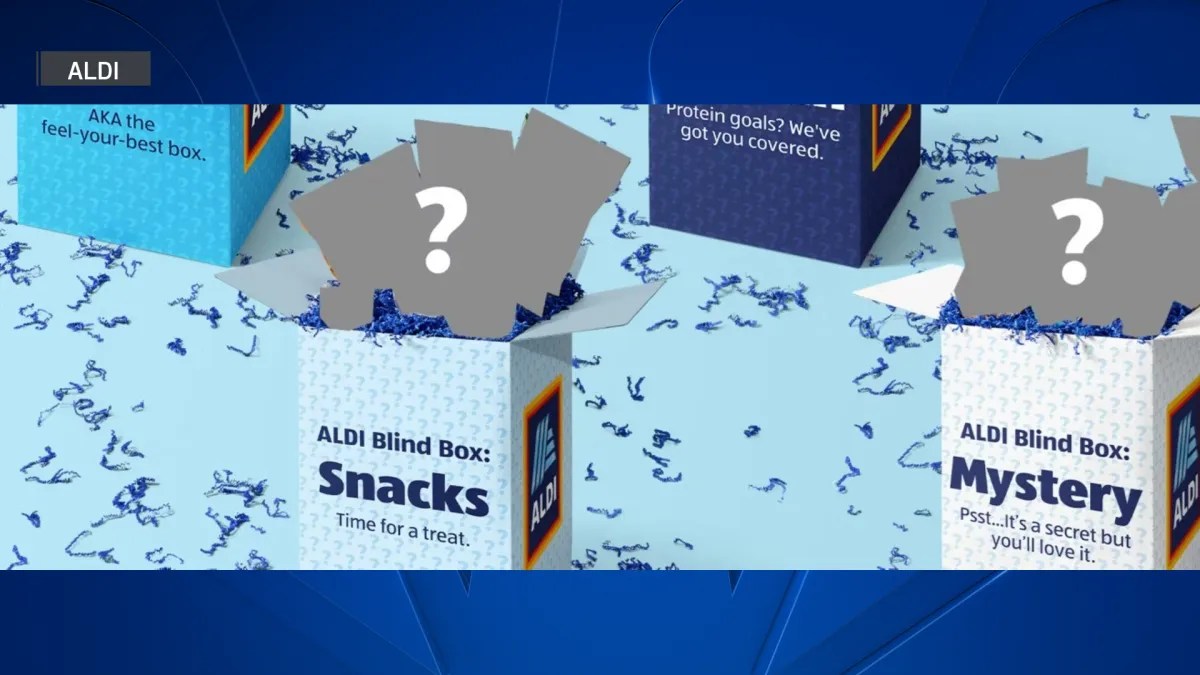
Pack it up, the gimmick’s over. Aldi is now set to launch their own version of the blind box.
NewsNation first broke the news that the affordable grocery store chain would be introducing a limited-time promotion in the form of a blind box, featuring home delivery services to lucky winners ready to gamble (for free) on unknown edible goods. According to the press release, “The discount grocer announced the launch of a limited-time blind box. The promotion taps into the surging popularity of surprise unboxing culture, which became a global phenomenon thanks to collectibles sold by companies like Labubu parent Pop Mart.”
For curious customers eager to learn more about the blind box series, NewsNation added that “A different-themed Aldi box will drop online each day from June 22 to June 25 at noon ET. They’re available on a first-come, first-served basis while supplies last. The boxes are filled with groceries. There’s a snack box, a box filled with fiber grocery products, a box with protein products, and a ‘mystery box.'”
Aldi shoppers can attempt to score boxes from June 22 to June 25 using the grocer’s designated website, though for hungry fans of the franchise who don’t win the lottery, they’re still able to purchase included goods at their local stores. Isn’t that besides the point, though?
Grocery-Themed Blind Boxes Feel Out of Touch
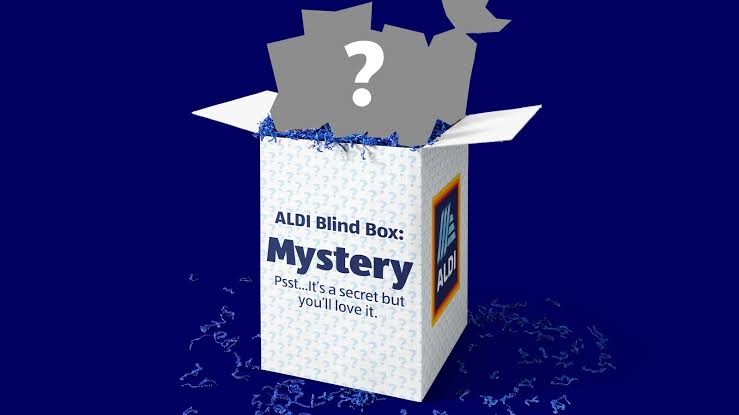
Aldi may be the first grocery store to introduce food-based blind boxes, yet the ongoing trend of opening these mystery prizes is already starting to date itself. Despite the demand for risk-reward style merchandise redemption, which can easily be categorized as a type of gambling, the major corporatization of blind boxes promoting human needs is incredibly questionable. There’s also the lean into current buzzwords and trending terms that influence how people are consuming regularly: fiber and protein. There’s such an insatiable demand for high fiber and protein content on an overwhelming level, pushing major retailers such as Starbucks, Subway, Chipotle, and Dunkin’ Donuts. The idea of becoming health-conscious has now felt incredibly artificial, now that significant brands are shilling protein in a performative manner.
The criticism of Aldi tapping into the blind box trend cannot be done without the acknowledgment that the grocery store has made diverse food options more accessible and affordable. The blind boxes being delivered for free to those who win them is earnest in nature, yet this is still a marketing promotion once the short-lived lottery ends. Aldi will still want to draw potential customers (or current ones) back into their store to purchase whatever these boxes may hold, due to the power of scarcity marketing. It’s an ingenious tactic from Aldi, actually. Their blind boxes generate word-of-mouth marketing, online buzz, and consumer engagement. Without being asked to spend a dime (or a quarter, the rental cost of an Aldi shopping cart), there’s virtually no loss for those who aren’t deemed winners.
Grocery costs in the United States are painfully high, forcing Americans to sacrifice too much of their earnings for something that’s been unjustly upcharged. People aren’t necessarily asking for blind boxes to determine what they’ll eat that week — they’re simply suggesting that other retailers follow Aldi’s lead in introducing more wallet-forgiving price points on everyday human needs. Aldi’s introduction of blind boxes emphasizes a terrifying truth: instantaneous gain based on personal wants will always trump the needs of the greater good, regardless of the cost.
Have Blind Boxes Gone Too Far?
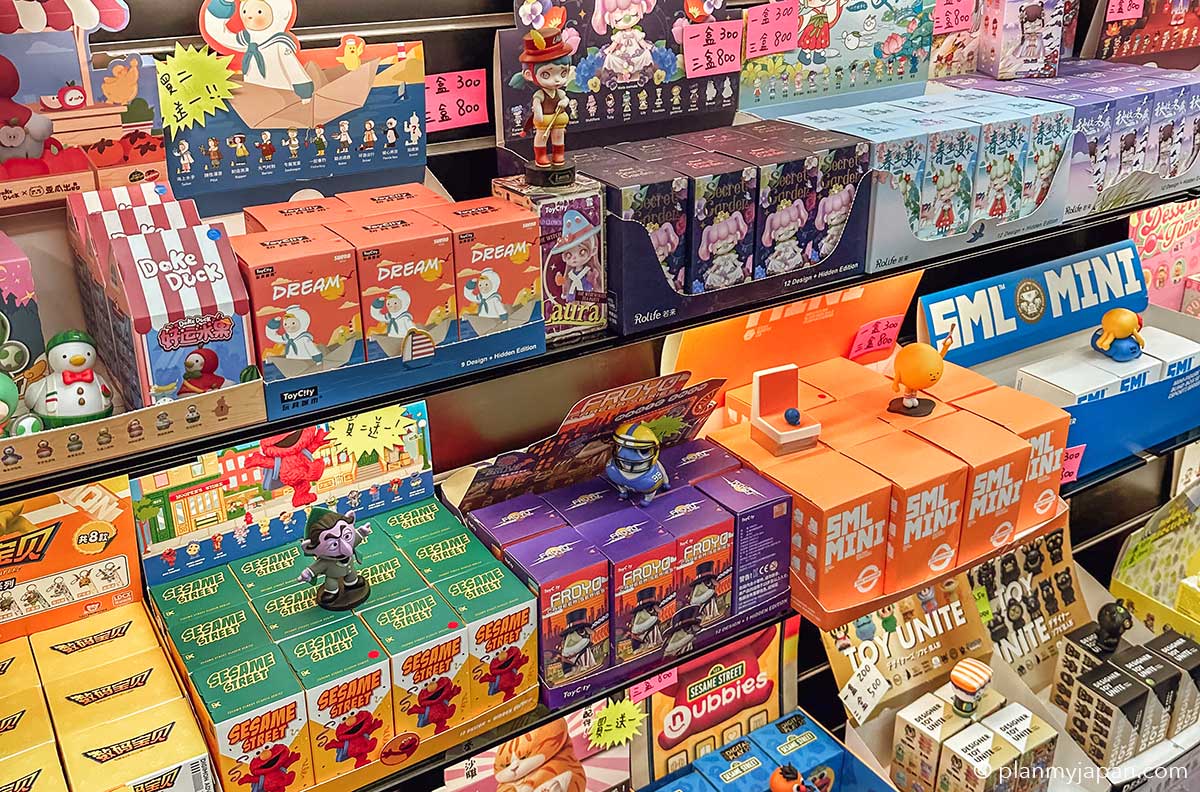
In direct contrast to pulling Pokémon cards fresh from foil wraps or excitedly tearing through the packaging of a Sonny Angel figure box, it’s arguable that the Aldi blind box may be a significant tipping point for the trend as a whole. The idea of “pulling” groceries calls the entire concept into attention, putting the reality of how predatory these products may be. Of course, all purchases are made intentionally, though there’s the greater belief that more engaged blind boxes, such as Sanrio toys or Smiskis, have more appeal. Opening blind boxes has become a social hobby for casual fans and collectors alike, though it’s completely fair to question the extent of how far corporations will push these gambled-upon prizes before they’re deemed distasteful.
It’s entirely possible that Aldi opting to be the first grocer to introduce the blind box concept will generate a stronger reaction around blind box culture, or it could be treated as nothing more than a fleeting trend, waiting to phase out before the next gachapon-inspired cash grab captures the attention of today’s society. It’s alarming, though, that the Aldi blind box could introduce an entirely new way for the capitalization of these surprise-driven marketing angles to thrive. Aldi blind boxes aren’t entirely egregious, but instead, serve as an unignorable warning sign that reveals just how big brands may take advantage of their consumer base’s trustworthiness (and their pocket change).
Aldi blind boxes will be avaliable from June 22 to June 25.
Have a tip we should know? [email protected]
Follow The Mary Sue:
