


Nightclub manager kicks wheelchair user out for being a ‘safety risk’ then changes the story when she cites the law
The club is open, but not for everyone.
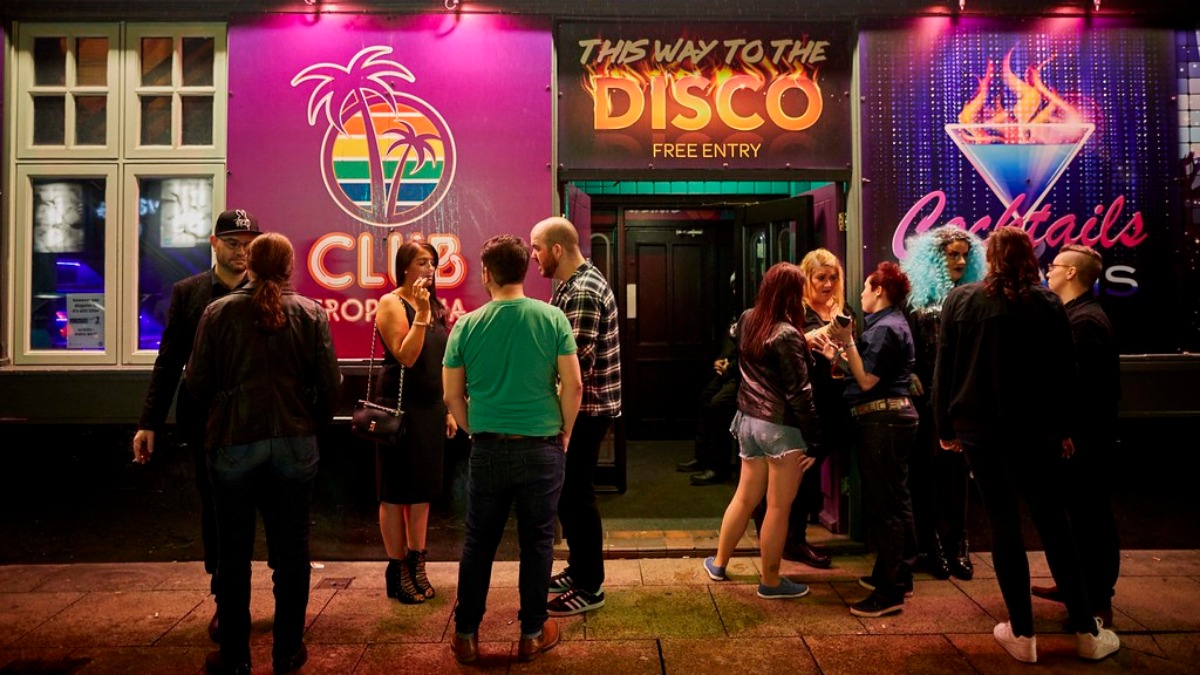
A nightclub manager at Club Tropicana in Manchester has been fired after kicking out an 18-year-old wheelchair user, Maddie Haining, for being a “safety risk” before changing the story when she cited the Equality Act. The incident, which went viral after Maddie shared her experience on Instagram, has sparked outrage and renewed conversations about accessibility in nightlife.
According to LADBible, Maddie was on a night out in Manchester’s Gay Village on April 11, 2026, when she was asked to leave Club Tropicana within five minutes of arriving. Security staff initially helped lift her wheelchair into the venue and told her there wasn’t an issue with her being there. But shortly after, they returned to say they were “really sorry” but had been instructed to ask her to leave. Maddie described the ordeal as “embarrassing and infuriating.”
When Maddie asked how she was a safety risk, the manager reportedly wouldn’t give a clear answer. “If I was a safety risk, they wouldn’t have let me in in the first place,” she said. The explanation then shifted to her being a “fire risk.” Maddie pulled out the Equality Act, explaining that the situation was discrimination, but she said the manager “wasn’t acknowledging anything.” Frustrated, she asked for names and details to file a complaint before leaving.
The whole experience left Maddie feeling extremely humiliated
“I was in a bar with my friends and kept getting security sent over,” she said. “It was infuriating as I showed them the law and they had not taken any of it on board.” After the incident, Maddie posted about it on Instagram, writing, “It’s not okay to be removed from bars because you are disabled and different to other people. If they can be in there then why shouldn’t we.”
Club Tropicana launched an internal investigation after being made aware of Maddie’s post on April 13. They received a formal complaint from her on April 14 and issued an unreserved apology while promising to share the outcome of their investigation.
In a statement, the venue’s owners said they had reviewed CCTV footage and statements from everyone involved. They confirmed that Club Tropicana is on the first floor of an old building with no disabled access, and they had never been told by authorities that the building violated the Equality Act.
According to security staff, Maddie was informed that the venue didn’t have disabled access to the first floor. However, her friend carried her upstairs on their back, and two others carried her wheelchair. The manager on duty noticed her in the bar and became concerned about her safety and the safety of others in case of an emergency evacuation.
The owners admitted that Maddie’s treatment was “completely indefensible, unacceptable and appalling” and took full responsibility. They also confirmed that the employee involved is no longer working at the venue.
Maddie shared an update after receiving the investigation’s outcome. “And I’ve had another email now saying after this investigation, where they said ‘The employee you referred to in your complaint is no longer in our employ’ the manager has been fired!!! WOOO,” she wrote. “And they have said they will be reviewing and updating all their training protocols and other accessibility options are also under review! Changes are happening!!”
The incident has drawn attention to the broader issue of accessibility in nightlife
Disability rights campaigners are calling it a symptom of a much larger problem. Cherylee Houston, a Coronation Street star who has played Izzy Armstrong since 2010 and uses a wheelchair herself, said Maddie’s experience was “shocking and outrageous” but not uncommon. “It’s daily, and I think people don’t realise because it’s not often spoken about unless it’s an extreme case,” she told BBC Radio Manchester.
Houston, who was diagnosed with Ehlers-Danlos syndrome, said many disabled people face similar discrimination when trying to access bars, shops, and restaurants. “Many of us just silently don’t come back to a business after an experience like that,” she said.
She added that some venues still don’t have the right policies in place, and many disabled people have to plan ahead to ensure they can even enter a space. “We’re 20% of the population. It’s ridiculous, we’re just human beings the same as everybody else,” she said.
Manchester City Council’s licensing committee confirmed it had received a complaint from Maddie and is investigating the incident. Under the 2010 Equality Act, venues are legally required to make reasonable adjustments for disabled people, such as installing ramps or other accessibility measures. However, many older buildings in Manchester’s Gay Village struggle with this due to structural limitations.
John Hamilton, who runs Bar Pop and The Church in the Gay Village and chairs the Manchester Pub and Club Network, acknowledged that accessibility is a major issue in the city. “The issues with Manchester is there is a lot of the new and old bars that aren’t disabled accessible when it comes to wheelchairs. It’s steps, you can’t put lifts in, you can’t do this, you can’t do that,” he said.
Bar Pop had a disabled lift installed, but it took seven minutes to transport someone from the front door to the main floor. Insurers refused to cover the venue if the lift was in use during an emergency, fearing it would block exits. Eventually, the bar installed ramps at a lower entrance at the back, along with staff training to assist those who need access.
Hamilton called what happened to Maddie “unfortunate” and said staff at venues sometimes don’t receive adequate training. “All bars should be open to everybody,” he said.
(Featured image: Mark Waugh and CartridgeSave)
Have a tip we should know? [email protected]
Follow The Mary Sue:
