Even Nintendo is starting to devalue physical media and I hate it here
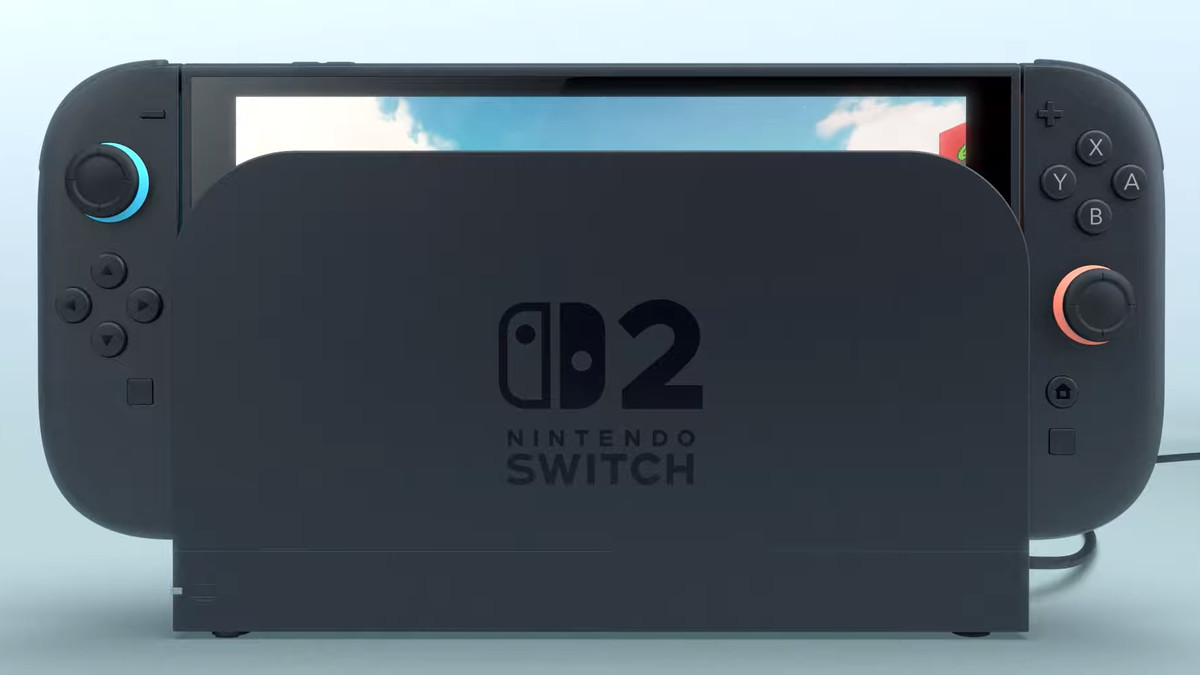
After years of endless speculation, we finally know when we’ll be able to get our hands on the Nintendo Switch 2, as well as the specs that will supposedly make it worth the relatively steep $450 price tag—especially in comparison to its predecessor. While much of the news is exciting (two charging ports, thank you, Nintendo!) one new development stood out to me: the functionality of the Switch 2’s game cards.
Now, I don’t want to mislead anyone by claiming that I’m a hardcore gamer. Pokémon is my first and most consistent love, hence my longstanding relationship with Nintendo’s handheld consoles. Additionally, the pandemic gave me the chance to explore other third-person narrative games, too, and as a result, I now own a PlayStation 5, along with a handful of titles. In short, I’m excited for the Nintendo Switch 2, but not enough to fight for a pre-order. (Also, I want more color options. Why is all new tech so dull to look at?)
While I do not consider myself an expert gamer, I do consider myself a genuine collector of physical media, including books, DVDs, Blu-rays, vinyl, and, yes, games too. My PS5 has a disc drive, and every game I own on the Switch—I promise I don’t just play Pokémon—are all physical copies, too. I recognize the ease of access that digital media provides, of course, and I have subscriptions to most major streaming services and use an e-reader, but physical media has real value too, no matter how much our technocratic overlords would like us to believe otherwise.
That’s why I was disappointed when Nintendo revealed that game cards for some next-gen games won’t be regular, run-of-the-mill game cards but “Game-Key Cards.” These games, clearly marked as such on the packaging and seemingly a replacement for purchasing a box that only contains a download code, will contain a “key” that allows you to download the game to your console via the internet rather than housing the game’s entire data. Thankfully, this won’t affect all Nintendo games; the next Mario Kart, for instance, will be available on a game card in the traditional sense, so consumers will at least still have a choice. And yes, I’m aware that my PS5 discs function similarly. That doesn’t mean I have to like it, however.
I can logically comprehend that some games require so much storage that it becomes difficult to produce a viable game card for them without forcing exorbitant costs onto the consumer. I can understand that most games require downloaded updates and thus a connection to the internet at some point. I can also lament the slow death of physical media as we know it and the role an influential company like Nintendo is now playing in it.
It’s not just about the tactile nature of physical media, the effort of collecting and carefully curating your collection. The smell of a new book, the crisp quality of a Blu-ray, the soulful sounds of a vinyl record, and the joy of inserting a new game card into your console are all part of the experience, it’s true. But physical media is also about community, something that the powers that be would seemingly like to fracture beyond repair. If we physically own something, it cannot be taken away from us by force. If I want to lend a paperback to someone outside my immediate household—Nintendo’s new online game “sharing” system is restricted to household accounts, much like Netflix’s subscriptions—who’s going to stop me? Sharing stories, experiences, and art is how we learn from one another. Slowly but surely, massive organizations are taking that ability away from us.
These game key cards may seem like an innocuous solution, but they represent another step toward pushing physical media out altogether. For now, Nintendo has confirmed that game-key cards can be used on more than one device, but how long will that “perk” last? I have a hard time believing they’ll still allow for that a few years from now. Nothing prevents them from tying these key card downloads to your online account one day.
If major digital media platforms like Netflix, Amazon, and more can remove content from their platforms at will, even that which we’ve supposedly “bought” (though really, they’re just long-term licenses, and there should be much more definitive language to define what you’re actually “buying” on a platform like Prime Video, for instance) what’s to stop game publishers from doing the same?
Physical media protects us from the whims of greedy businessmen, but only if it remains a viable option. The less genuine value a physical product holds, the more annoying it becomes to use it (games downloaded via a Nintendo key card must be inserted into the device to play the game, so even the ease of accessing a downloaded game at all times is absent), the easier it is to convince us to wholeheartedly embrace the restrictions of digital media once and for all.
(Featured image: Nintendo)
Have a tip we should know? [email protected]
Follow The Mary Sue: