


10 most influential Black horror movies
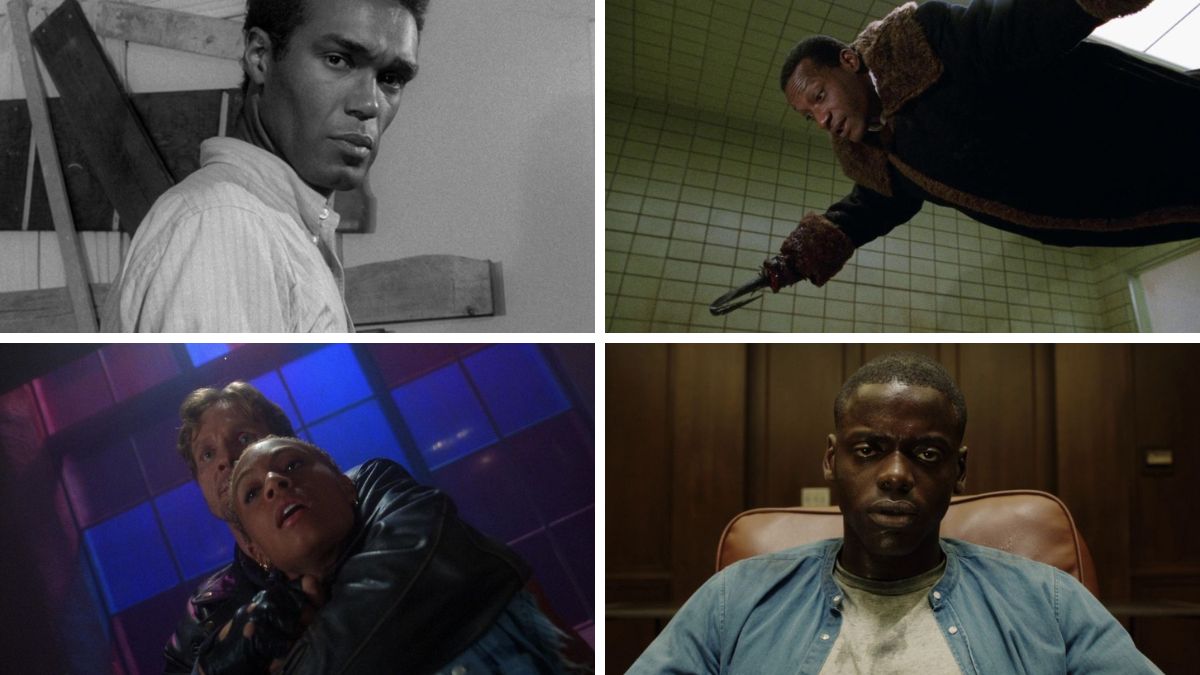
It’s February, and you know what that means? It’s Black History Month. Of course, every month qualifies because there’s always so much more to learn. This is especially relevant for Black horror history and all the films within the Black horror canon.
Black horror is a subgenre that focuses on Black characters and often taps into social issues pertaining to Black folks. Plenty of influential Black horror films have more than earned their flowers, so that’s why I wrote this list! Here are some influential Black horror films to watch during any time of the year.
Night of the Living Dead (1968)
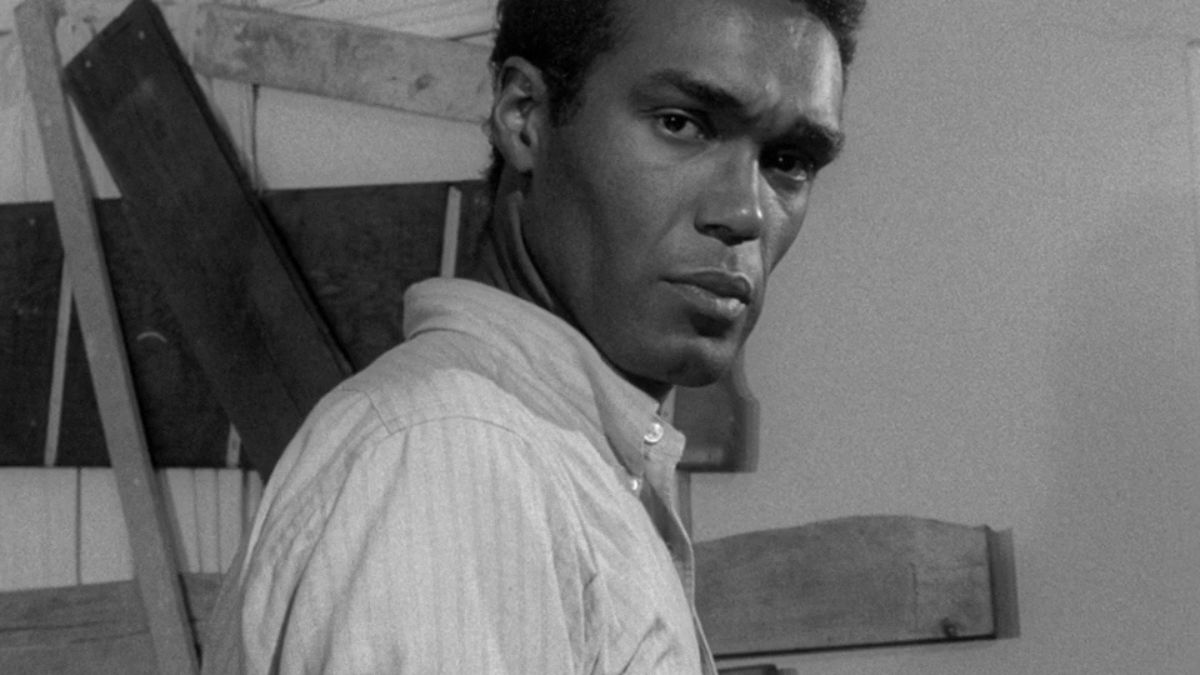
George A. Romero’s classic is essential viewing for horror fans. Night of the Living Dead follows a group trapped in rural Pennsylvania due to a zombie outbreak.
When it was released, the film did something unheard of by making its main character a Black man. The commentary of Night of the Living Dead very much highlights the fear of the other, more specifically, Black folks. Despite Ben (Duane Jones) being heroic and protecting a group of white people in the ’60s, he meets a disturbingly real end. It’s an important film in Black horror history and should always be cited as such.
Blacula (1972)
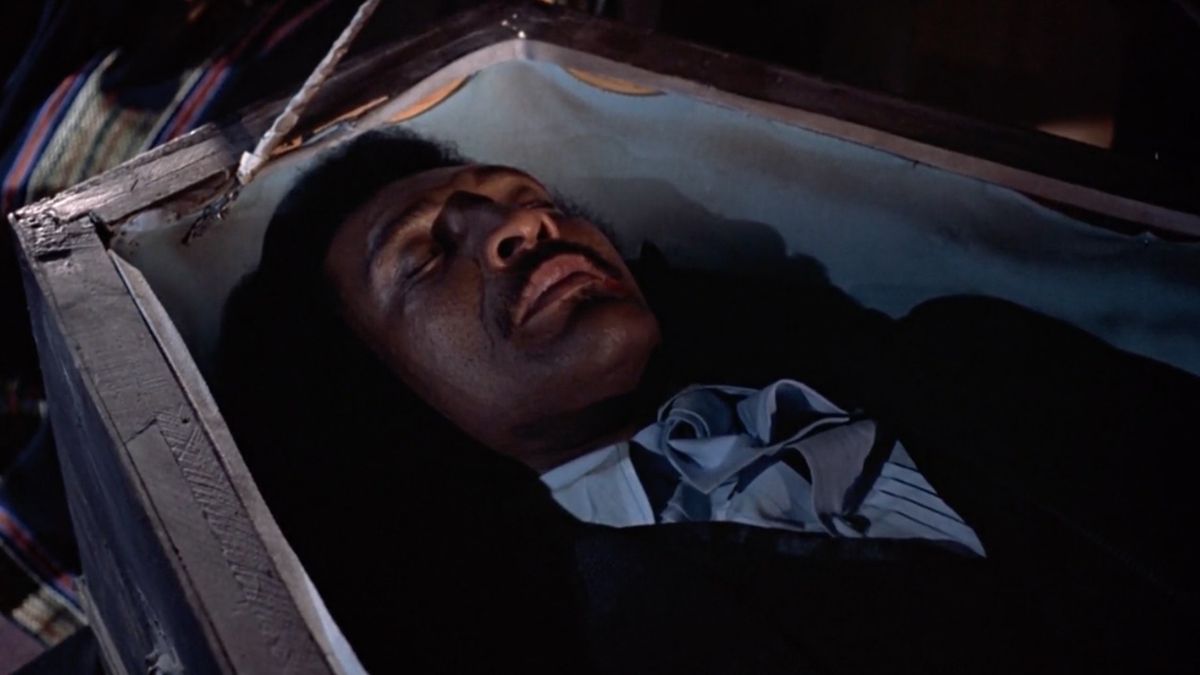
The title might be silly, but Blacula is certainly a film to discuss regarding Black horror. Blacula follows the re-emergence of an African prince named Mamuwalde (William Marshall), who was turned by Dracula in the 18th century and lost the love of his life.
Blacula does have problematic elements (for instance: outright homophobia) that haven’t aged well, but it’s still a film worth looking back on. The film touches base on slavery and how deeply embedded racism is within society. At the end of the day, Blacula inspired folks to make more blaxploitation horror films, and that remains undeniably important.
Ganja & Hess (1973)
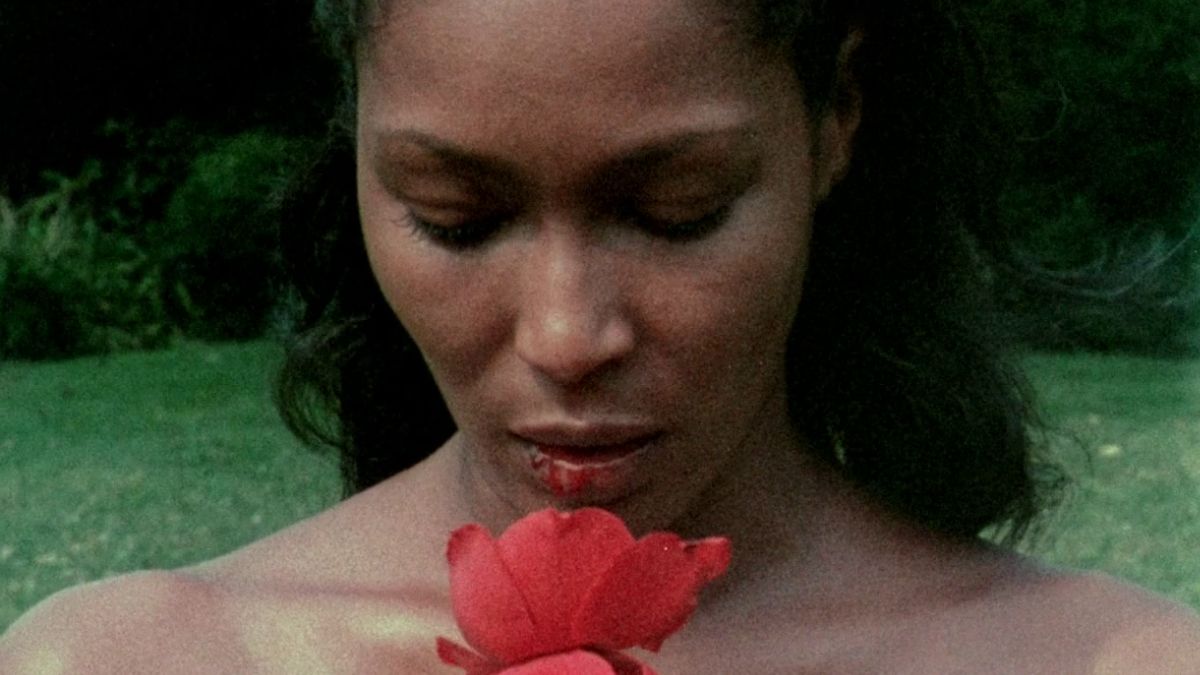
Stunning and gorgeous are two words to describe Ganja & Hess. The film follows a doctor-turned-vampire who falls in love with his assistant’s widow.
Ganja & Hess isn’t only an aesthetically pleasing horror film, it’s also an exploration of themes surrounding religion, raw desire, addiction, and what it means to give in to your deepest wants. There’s something so dreamlike about the film that lends to the experience, and its influence can be felt in the Black supernatural horror films that came afterward.
Sugar Hill (1974)
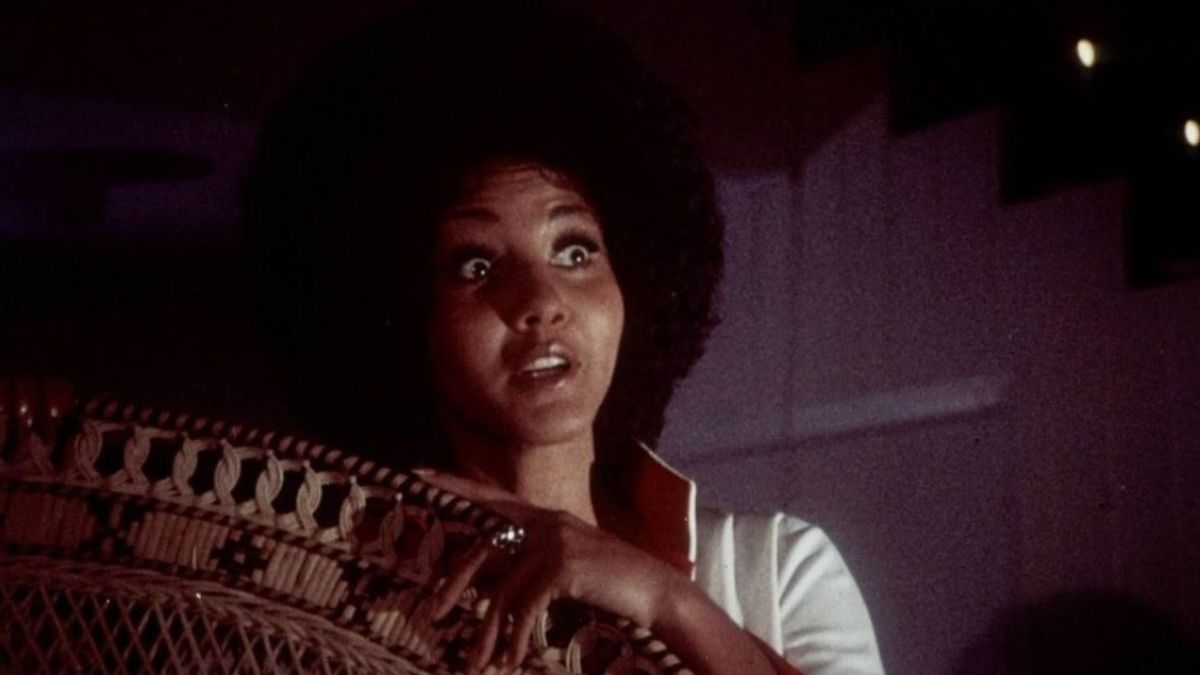
She’s nicknamed “Sugar” and revenge is quite sweet. Sugar Hill follows a woman whose boyfriend is murdered and goes on a revenge quest with summoned zombies against the mob.
If you ever want to dive into blaxploitation horror, Sugar Hill is a must-watch. The film tackles how the legal system isn’t typically favorable towards Black folks who suffer injustice, and in Sugar Hill, Sugar (Marki Bey) takes matters into her own hands as a result. It’s an incredibly satisfying watch because she’s unapologetic in her mission to avenge her deceased lover. Plus, who doesn’t want to see a stylish Black woman be powerful?
The People Under the Stairs (1991)
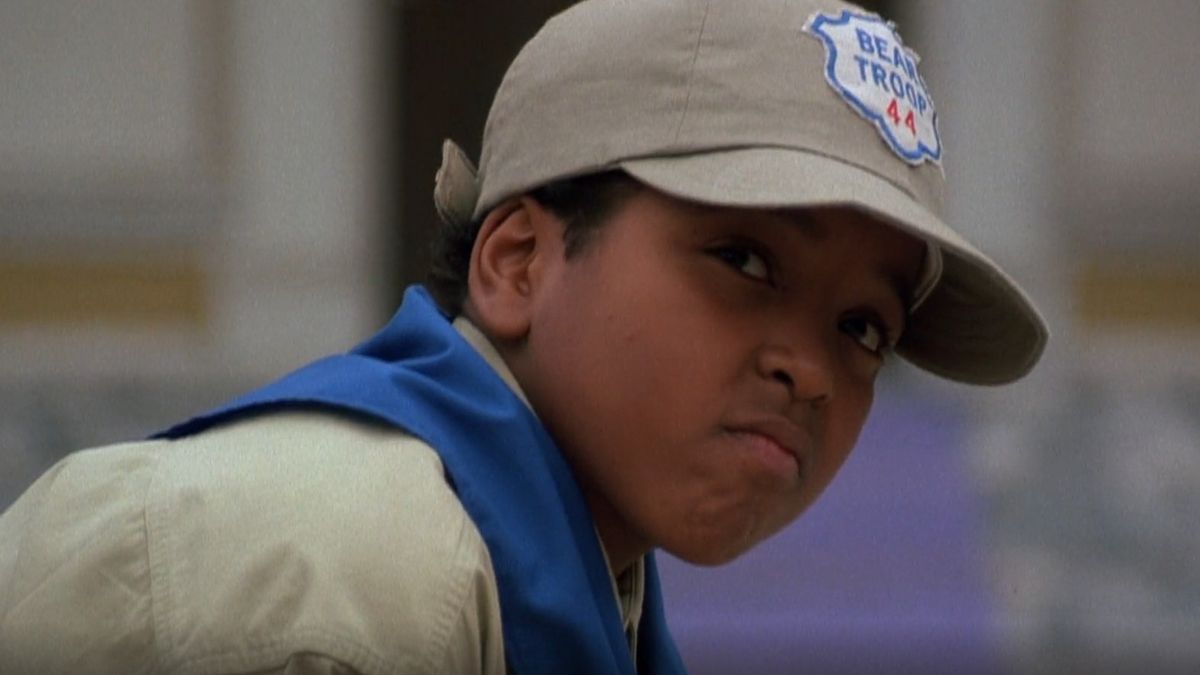
Comedy horror films aren’t always about the guffaws. The People Under the Stairs follows a young Black boy nicknamed “Fool” who finds himself in a sticky situation when he tries to rob his racist landlords.
The People Under the Stairs is an underrated horror film from Wes Craven and its themes are quite timely. Having a Black boy be your protagonist is clap-worthy, and having him expose capitalist landlords who are outright racist is worthy of several hurrahs. It’s safe to say that the film inspired more than a few horror films that allow Black kids to be the heroes (The Boy Behind the Door is an example).
Candyman (1992)
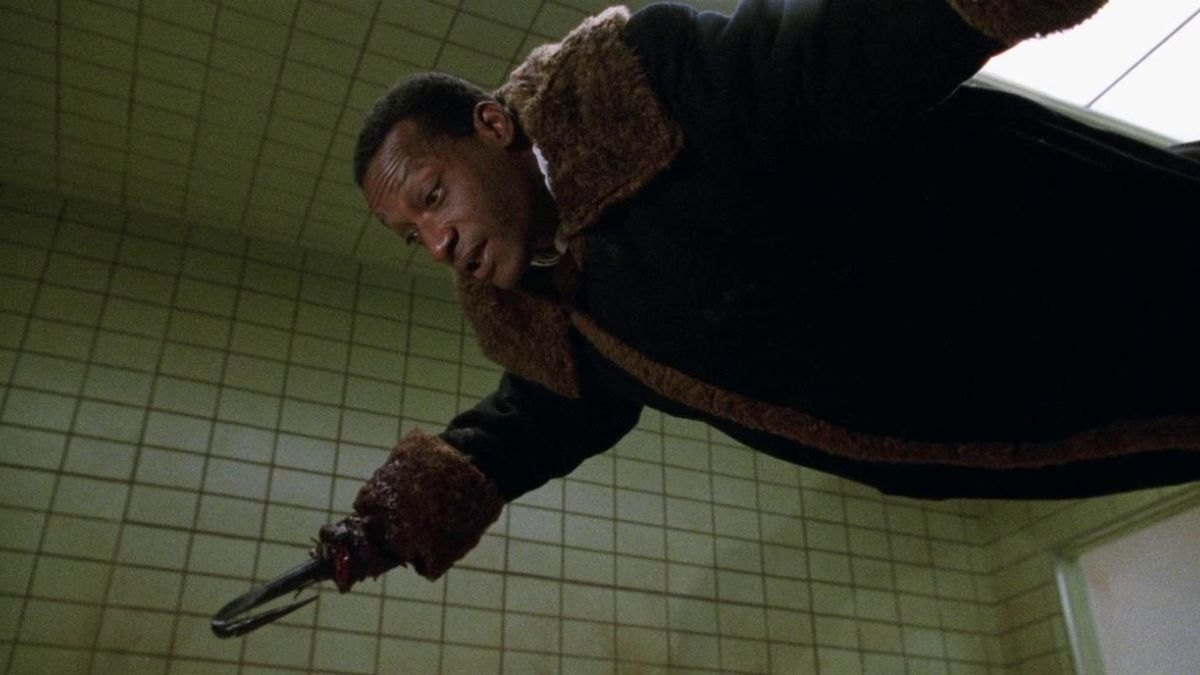
R.I.P. to Tony Todd, you’ll always be an icon. Candyman follows a woman named Helen (Virginia Madsen) who becomes tangled up in the legend of Candyman (Tony Todd).
Candyman is a film based on a short story of the same name written by Clive Barker. It is without question one of the best horror films of all time. The film unapologetically taps into themes surrounding class, race, and privilege. Tony Todd’s performance as Candyman is iconic, and he’s just as much of a figure as other horror villains. Candyman deserves every ounce of recognition for its impact on Black horror and the depiction of a sympathetic villain figure.
Tales from the Hood (1995)
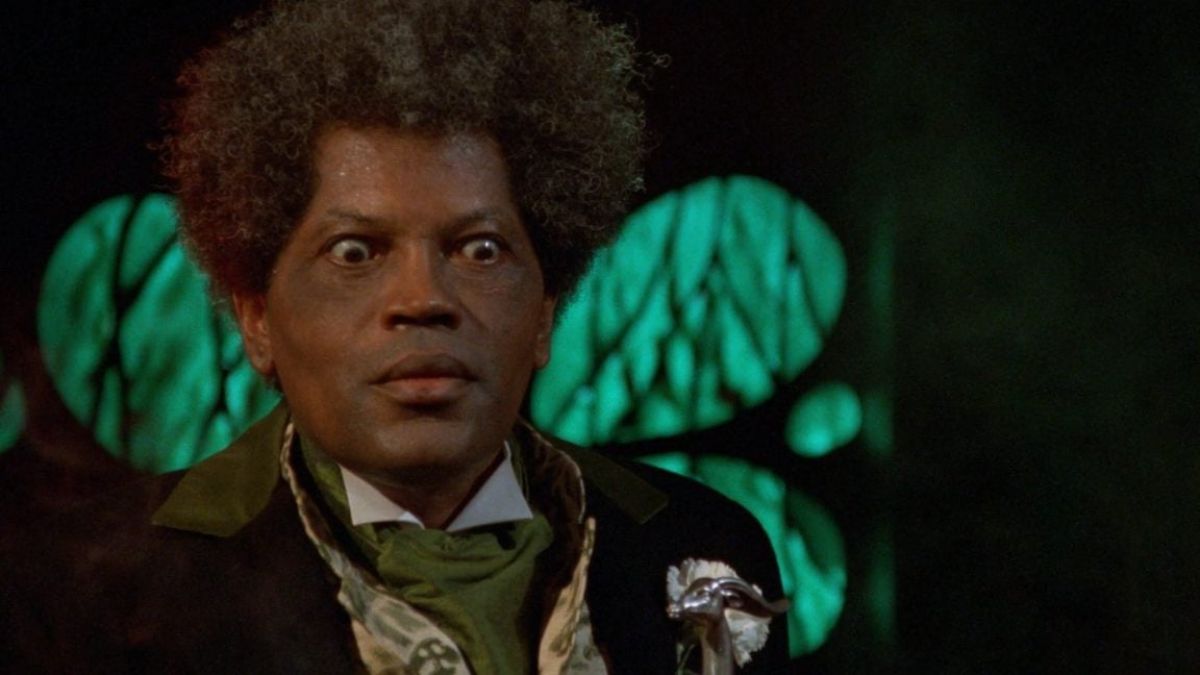
Tales from the Hood is top-tier as far as horror anthology films go. Tales from the Hood follows different stories that focus on issues in Black American communities.
Tales from the Hood is a cult horror film and has relevancy today because the issues highlighted in the film are just as present in modern day. The film taps into police brutality, domestic violence against Black women, and more. The stories are told so intricately, with tinges of humor in the horrors on display. It’s one of the best horror anthology films of all time and influenced the format for years following its release.
Tales from the Crypt: Demon Knight
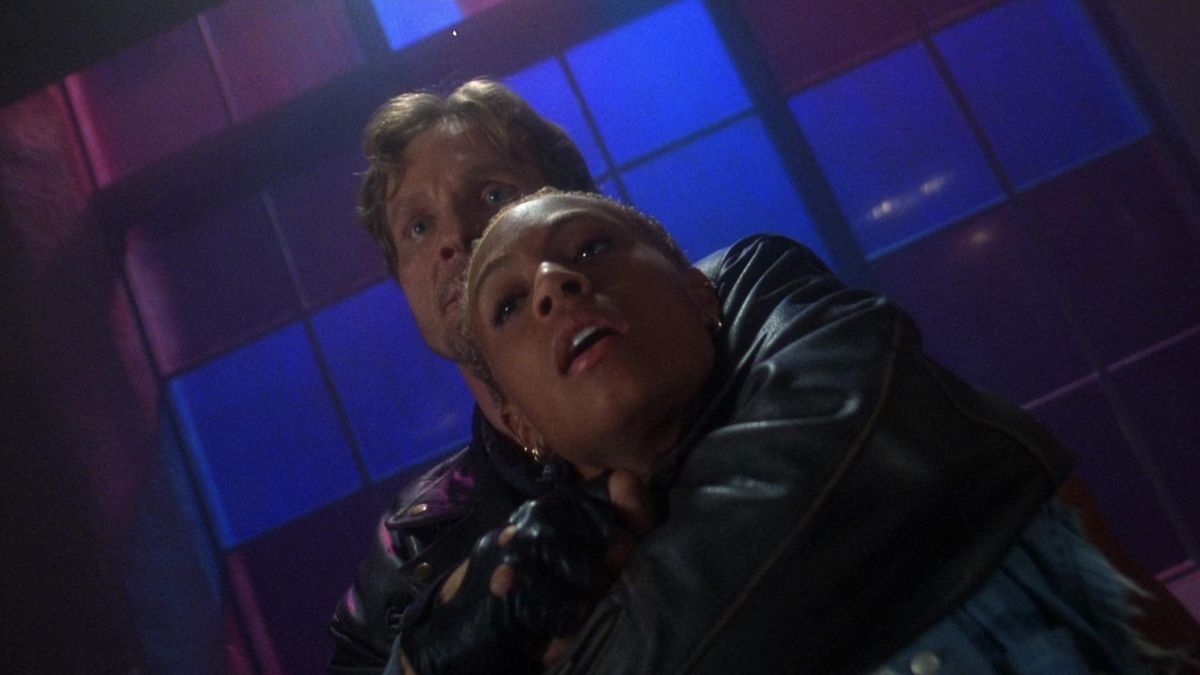
Iconic, period. Tales from the Crypt: Demon Knight follows a group of people forced to protect an ancient key from a demon who wishes to bring on the apocalypse.
Tales from the Crypt: Demon Knight isn’t only grossly underrated. It also introduced Jeryline (Jada Pinkett Smith), one of the only Black final girls in horror history. The film is funny, has phenomenal practical effects, and lets a Black woman be a badass when it’s her time to shine. Jeryline’s status as a final girl undoubtedly inspired other films to have Black final girls. That alone is worth highlighting when discussing this film.
Blade (1998)
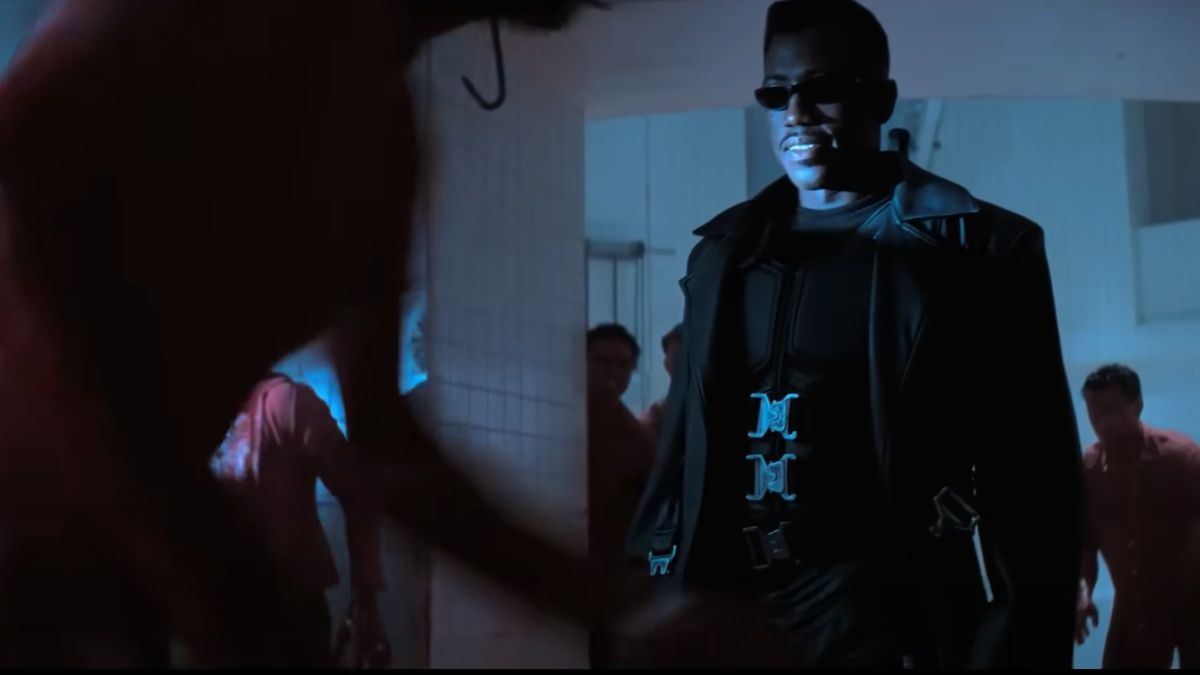
Blade is one of Marvel’s best films to date. Blade follows a Dhampir named Blade (Wesley Snipes) who is forced to go up against power-hungry vampires.
Blade arguably kickstarted Marvel’s film success and is one of the darker entries in their canon. The story is based on the Marvel character of the same name, and Blade is one of the most iconic Black vampires in general. Blade set the stage for other badass Black characters, especially for vampire horror films. And that earns more than a few cups of blood (sorry, I had to).
Get Out (2017)
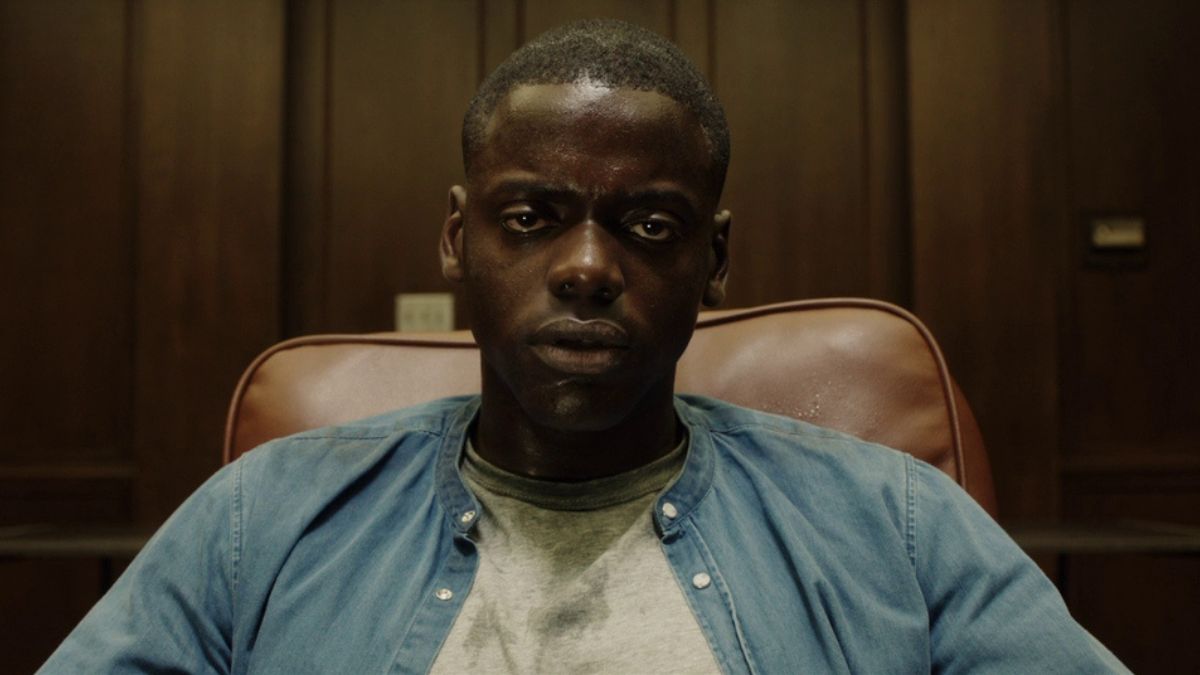
Throw your confetti for Jordan Peele! Get Out follows Chris (Daniel Kaluuya), a Black man who goes to meet his white girlfriend’s family, not knowing something sinister is at play.
Get Out explores how white liberals can be just as insidious as conservatives and is a modern example of Black horror that makes a lasting impact on the subgenre. Jordan Peele’s success with the film cemented his grasp on the genre and allowed other Black filmmakers to take risks. Not everyone proved to be nearly as successful as Peele, but the cultural impact that Get Out had is still felt today.
Have a tip we should know? [email protected]
Follow The Mary Sue:
