


NASA Launches Web Site For Women’s Achievements in Space
Sock It To 'Em Ada


In celebration of Women’s History Month, NASA has announced the creation of a new web site putting the spotlight on women’s achievements in the space program. The site features testimonials by several women from all over the world who have been involved with NASA and other space programs and is intended to encourage girls to pursue careers in math and science.
“Women have made tremendous contributions to NASA over the years,” [NASA deputy administrator Lori Garver] said. “They’ve been astronauts, scientists, engineers, program managers and served in many other capacities. We have an obligation to reach out to the next generation and inspire today’s girls to pursue science and technology careers. Expanding opportunities in these fields will give perspectives and expertise to win the future.”
Garver is currently the most powerful woman at NASA, outranked only by NASA Administrator Charles Broden, and was immediately preceded by another woman, Shana Dale. In total, 55 women have traveled into space (out of 520 people) and they are all braver than all of us. (Some might even say that in general, women make better astronauts.) So, it’s about time they got their own web site! Click through for a sampling of their stories.
In addition to biographies and stories about women who work for NASA, Women@NASA also includes information for aspiring space explorers seeking careers and internships. But here are a few of the women who can provide some firsthand experiences and inspiration:
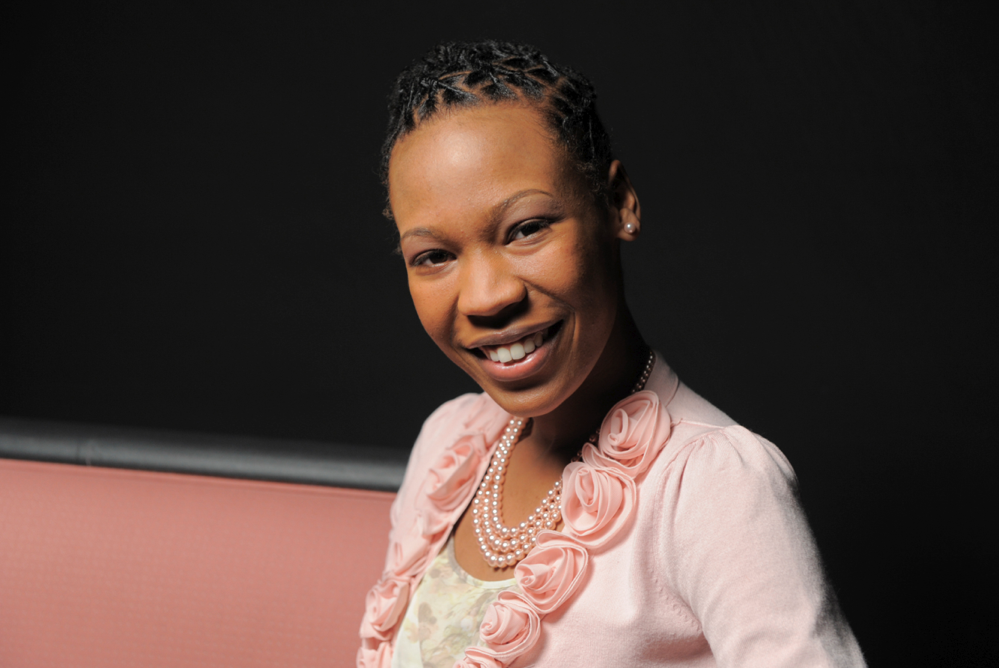
Sabrina Thompson from Roosevelt, New York was initially told to pursue mechanical engineering because of her creativity, but was then told that the math and science courses required for the major would be “too hard for her.” She now works with safety experts overseeing the NASA Goddard Space Flight Center.

Like so many of us, Jennifer Heldman became fascinated with space when she visited a planetarium in third grade. She spent her childhood looking through telescopes, watching the movie Space Camp, and recreating moon landings. She is currently a research scientist at NASA Ames Research Center.

As a 6-year old, Huy Tran climbed a tree outside her home in Vietnam to get as close as she could to the soaring shuttle carrying Neil Armstrong to the moon. Today, she is responsible for developing technology for air traffic management and alternate bio-fuel at NASA and is internationally recognized for her expertise on advanced entry systems and thermal protection.
It makes you look at current Justin Bieber fans a little bit differently, doesn’t it?
(Women@NASA, NASA)
Have a tip we should know? [email protected]