

Trump administration fires Justice Department official after she refused to restore Mel Gibson’s gun rights
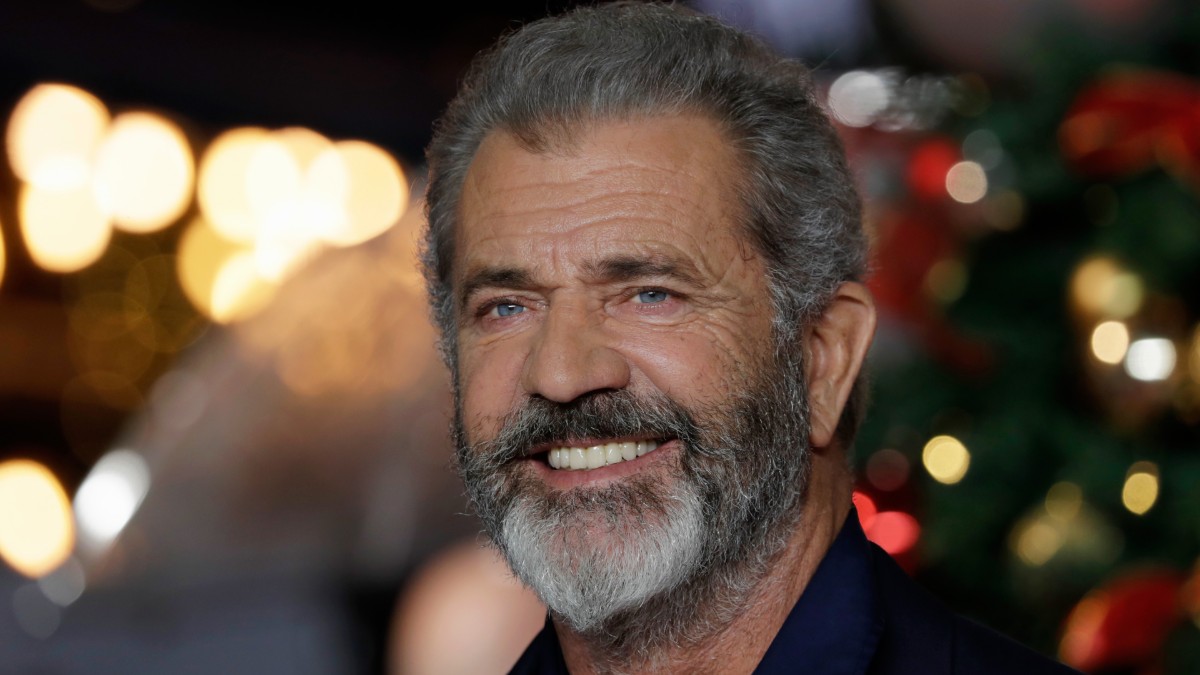
A Justice Department pardon attorney was fired by the Trump administration, an act that may be retaliatory after she refused to restore the gun rights of Mel Gibson, who has a history of domestic violence.
Unfortunately, such retaliation wouldn’t be surprising under Donald Trump’s presidency. He is known for his vengeful attitude, so much so that President Joe Biden had to preemptively pardon Trump’s so-called “enemies” out of fear of political retribution. Since Trump entered office, there have been a few firings that strongly appear to be retaliatory measures. Recently, the head of FBI’s New York office, James Dennehy, was forced out of his position after he urged the FBI to resist Trump’s vengeful plans to fire agents for no other reason than that they investigated January 6. Similarly, USAID’s Inspector General was illegally fired without notice shortly after he released a report exposing how the Trump administration’s chaotic funding freeze risked hundreds of millions in food waste.
Needless to say, the Trump administration is pushing a dangerous and anti-democratic message that anyone who doesn’t allow him, his administration, and his supporters to do whatever they please will face Trump’s wrath. A Justice Department attorney appears to be the latest victim of this sentiment.
Justice Department official fired after opposing Mel Gibson
Justice Department pardon attorney Elizabeth G. Oyer was abruptly dismissed from her role shortly after she denied Gibson the restoration of his gun rights. Gibson lost his gun rights after a domestic violence incident in 2011 in which he pleaded no contest to a misdemeanor battery charge. Federal laws prohibit convicted criminals from owning a handgun. However, the Justice Department has the authority to restore these rights in cases where the convictions are decades old or the individuals pose little threat of re-offending. Recently, Oyer was tasked with reviewing and considering candidates to restore their gun rights.
Oyer identified 95 individuals who may make good candidates for gun rights restoration. Of the list, Deputy Attorney General Todd Blanche and Oyer ultimately settled on just nine to recommend getting their gun rights back. However, after the recommendation was sent, Oyer suddenly received a request to add Gibson to the list. Gibson’s lawyer had sent letters to two Justice Department officials requesting the restoration of his gun rights due to his new role in the Trump administration. Since he wasn’t on her initial review list, she knew little about his background and was very hesitant to restore his rights due to his domestic violence history. Hence, she responded to Justice Department superiors and refused to recommend Gibson. Oyer was then contacted by a senior official who tried to pressure her into recommending Gibson, claiming his association with Trump somehow allowed him to circumvent typical safety protocol.
The next day, Oyer again wrote to her superiors denying Gibson’s restoration of gun rights. Hours later, two security officers handed her a termination letter and escorted her out of the building. No reason was given for her termination, though a Justice Department official claimed to The New York Times that it wasn’t related to the Gibson incident. Of course, the sequence of events strongly suggests otherwise.
Gibson is a Hollywood actor and director who was once blacklisted by the industry due to his numerous controversies. In 2011, he was served a restraining order, investigated, and charged with misdemeanor battery for domestic violence against his ex-girlfriend. Audio tapes at the time reveal Gibson threatened to murder her and give her a “bat to the side of the head,” among other disturbing threats. He was also accused of knocking her teeth out in an assault. When Hollywood gradually allowed Gibson a comeback, he quickly used his platform to endorse Trump, eventually earning the title of “Special Ambassador to Hollywood” for the Trump administration. He certainly hasn’t expressed much, if any, regret for his past actions. Restoring domestic abusers’ gun rights should not be taken lightly, regardless of whether the individual is friendly with Trump. It’s known that domestic violence offenders have unusually high rates of recidivism, making them some of the most dangerous candidates for gun rights restorations.
Oyer used her professional judgment to make an apolitical decision regarding Gibson’s fitness to own a gun and was fired for it. Of all the instances of retaliation, this is the most disturbing. The Trump administration is increasingly leaning toward the idea that if someone supports Trump, they’re above the law. This raises the question of how justice will be possible if Justice Department officials are constantly threatened with termination if they don’t favor Trump supporters.
Have a tip we should know? [email protected]
Follow The Mary Sue:
