



‘Goodwill pricing stuff as if it’s brand new’: Minnesota woman goes thrifting. Then she says this one Google Lens hack has ‘ended thrifting’ as we know it

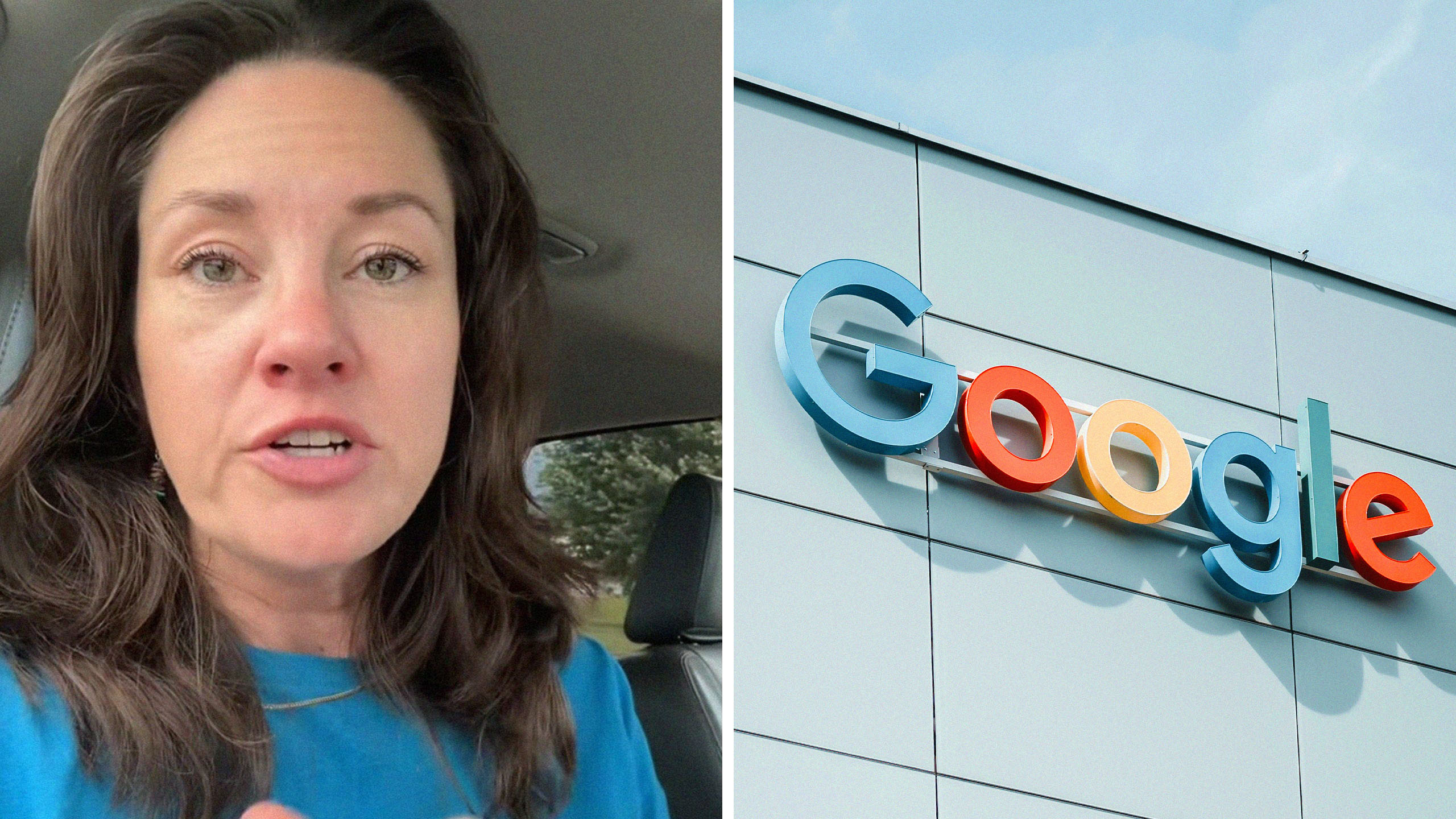
Thrifting isn’t what it used to be, according to avid thrifters online. The hobby has soured, whether that’s due to resellers, climbing prices, or the cesspool of Shein found on the racks. As for the heftier price tags, one TikToker reveals the alleged reason you may not be scoring vintage Coach for $20 anymore: Google Lens.
In a TikTok, Jem (@secondhandstash) shared her thoughts as to what could be the reason for price hikes at thrift stores. She films her clip from the inside of a store. The overlay text reads, “I hate to say this but thrift store workers using Google Lens for pricing has ended thrifting as we know it.”
What is Google Lens? And how can you use it for thrifting?
It is a feature on the Google browser that uses your camera–or a photo from your phone–to search information about an object, text, or place. It also is an app. To most online shoppers, this tool is a game-changer. You can almost always find a perfect match for the item you’re looking for. For example, if you like seeing a stranger’s bag on the subway, you can snap a discreet photo of it and use Google Lens to find which brand it is and where to buy it. Similarly, if you are at the thrift store and come across a mid-century modern chair for $40, you can use Google Lens and find that it’s a vintage Wassily that retails up to $4,000.
Resellers and thrift hobbyists have been gatekeeping this tool for a while. TikTok has skyrocketed into popularity in the past year or two, though. The advantage was, of course, that you get a steal when out thrifting. But if it’s true that stores are wising up, it could mean folks can no longer get great deals on items.
Backlash for thrift stores
Whether thrift workers are truly using this tool or not cannot be officially confirmed, though thrifters who claimed they’ve asked workers say it’s true. However, it is possible. This year, shoppers have noticed places like Goodwill hike their prices despite getting the items donated. The thrift giant has come under fire again and again, not only for selling trash at exorbitant prices, but for keeping the “good stuff” off the floor so they can auction it online.
@secondhandstash I’m I wrong? #thriftstore ♬ Everything is content – cassieresetting
Shoppers are fed up
On Jem’s video, viewers were more than critical of thrift stores and their pricing practices.
“Goodwill pricing stuff as if it’s brand new when they got it for free,” one user wrote. A second added, “Glad we’re moving away from blaming resellers and seeing it for what it is; corporate greed.”
Another confirmed the TikToker’s claim, writing, “I agree. I was at the Salvation Army and they were explaining to a group of volunteers how to price. Google lens on eBay and mark it half.”
Whether this trend in thrifting will change the game as we know it remains to be seen, but shoppers are already leaning toward no longer donating altogether.
Update Oct. 9, 2025:
In a direct message to the Mary Sue, Jem says that Google Lens “took a lot of the ‘thrift’ out of thrift stores.” She points out that it’s proof that the secondhand world keeps evolving.
“I first became aware of the Google Lens ‘hack’ around 2018 when I started noticing certain items in thrift stores—especially vintage or branded pieces—being pulled aside and priced significantly higher,” she says. “At the time, I assumed it was just selective pricing by employees who recognized a name or logo, but over the years it became clear that stores were likely using image recognition tools like Google Lens to identify and price goods based on online listings.”
Jem continued that she began seeing this trend gain traction in 2022, probably due to social media tutorials and influencers.
“Then in 2024, when Google integrated Lens more seamlessly into mobile search, it became the norm,” she revealed. “I’ve been thrifting for 33 years, so I’ve seen the full evolution.”
Jem says that thrift stores were affordable before and a great way for communities to access secondhand goods.
“For those of us who’ve trained our eyes over decades, there was a real art and science to spotting treasures like knowing texture, weight, craftsmanship, and era at a glance,” she shares. “Now, that expertise has largely been replaced by a quick scan with a phone.”
As for whether she thinks this technology shift is bad, Jem says it’s just different.
“Technology changes every industry, and thrift stores are businesses that have every right to set their own prices,” she revealed. “But what’s changed most is the spirit of thrifting. It used to be about discovery and accessibility; now it often feels more transactional, and the thrill of the hunt is harder to find at mainstream stores.”
Jem believes that buyers and resellers can adapt.
“There are still ways to source creatively; from small-town shops and estate sales to flea markets and private picks,” she says. “The landscape of secondhand is changing, but the love for it remains strong. We just have to shift with it.”
Have a tip we should know? [email protected]
