


Looking for the best watch order for a ‘Lord of the Rings’ and ‘The Hobbit’ marathon? This is it
Anybody got any good lembas bread recipes?

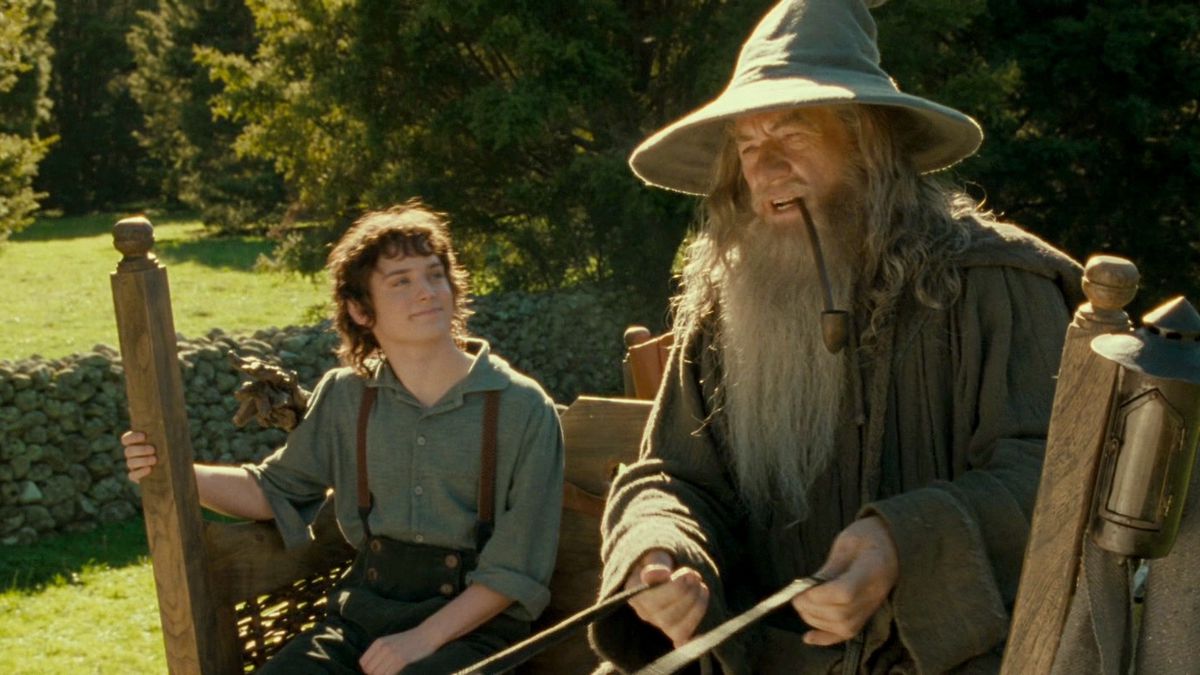
Planning a grand old marathon of Peter Jackson’s two Middle-earth trilogies, The Hobbit and The Lord of the Rings? There’s nothing better than the comfort of “Concerning Hobbits,” the swelling emotion of the Rohirrim charge at the gates of Minas Tirith, Martin Freeman’s spot-on interpretation of Bilbo Baggins, and all of the iconic and meme-ified moments.
The Lord of the Rings and The Hobbit trilogies might make for a textbook cinematic marathon. The runtime for LOTR’s three extended editions (and who’s doing a marathon without picking those?) is a massive 11 hours and 36 minutes, while The Hobbit trilogy is only a breezy nine hours. You can technically fit all six movies in a single day with three and a half hours to spare for snacks and bathroom breaks for the ultimate Tolkien experience that will undoubtedly leave you dazed but also very content. Alternatively, if you care about a silly little thing called sleep, this double marathon is perfect for a long weekend.
Now, what’s the best viewing order? Should you watch The Hobbit movies before The Lord of the Rings? Or should you watch Jackson’s films in the order they were released? Do you really have to watch the extended editions? And what about Prime Video’s The Lord of the Rings: The Rings of Power? Everyone has an opinion on which order you should follow during your marathon. (Thankfully, Lord of the Rings fans haven’t come up with some goofy inside-out way to binge these movies like the Star Wars “machete order”… yet.) If you’re looking for a suggestion for your watch party, then you can take our opinion as expert marathoners and adopt what we believe is the correct way to watch all six Lord of the Rings movies in order.
How the viewing experience changes with each order
| Release Order | Chronological Order |
| The Lord of the Rings: The Fellowship of the Ring (2001) | The Hobbit: An Unexpected Journey (2012) |
| The Lord of the Rings: The Two Towers (2002) | The Hobbit: The Desolation of Smaug (2013) |
| The Lord of the Rings: Return of the King (2003) | The Hobbit: The Battle of the Five Armies (2014) |
| The Hobbit: An Unexpected Journey (2012) | The Lord of the Rings: The Fellowship of the Ring (2001) |
| The Hobbit: The Desolation of Smaug (2013) | The Lord of the Rings: The Two Towers (2002) |
| The Hobbit: The Battle of the Five Armies (2014) | The Lord of the Rings: Return of the King (2003) |
There are two basic options for your marathon. You can watch the films in the order that they were released, starting with The Fellowship of the Ring and then “flashing back,” so to speak, from the original trilogy to The Hobbit trilogy as a prequel, ending with The Battle of the Five Armies. You’ll hear Bilbo talk about his youthful adventures to the Lonely Mountain and back again and then see those adventures a few hours later. You watch digital technology grow over a decade and change. A framing device in The Hobbit with the older Bilbo and Elijah Wood’s Frodo assumes the audience is watching these movies after The Lord of the Rings trilogy. If you’re a stickler for watching franchises in the order that they were released, for obvious reasons, this is the way to go.
Or you can start with The Hobbit trilogy and finish with The Lord of the Rings trilogy, watching the whole saga as one complete chronological story about good, evil, and a magic ring in a beautiful place called Middle-earth. Not only is this version the story of Bilbo Baggins from start to finish, but you can also track characters, including Gollum, Gandalf, Saruman, and even Legolas, over six films. While you might wonder why characters like Radagast and Tauriel disappear between the two trilogies, this is the order that follows the fictional history of Middle-earth. Ultimately, in our humble opinion, it is the better of the two choices.
Understanding the timeline of Middle-earth
If you and/or your marathon companion is unfamiliar with Tolkien’s works, chronological order is also the smarter way to go. The Hobbit takes place about sixty years before The Fellowship of the Ring. Its protagonist, the Hobbit Bilbo Baggins, is the uncle of LOTR hero Frodo Baggins. Not only do the events of The Hobbit take place before the events of The Lord of the Rings, but the novel was published first, too. You could argue that the author himself would want you to watch the movies this way. Take that!
As for more recent additions to the Lord of the Rings screen adaptation canon, The Rings of Power and The War of the Rohirrim take place millennia and centuries before the Baggins boys were even born, respectively. These are prequels in the truest sense. Prime Video’s The Rings of Power may feature familiar faces like Galadriel, Elrond, Gandalf, and even Sauron, but it takes place thousands of years before The Hobbit. The recent animated film The War of the Rohirrim, which puts the Helm in Helm’s Deep, takes place in the horse-loving region of Rohan just under 200 years before we meet King Theoden and Eowyn in The Two Towers.
Frankly, I don’t recommend adding these to your marathon unless you have a lot of PTO. With two seasons already streaming, The Rings of Power is currently a 16-hour binge. The War of the Rohirrim is another two hours and 14 minutes. Dig into those juicy corners of Tolkien’s mythology on another day. Additionally, since the prologue in The Fellowship of the Rings spoils how The Rings of Power will end anyway, whether you binge the series before or after the movies doesn’t matter.
Why watching the movies in chronological order matters
You have to start with The Hobbit. Let’s say the quiet part out loud: Despite their spectacular casting, they are the worst of the six, and there’s no dancing around it. They’re proof that a bigger budget and more advanced CGI are not necessarily a recipe for better movies—the pacing is all over the place (do you ever think about the duology directed by Guillermo del Toro we could have had and cry? Because I do. Often), and the extra storylines are ridiculous. There are some genuinely brilliant moments buried under this desperate need to be a prequel to LOTR in both themes and genre, but they still don’t compare. Martin Freeman is excellent, and the supporting performances from actors like Aidan Turner, Luke Evans, Lee Pace, and Richard Armitage are generally good acting-wise and eye-candy-wise. But sadly, that’s not enough to save this messy prequel trilogy as a whole.
But, if you start your marathon with The Hobbit, then you, to put it simply, get it over with fast. Choose delayed gratification. You begin with An Unexpected Journey, arguably the best of the three, so it’s not that harsh of an opening. You hope Benedict Cumberbatch’s double-duty performance as the Necromancer (a.k.a. Sauron) and the titular dragon Smaug is enough to carry you through The Desolation of Smaug. Then, by the time you finish The Battle of the Five Armies, you can forgive that ending because you know that the best is yet to come. You’re now free to enjoy all the awesomeness and glory of The Fellowship of the Ring, The Two Towers, and The Return of the King, which won Best Picture, NBD! Why wouldn’t you want to end on that high note?
Which version of LOTR should I watch—Extended or Theatrical?
I regret to inform your circadian rhythm that, yes, you should watch the extended cuts of The Lord of the Rings, at the very least. (Given that we just said that The Hobbit trilogy is inferior and best to power through, you can decide if you want to go EE with that one.) It adds a few hours to your marathon but makes for a more immersive experience. Watching The Lord of the Rings should feel like a long, meandering journey. That’s literally what it is. Plus, the extended editions of The Two Towers and Return of the King include a ton of Eowyn and Faramir scenes that weren’t shown in theaters. You owe it to the trilogy’s best female character to get her full story.
The only time I would recommend lightening your load and marathoning the theatrical cuts is if you’re watching for the first time, making a Lord of the Rings skeptic watch for the first time, or if you’ve found a cinema screening all three movies. If you don’t want to overwhelm yourself or a loved one, the theatrical cuts (which average three hours each, instead of four… still pretty long IMHO) are totally acceptable. They’re what made the rest of us fall in love with these movies the first time, after all!
Now that you’re all set and know how to watch The Hobbit and The Lord of the Rings chronologically, what are you waiting for? The films, including the extended editions, are streaming on Max. Your adventure awaits!
Have a tip we should know? [email protected]

