
“Simple Role Reversals Are Usually Problematic”: It’s Time to Refocus the “Female Gaze”

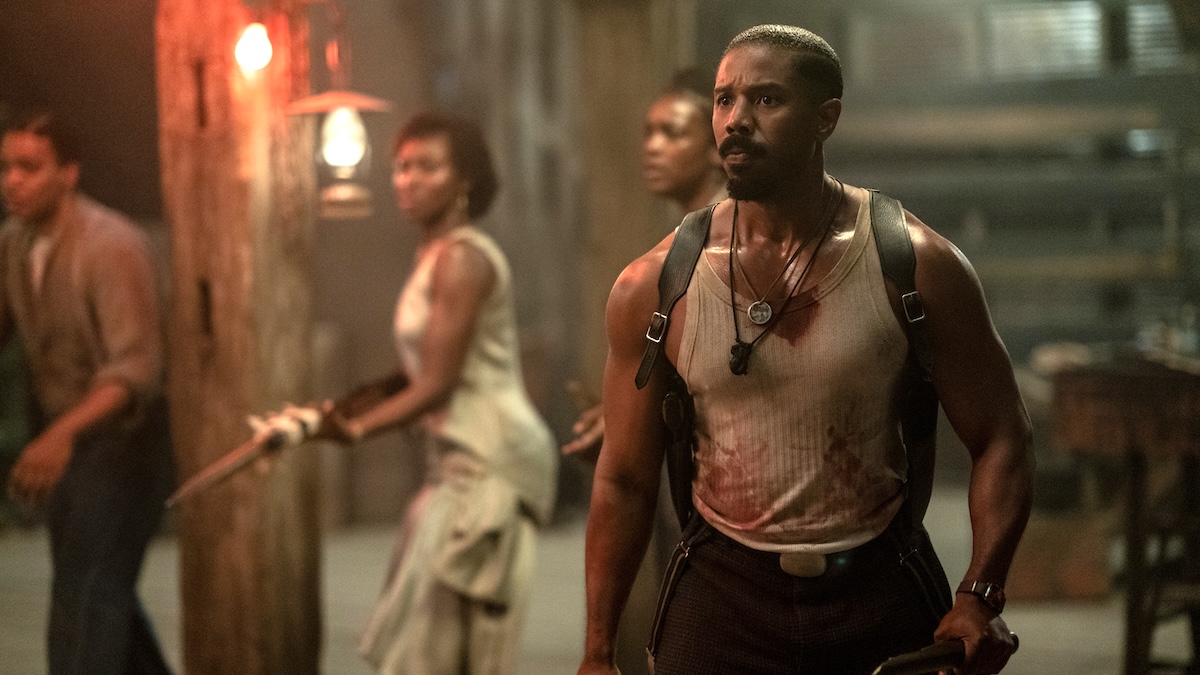
On March 15, 2026 at the 98th Academy Awards, Autumn Durald Arkapaw became the first woman ever to win the Oscar for Best Cinematography. It got me thinking about what we talk about when we talk about the “female gaze” and how we should be talking more about the women who are literally behind the camera when we do so.
If you’re as terminally online as me, you’ve definitely seen someone say that soft or misunderstood male characters like Jacob Elordi in Frankenstein are examples of “the real female gaze.” This is often posed as in opposition to some dehydrated muscle-y hunk on the cover of Men’s Health, right? Maybe you’ve also been privy to multiple rounds of discourse about how certain women “dress for the male gaze.” Not To be a buzzkill, but neither of those are really what “the gaze” is meant to refer to as a concept. For my sake, can we back up?
The Male Gaze as Defined by Laura Mulvey
First of all, “female gaze” only exists as a term in popular culture because of British film theorist Laura Mulvey and her 1975 essay “Visual Pleasure in Narrative Cinema.” She introduced the concept of the “male gaze” in film. We need to start there, because gender parity is decidedly not the point of this essay.
Mulvey describes how misogyny is inscribed in the visual language of cinema. Pay attention to where the camera is placed by male cinematographers (and directors giving direction) when you watch a film. Men are actively looking, and women are passively looked at. It’s about the perspective of the images themselves as much as the story’s content. Their eyes behind the camera is why she called it a gaze. Mulvey used the voyeurism present in Alfred Hitchcock’s films as an example. I like to use a cruder and more direct example: the upskirt shots of Wonder Woman in the theatrical cut of The Justice League.
In a recent 10-minute talk with the British Academy, which you can watch on YouTube, Mulvey herself discusses how the term she coined has become a bit of a watered-down, overused cliché in the decades since she published her essay. You should absolutely read the original if you have the opportunity. But it’s quite nice to watch Mulvey put both her own 70s feminism and the Hollywood studio system in context.
Does the Female Gaze, Therefore, Even Exist?
At the end of the 10-minute talk, Mulvey considers the possibility of an alternative. “I’m quite often asked whether I think the idea of a female gaze works,” she says, “theoretically or in practice. To my mind, simple role reversals are usually problematic. To exchange one kind of power or domination for its opposite perpetuates a system that revolves around power and domination.”
I roll my eyes when someone says that Magic Mike XXL or Pride and Prejudice (2005) demonstrate the female gaze. Feminist or not, men were still behind the camera doing the gazing. Plus, it is heteronormative and disingenuous to say “male gaze = sexualized woman, female gaze = sexualized man” for a host of reasons, including Mulvey’s use of Freud to examine how the female form represents certain male anxieties. You simply can’t take a theory about how Hollywood is a machine that exploits women and equate it to what women find attractive in men. That’s ridiculous.
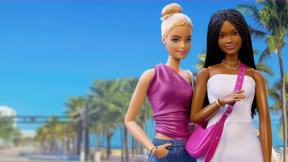
Mulvey suggests we alternatively associate a female perspective in film with curiosity and the desire to know and see. She also cites Joanna Hogg’s The Eternal Daughter, Céline Sciamma’s Petite Maman, and Greta Gerwig’s Barbie as contemporary examples of what is possible when, in her words, “women are able to find the means for creative and poetic expression.”
Get to Know More Lady Cinematographers!
I, not an academic, would like to suggest that we pay more attention to woman cinematographers/DPs (directors of photography) in addition to woman directors and screenwriters. Only one of the three Mulvey-apprroved examples has a female DP, for what it’s worth. Let’s look at how they gaze at men on screen, how they portray women in contrast to how men have for ages, and draw our own conclusions.
While it may have taken the Academy of Motion Picture Arts and Sciences almost a century (woof) to award a woman in this field, they exist! They really do, more and more every day. Here are some names to get you started. Without further ado–sorry about all that ado–ten woman cinematographers whose work you should know:
Autumn Durald Arkapaw

As we know, Arkapaw won the Academy Award for Best Cinematography for Sinners, photographed above, directed by Ryan Coogler. She was also Coogler’s cinematographer for Black Panther: Wakanda Forever, shot the first season of Loki for director Kate Herron and did three Gia Coppola films: Palo Alto, Mainstream, and The Last Showgirl. Next up for Arkapaw is Coogler’s highly anticipated X-Files reboot with Himesh Patel and Danielle Deadwyler.
Agnés Godard
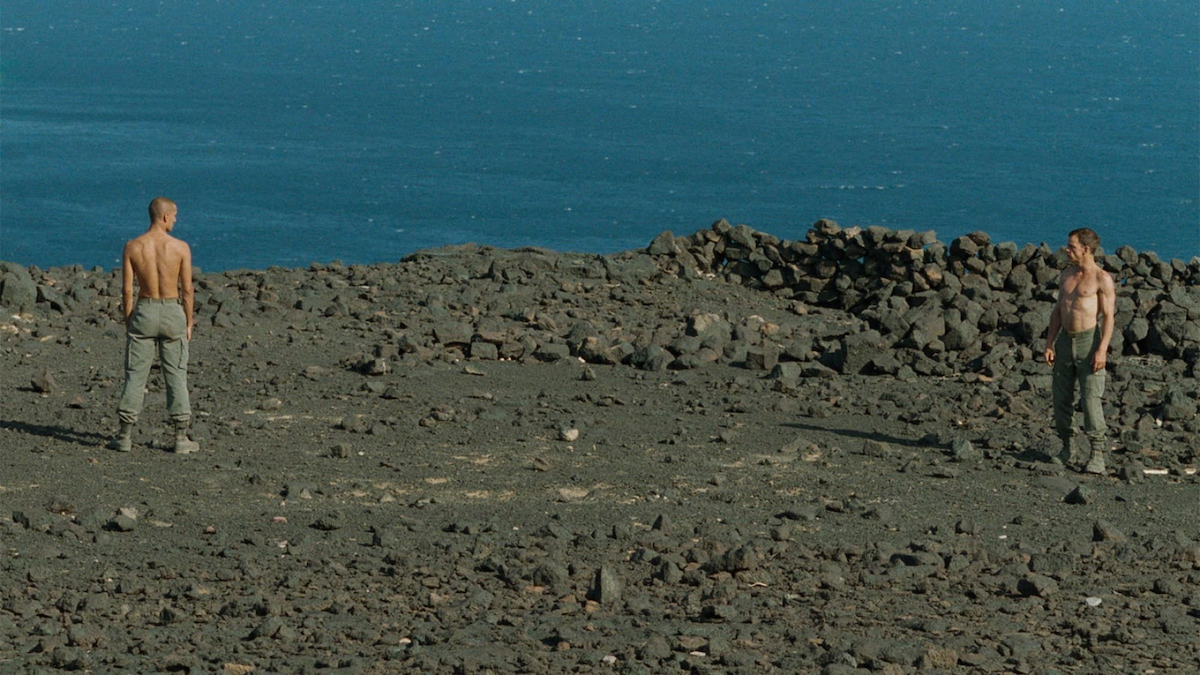
Agnés Godard has been director Claire Denis’ go-to cinematographer for decades. She is a César winner for Denis’ Beau Travail, pictured above, and also shot 35 Shots of Rum, Let The Sunshine In, and Trouble Every Day among others.
Rachel Morrison
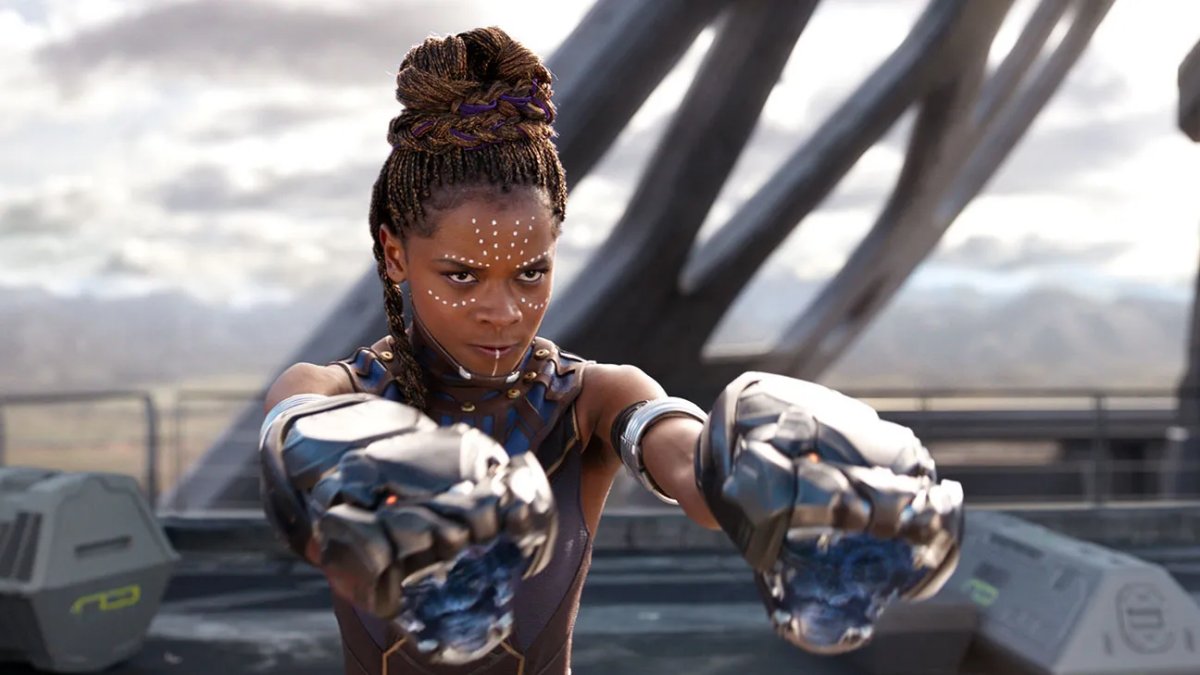
Morrison became the first woman cinematographer to be nominated for the Academy Award for the 2017 film Mudbound, directed by Dee Rees. She worked with Coogler on Fruitvale Station and the first Black Panther, above. Some of her other credits as director of photography include Daisy von Scherler Mayer’s Some Girl(s), Sara Colangelo’s Little Accidents, and Rick Famuyiwa’s Dope.
Ari Wegner
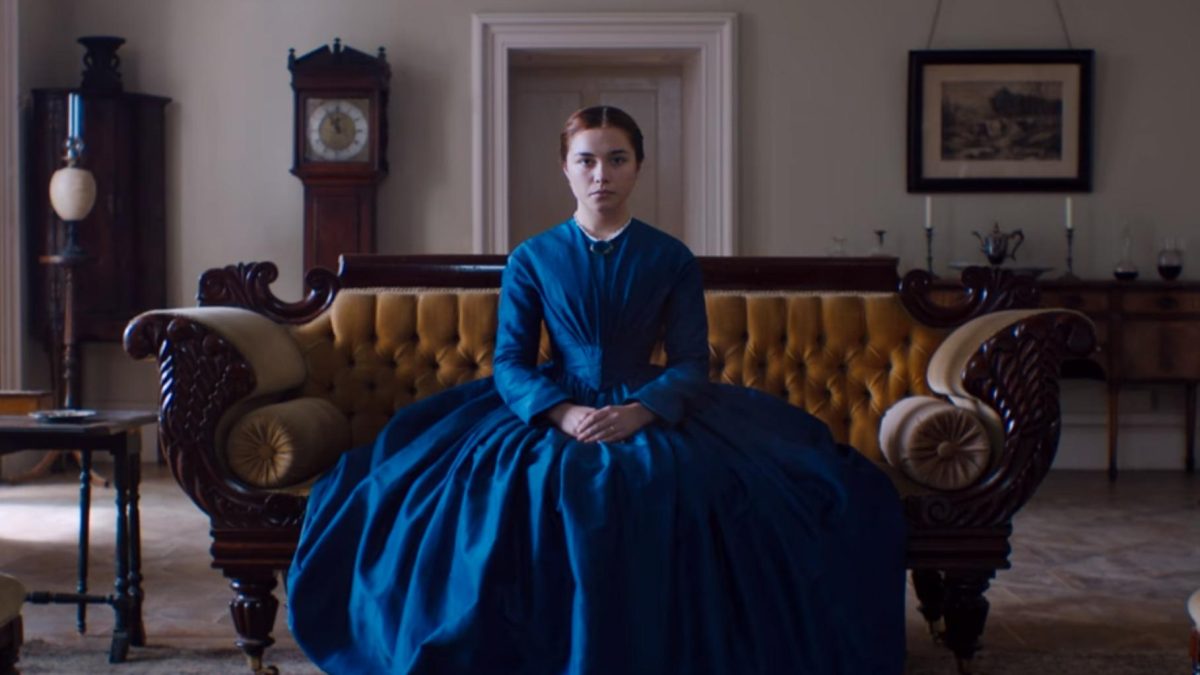
Ari Wegner has an eclectic filmography. She was the second woman Oscar-nominated for Best Cinematography for Jane Campion’s The Power of the Dog. She was also the DP on Janicza Bravo’s Zola, William Oldroyd’s Lady Macbeth. That film, pictured above, introduced the world to Florence Pugh. In addition to that, Wegner shot the second season of The Girlfriend Experience with director Amy Seimetz. She has recently been working with Ethan Coen on his trio of, in his words, “lesbian B-movies.”
Crystel Fournier
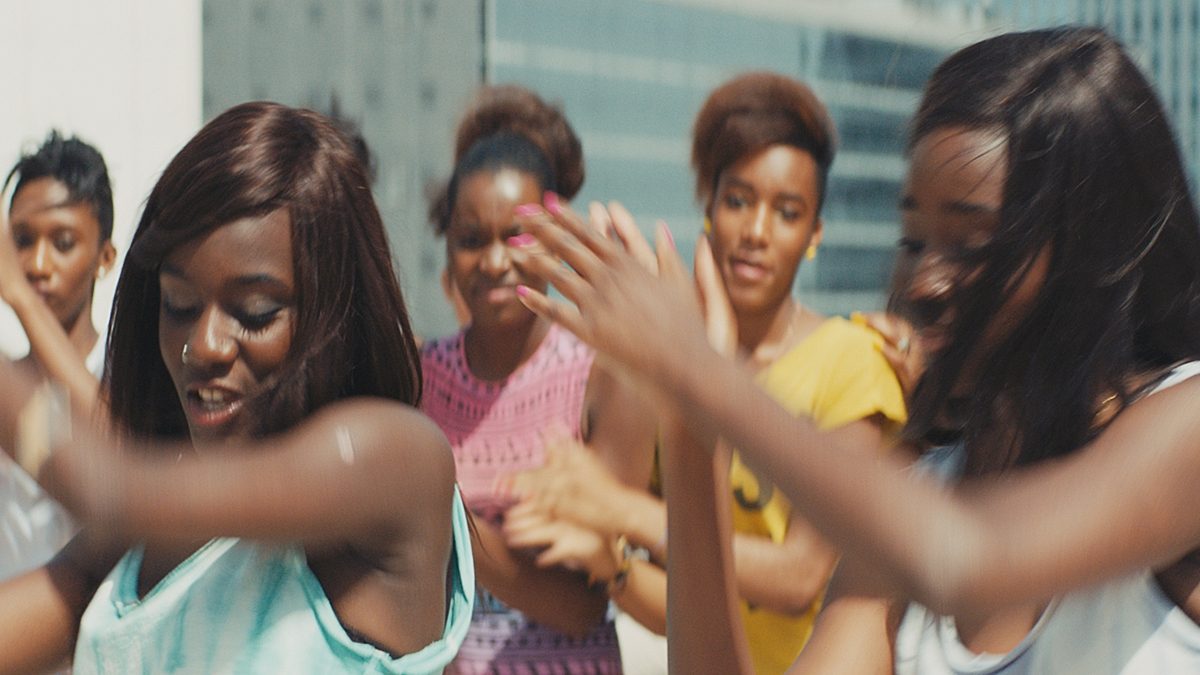
Crystel Fournier is a French cinematographer who worked with director Céline Sciamma (more on her in a minute on) on the above film Girlhood, as well as Water Lillies and Tomboy.
Ula Pontikos
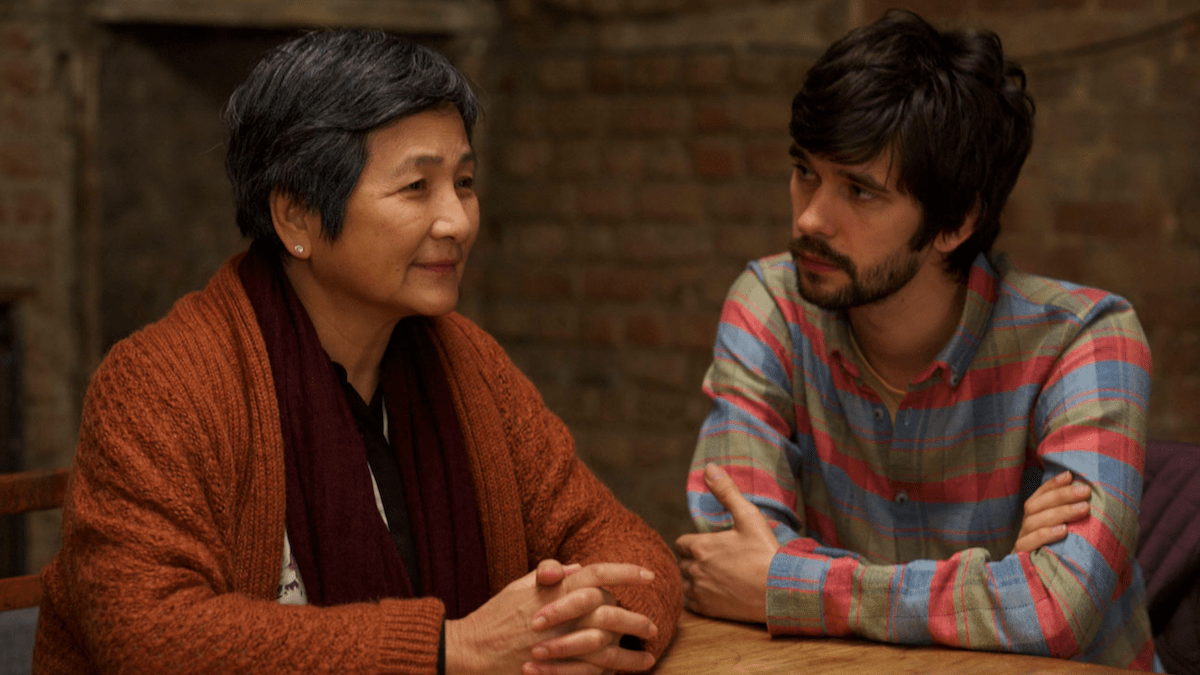
Ula Pontikos is Emmy-nominated for her cinematography work on the second season of Russian Doll with writer, director, and star Natasha Lyonne. She was the DP on the Starz series Three Women. I also want to call attention to her work on two lovely queer romances: Andrew Haigh’s Weekend and Hong Khaou’s Lilting, pictured above.
Ellen Kuras
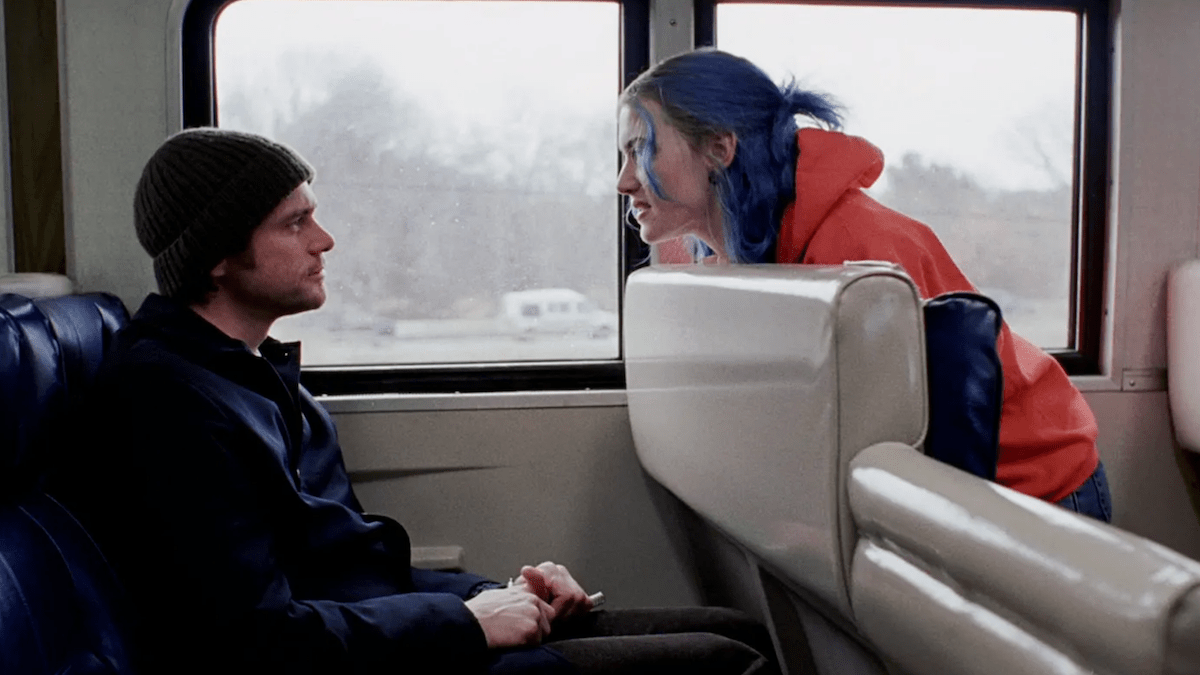
So many men worked on Eternal Sunshine of the Spotless Mind but I can still tell that a woman, cinematographer Ellen Kuras, was behind the camera. Her other credits include Mary Harron’s I Shot Andy Warhol, Ted Demme’s Blow, Alan Rickman’s A Little Chaos, Sam Mendes’ Away We Go and Spike Lee’s Bamboozled.
Tami Reiker
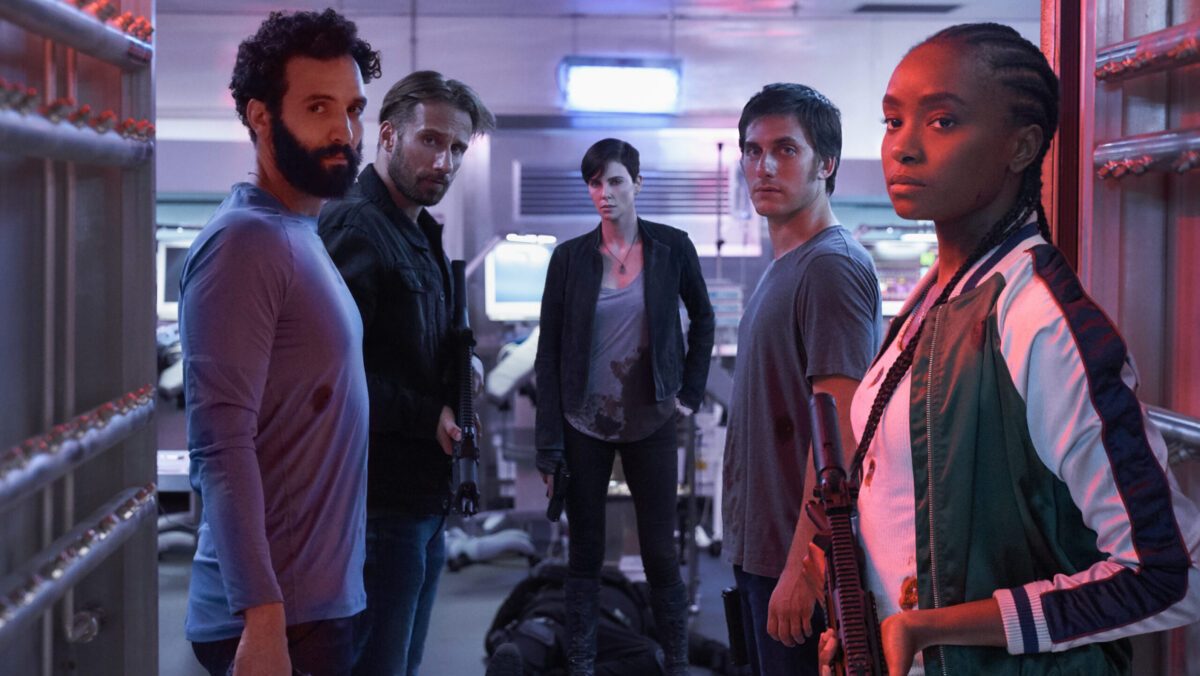
Tami Reiker worked with director Gina Prince-Bythewood on two gorgeous films, Beyond the Lights and The Old Guard, above. She also shot One Night in Miami for Regina King, Pieces of April for Peter Hedges, High Art for Lisa Cholodenko, The Incredibly True Adventure of Two Girls in Love for Maria Maggenti, and one of Adrienne Shelly’s short films.
Claire Mathon
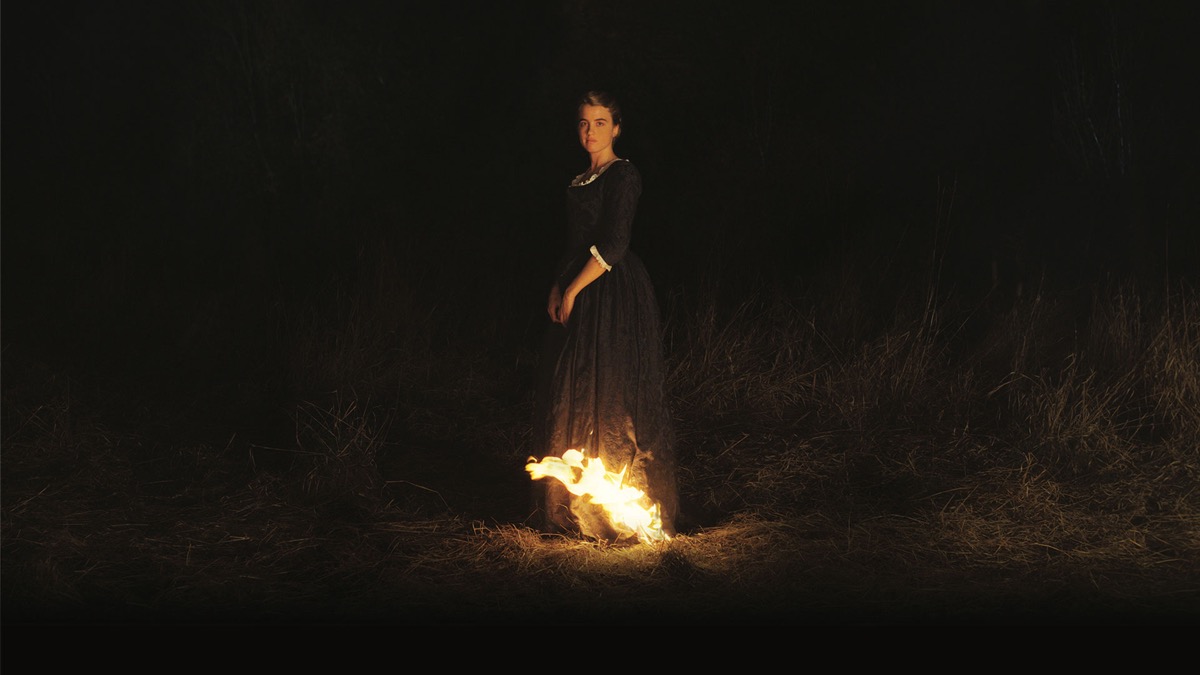
Claire Mathon has worked with Sciamma on Portrait of a Lady on Fire and Petite Maman. Other recent credits include Pablo Larraín’s Spencer and Alice Diop’s Saint Omer. She won the César for Best Cinematography for Portrait of a Lady on Fire. She has been nominated on three other occasions. Notice how the French aren’t scared of women behind the camera!
Hélène Louvart
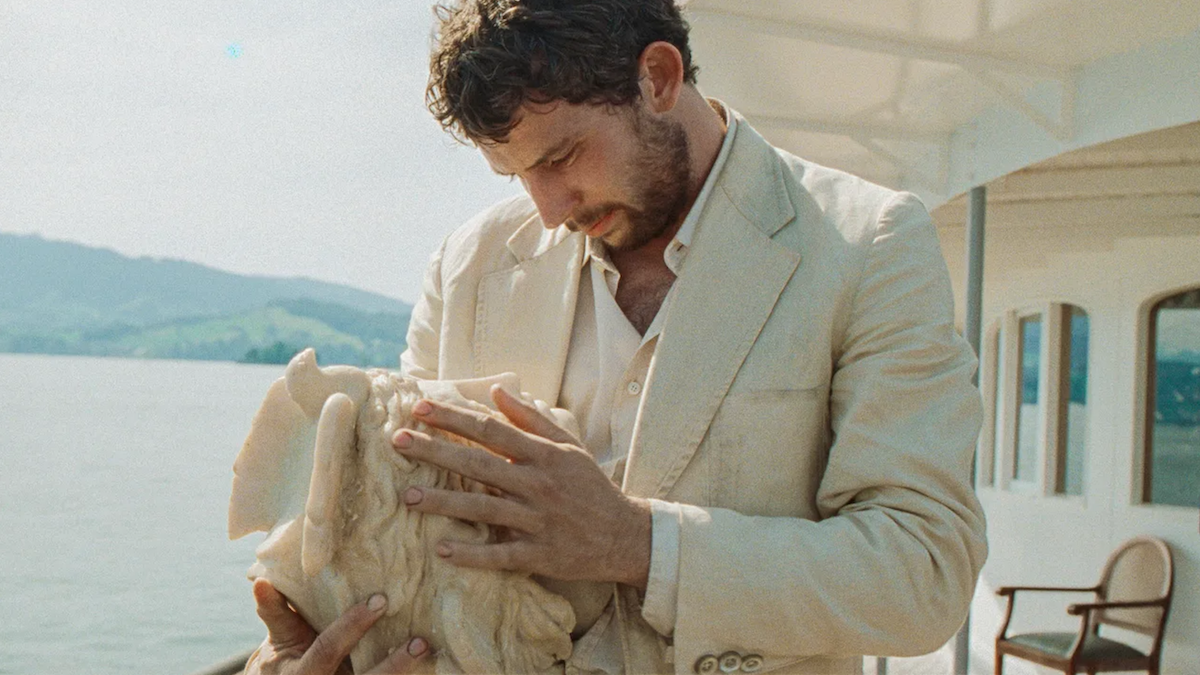
Speaking of, French director of photography Hélène Louvart is responsible for the breathtaking cinematography on Alice Rohrwacher’s La Chimera. They’ve made four films together in total. Her buzzy recent releases include Maggie Gyllenhaal’s The Lost Daughter, Eliza Hittman’s Never Rarely Sometimes Always, and the upcoming film Rosebush Pruning directed by Karim Aïnouz. She also shot the 2011 dance documentary that Wim Wenders directed called Pima.
(featured image: Warner Bros.)
Have a tip we should know? [email protected]
