


‘Reshaping American public education’: New study finds book bans are increasing at an alarming rate

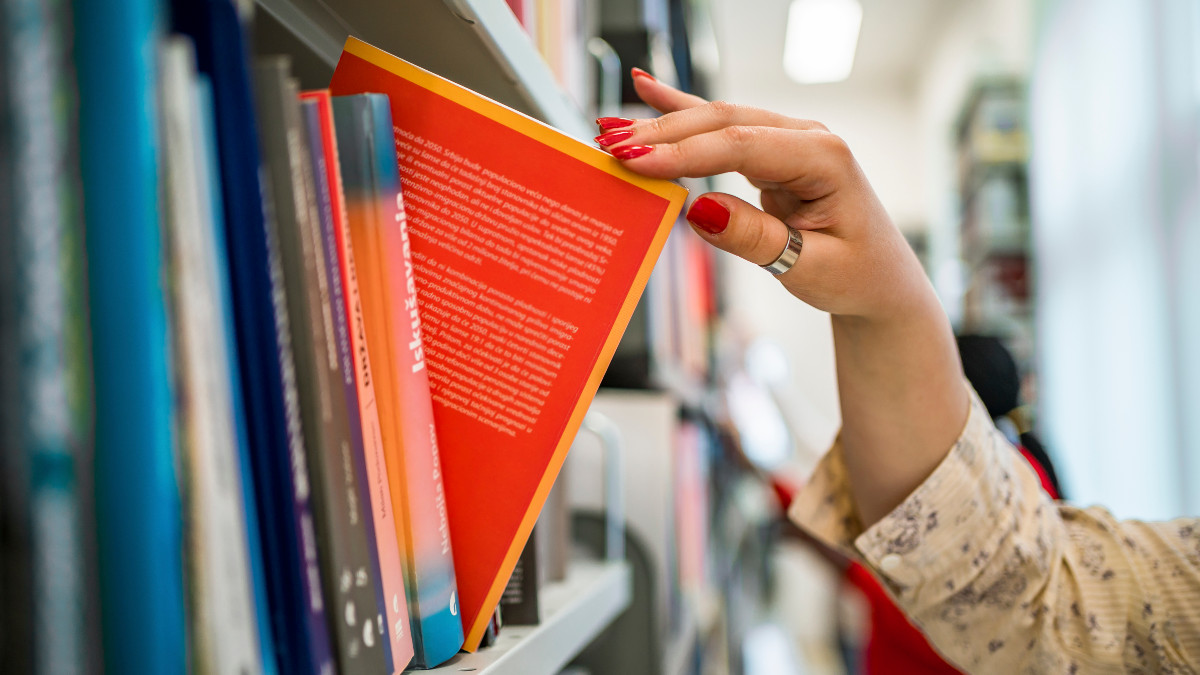
A new study by PEN America, which protects freedom of expression and champions authors in the United States and worldwide, has found that book bans in U.S. public school districts are increasing alarmingly. In the 2022/2023 school year, PEN uncovered 3,362 instances of book banning. In the 2023/2024 school year, that number rose to 10,046.
Book bans have been a hot-button issue in the States since roughly 2021, as conservative Republican parents, educators, and government officials have lobbied to remove access to books they deem “inappropriate” for children and young adults. While these campaigners often demonize anything related to “sexual content,” including strictly educational material, many of the books targeted by these book ban initiatives are, sadly, stories and nonfiction works focused on minorities—specifically people of color, members of the LGBTQ+ community, and those with disabilities.
PEN defines book bans as:
“Any action taken against a book based on its content and as a result of parent or community challenges, administrative decisions, or in response to direct or threatened action by lawmakers or other governmental officials, that leads to a previously accessible book being either completely removed from availability to students, or where access to a book is restricted or diminished, either temporarily or permanently.”
PEN America’s study revealed that, of the over 10,000 instances of book banning between July 2023 and June 2024 across 29 states and 220 public school districts, 4,231 unique book titles were banned. Of the 1,091 books most commonly banned (per PEN, that means they were prohibited in two districts or more), 57% included “sex-related themes or depictions,” 44% were “books with people and characters of color,” and 39% were books with “LGBTQ+ people and characters.” The most bans were recorded in Iowa and Florida.
PEN also found that nearly 60% of the most banned books last year were, worryingly, written with young adult audiences in mind. Young Adult isn’t just a marketing term—it’s a genre that encompasses a wide range of stories and themes that teenagers and young adults should read about and discover as they embark on a new chapter of their lives and figure out who they are.
Popular YA books like The Hunger Games, The Hate U Give, Children of Blood and Bone, Iron Widow, The Book Thief, The Absolutely True Diary of a Part-Time Indian, Looking for Alaska, Simon vs. the Homo Sapiens Agenda, The Miseducation of Cameron Post, among many others, explore topics like racial oppression, colonialism, queer identities and sexuality, sexism, homophobia, transphobia, grief, death, abuse, mental health, sexual violence, and more. Books are a safe way for young people to learn about these concepts and how to navigate the emotional minefield of adulthood and the realities of our world in a healthy, imaginative—many YA books cover these topics within a fantastical setting—and accessible way.
As PEN America rightfully pointed out, “What students can read in schools provides the foundation for their lives, whether we are talking about critical thinking, empathy across difference, personal well-being, or long-term success.” Banning books will only lead to a less empathetic, sympathetic, and tolerant youth—which, of course, is exactly what conservative Republicans want. Why allow your children to learn about differing viewpoints and identities when you can teach them to fear and hate them instead? “This broad campaign uses falsehoods, fear, and hatred to dehumanize, dismiss, and diminish important voices in the public sphere—and these efforts are reshaping American public education,” PEN writes.
In this current political climate, in which public platforms like X and Facebook are being run by billionaires with direct access to the White House and DEI initiatives in schools and industries are being overturned at a breakneck pace, the censorship encouraged by book banning groups is all the more worrisome. Trump may have once tried to wave off book bans as a “hoax,” but as PEN’s report proves, the threat is painfully real. 4,000 unique titles were banned before Trump took office. How much worse will it become over the next four years?
Have a tip we should know? [email protected]
