


How the 2026 FIFA World Cup Is Changing How the World Sees America
How viral social media posts reveal the realities of visiting America.
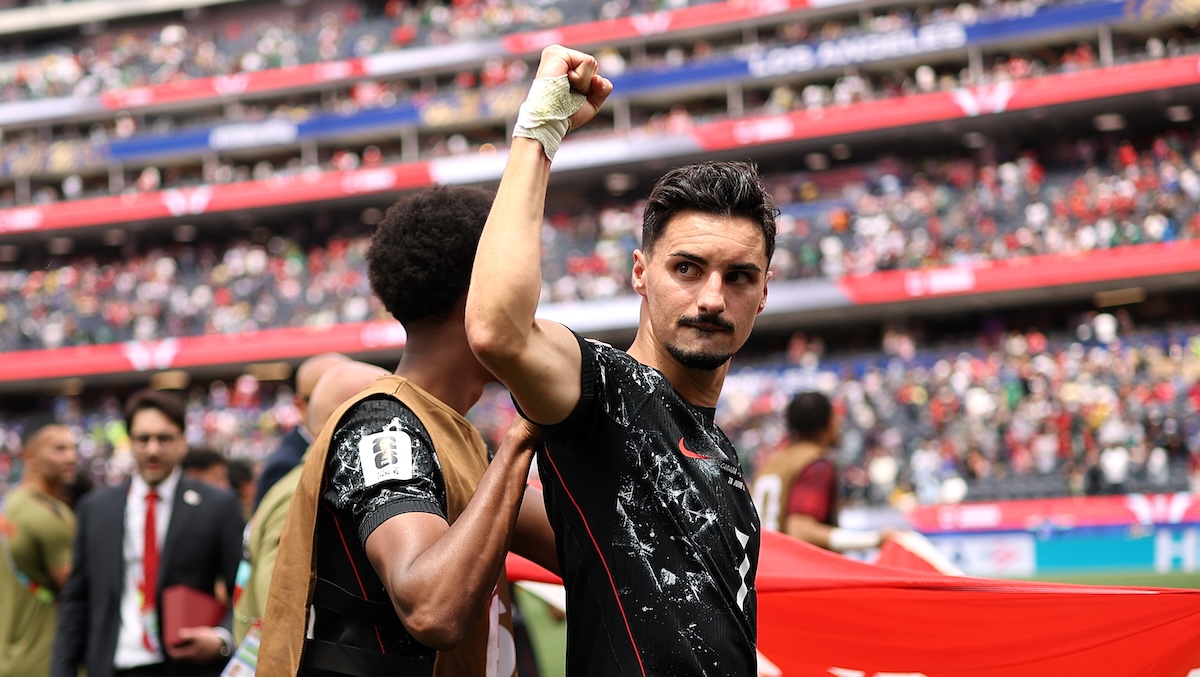
The global perception of the United States is typically shaped by political headlines, social media exploits, and what is seen on movies and TV. But as millions of visitors experience American cities firsthand during the 2026 FIFA World Cup, many are discovering the misconceptions about the day-to-day life in the U.S.
All over social media, soccer fans are sharing their experiences of coming to the U.S. for the games. One user shared how surprised they were by how friendly Americans were. Another shared how Scotland’s fans have taken over Boston and that the city has run out of beer, showing clips of fans dancing and singing in the streets. The reactions of Europeans visiting Costco and trying Waffle House for the first time have gone mega-viral. Showing how unlike the characters depicted on TV or in the news, Americans are people too.
Misconceptions of American daily life are strewn about online, in movies, across news outlets, and just about anywhere the imagery is available. Often, the Americans shown are the worst versions of people showing confrontations, political rallies, and violent protests. When all the other countries in the world get to see about American life, the constant turmoil and struggle, it can be easy to perceive the U.S. as a land like many dictatorships and third world countries.
The America Everyone Thinks They Know
Because the loudest people are often the ones seen, this can introduce bias for outsiders looking in. With the political polarization the U.S. has experienced over the last decade, it can be difficult to separate fact from reality. America also doesn’t have the best track record abroad, with representatives embroiled in scandals, active wars, and treaties abandoned.
It also doesn’t help that inside America’s borders, school shootings, violent attacks, and drug wars are front and center in global media coverage. From the outside looking in, America looks heavily divided, where neighbors are afraid of each other and drugs and chaos rule everyday life. The element of social media doesn’t help America’s perception either, as many users take to the different platforms to show off maximal capitalism and a dystopian-like society. It’s no wonder people around the globe are skeptical of Americans.
The World Cup Creates Something Social Media Can’t
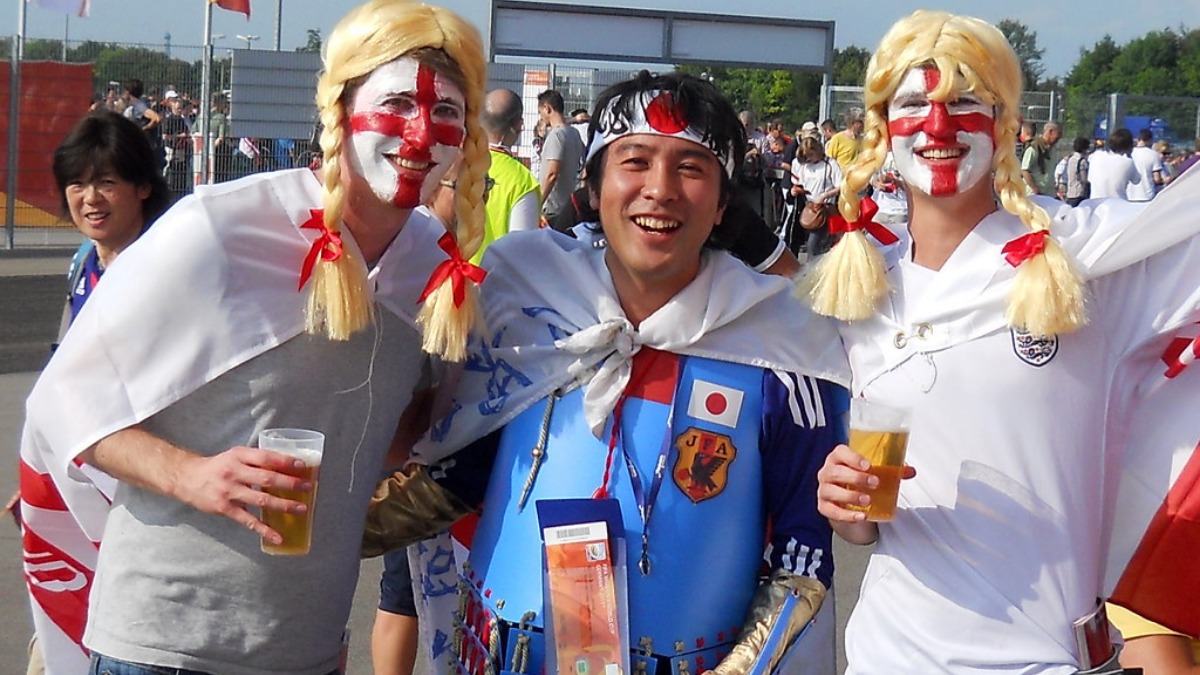
What the World Cup has done is open up the world to real Americans living each day and breaking stereotypes. Visitors from Japan are having a blast in Texas, eating BBQ and trying chips and salsa, all while sharing just how friendly the South can be. Europeans are connecting by trips to Costco and Walmart, and trying a Southern favorite – Waffle House. The surprising consensus is that “Americans are just like us.” Because it is true, we (Americans) are just people, living life and experiencing the same highs and lows as everyone else.
What this experience has brought globally is the opportunity to see life outside of politics. To see the life of citizens outside of their leaders and separate from the polarization of “left” and “right.” By interacting with one another in person and engaging with the world, people can see another side of the U.S., one that is “normal” and “just like them.”
The World Cup’s Lasting Legacy May Not Be On The Field
Though the World Cup is a temporary moment in time, its lasting effects could change the U.S.’s future trajectory. With new relationships between unlikely friends and person-to-person interactions replacing movies and the news, America might be able to return to the fray. As people around the globe dissociate the citizens of the U.S. from their politicians’ support for the country, their support for the country might turn positive. Instead of being top of the news for death and despair, America might have turned over a new leaf and squashed years of misconceptions with one lifetime event.
This new legacy can mean better relationships across the board and could broaden our political influence. The partnerships that were once tarnished from bad dealings could be mended. This experience has the potential to create a cultural shift unlike any the world has seen before, as it offers a rare opportunity for countries to visit the U.S. and get the real scoop.
While no sporting event can erase America’s challenges or controversies, the tournament is reminding visitors that no country can be fully understood through headlines alone. For millions of fans, the America they encountered during the World Cup may be far more complicated, welcoming, and human than the version they expected to find.
(featured image: Sarah Stier – FIFA/FIFA via Getty Images)
Have a tip we should know? [email protected]
Follow The Mary Sue:
