


Canada just launched a $18B war chest to break free from Trump’s economic bullying and it’s already got Wall Street sweating
Looking ahead.
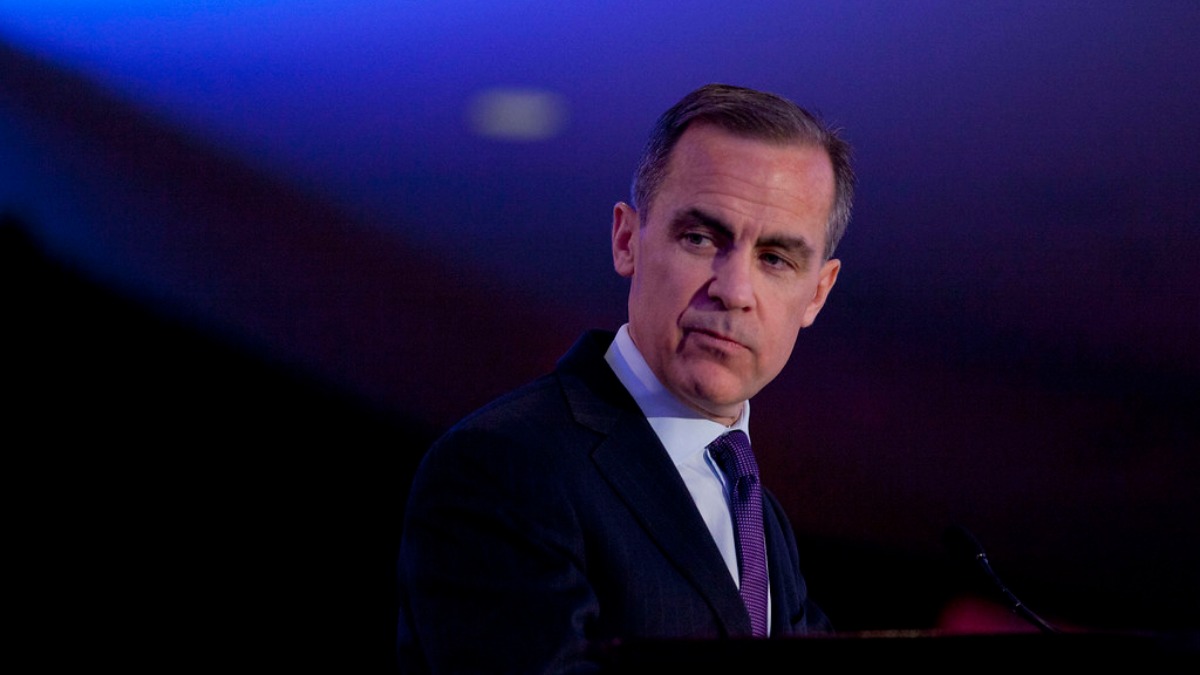
Canada just dropped a financial nuke on its economic dependence with a new $18 billion sovereign wealth fund, and Wall Street is already feeling the heat. Prime Minister Mark Carney announced the Canada Strong Fund this week, a government-owned investment vehicle designed to pump money into energy, infrastructure, mining, agriculture, and tech projects across the country.
According to the BBC, the initial war chest is set at C$25 billion ($18.4 billion), and while the fund is framed as a way to build “nation-building projects” like port upgrades and natural resource development, the real target is clear: breaking free from Donald Trump’s economic bullying.
Carney didn’t mince words during the announcement in Ottawa on April 27, 2026. “The US has changed, that’s their right,” he said. “And we are responding, that’s our imperative.”
The fund isn’t just about diversifying Canada’s economy
It’s a direct response to tariff threats and economic coercion that have left Canadian industries, particularly auto and steel workers, scrambling. The PM made it clear that Canada can’t rely on its southern neighbor anymore, and this fund is the first major step toward self-sufficiency.
The Canada Strong Fund is a first for the country, and it’s already drawing comparisons to sovereign wealth funds in Norway, Singapore, and Saudi Arabia. But there’s a key difference: those countries fund their investments with budget surpluses, often from oil revenues. Canada, on the other hand, is running a deficit.
That’s got critics like Conservative Leader Pierre Poilievre crying foul. “Norway, Singapore and Saudi Arabia run big budget surpluses which they accumulate and put into their sovereign wealth funds,” Poilievre said. “Carney has no surplus, and therefore no wealth to put in such a fund.” He went further, calling it a “sovereign debt fund” and questioning why the government needs to fund projects that should have a business case on their own.
Carney pushed back, arguing that Canada’s financial position has improved and the deficit is lower than expected. He also pointed to a surge in foreign investment, claiming it’s “outpacing all other major economies right now.” But the Montreal Economic Institute isn’t buying it. In a statement, the think tank warned that the fund “risks costing taxpayers dearly while generating limited returns.”
That’s a concern for everyday Canadians, especially since the fund will allow them to invest directly – a feature that doesn’t exist in other sovereign wealth funds. If returns are weak, it’s not just the government’s money on the line.
The fund’s structure is still being hashed out. But the timing isn’t accidental
Canada’s relationship with the US has been deteriorating, and Carney has been vocal about the need to diversify. Recently, he called Canada’s economic dependence on the US a “weakness that must be corrected.” The world, he said, is “more dangerous and divided,” and the US has “fundamentally changed its approach to trade, raising its tariffs to levels last seen during the Great Depression.”
Those tariffs have hit Canadian workers hard, and businesses are holding back on investments due to the “pall of uncertainty” hanging over the economy. Carney’s frustration isn’t new. Back in January, he took a shot at economic coercion during a speech at the World Economic Forum in Davos, earning praise from some and a sharp rebuke from Trump. “Canada lives because of the United States,” Trump fired back. “Remember that, Mark, the next time you make your statements.” But Carney isn’t backing down.
Carney made it clear that hoping the US will “return to normal” isn’t a strategy. “Hope isn’t a plan and nostalgia is not a strategy,” he said. Instead, he’s pushing for Canada to take control of its own future, whether that means attracting new investments, doubling clean energy capacity, or reducing trade barriers within the country.
The Canada Strong Fund is a bold move, but it’s not without risks
Norway’s sovereign wealth fund, launched in 1990, has grown to a staggering $2.1 trillion by investing oil revenues outside the country. Canada, with the third-largest oil reserves in the world, could theoretically follow a similar path, but it’s starting from a deficit, not a surplus.
Joseph Steinberg, an economics professor at the University of Toronto, told the BBC that sovereign wealth funds are typically “vehicles for countries that generate a lot of income from publicly-owned assets, and this is almost always oil wealth.” Canada’s approach is different. Instead of investing abroad, the fund will mostly focus on domestic projects, which could limit its growth potential.
The opposition is already framing this as a gamble, with Poilievre questioning why the government needs to fund projects that should attract private investment on their own. “If a project has a business case, why would the government need to fund it?” he asked. It’s a fair question, and one Carney will need to answer as the fund takes shape.
But Carney isn’t just playing defense. He’s also touting Canada’s recent economic wins, including increased defense spending, tax reductions, and efforts to make housing more affordable. The goal is to build a “stronger country that can withstand disruptions from abroad,” and the Canada Strong Fund is a cornerstone of that plan.
(Featured image: Bank of England)
Have a tip we should know? [email protected]
Follow The Mary Sue:
