


Louisiana Girl Hospitalized With Rare ‘Brain-Eating’ Amoeba Infection After Swimming in Lake: ‘97% Fatal’
Her family is asking for prayers.
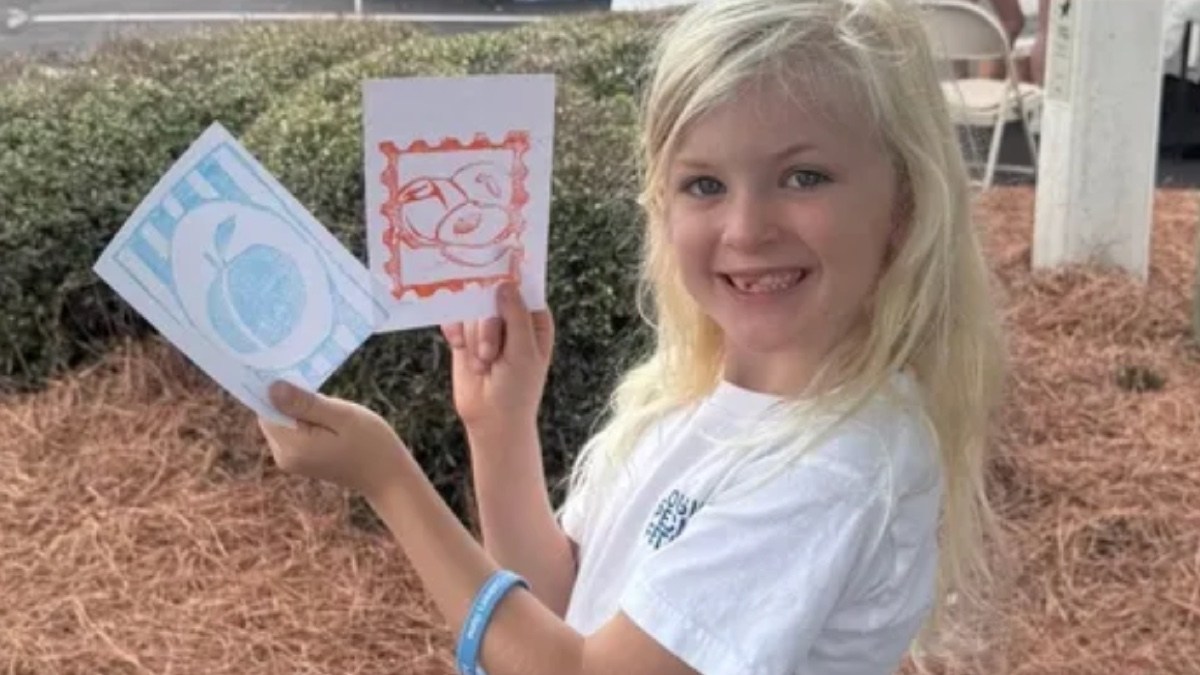
A child has been hospitalized with a rare Naegleria fowleri infection. Health officials reported that she most likely contracted the illness while swimming in Lake Claiborne in north-central Louisiana. The Louisiana Department of Health (LDH) confirmed the infection in an August 19, 2026, health advisory.
LDH stated that the state resident likely acquired the infection shortly before becoming ill after recreational freshwater exposure. Local media, including the Ruston Daily Leader, later identified the patient as 7-year-old Lillian Smart of Ruston, Louisiana, citing multiple family and community social media posts.
Smart’s mother, Rebecca Smart, and her father, Daniel, asked for community prayers for their daughter’s recovery. Doctors admitted Smart to the pediatric intensive care unit (PICU) at Willis-Knighton South in Shreveport, Louisiana.
It Started With a High Fever.
Lillian first developed a high fever with listlessness and fatigue. Initial diagnostic panels returned negative for common viral and bacterial illnesses. Her symptoms progressed to double vision and unequal pupils, prompting her family to seek emergency care in Shreveport, where doctors initially treated her for suspected bacterial meningitis.
Subsequent testing confirmed the diagnosis of Primary Amebic Meningoencephalitis (PAM) caused by Naegleria fowleri. Because early signs closely mimic bacterial meningitis, rapid identification is crucial. After doctors confirmed the infection, the CDC flew an eight-drug anti-amoebic treatment regimen from its Atlanta headquarters to the hospital, where doctors began targeted therapy.
Naegleria Fowleri: The Brain-Eating Amoeba
Naegleria fowleri is a microscopic, free-living amoeba commonly found in warm freshwater environments, such as lakes, rivers, ponds, and hot springs. People often call it the “brain-eating amoeba” because it destroys brain tissue. The organism infects individuals when contaminated water rushes forcibly up the nose, allowing the amoeba to migrate along the olfactory nerve into the brain.
According to the CDC, infections do not occur from swallowing contaminated water, and the amoeba cannot be transmitted from person to person. The organism does not survive in salt water or in properly treated and chlorinated swimming pools.
PAM remains an extremely rare disease, but it carries a case fatality rate greater than 97%. CDC Data on Naegleria fowler record 180 total U.S. PAM cases from 1937 through 2025, with only four documented survivors in the United States. Before this case, Louisiana accounted for three recorded cases during that same multi-decade period, making this incident the state’s fourth reported case.
The LDH highlights that Naegleria fowleri thrives during periods of extended extreme heat, which elevate water temperatures and lower water levels in natural bodies of water. To reduce infection risks during warmer months, public health officials advise recreational swimmers to keep their heads above water, wear nose clips or pinch their nostrils closed when jumping into warm fresh water, and avoid stirring up sediment in shallow, warm freshwater areas.
A GoFundMe campaign has also been established to help Smart’s family. She remains hospitalized while battling the infection, according to the Ruston Daily Leader. The fundraiser aims to help ease the family’s financial burden during the medical crisis. Community members have organized additional fundraisers and events to support Lillian and her family.
In another amoeba infection-related story, a TikTok creator recently reported she showered with contacts. She said doing so caused an equally rare Acanthamoeba Keratitis infection in her eye.
Have a tip we should know? [email protected]
Follow The Mary Sue:
