


This Kansas Organization Is Addressing Rising Food Costs and the Lack of Fresh Produce by Handing Out Container Gardens
This Kansas Organization Is Fighting Food Insecurity One Container Garden at a Time
Buying groceries is difficult for many people these days, as food costs continue to rise due to tariffs, climate change, and the war in Iran. However, for those on limited incomes, the problem becomes even worse, especially when it comes to obtaining fresh produce.
One Kansas organization, though, has taken steps to address this lack of access by distributing container gardens for fruits and vegetables to residents. Because container gardens consist only of plants grown in containers, even those with little space to spare at home can still grow their own produce.
In this way, healthy eating and well-being are promoted, and people also save money they would otherwise have spent on food.
A Small Container Gardens Program With Big Results
Food insecurity in the United States is significant. According to Feeding America, approximately 48 million people — including 14 million children — experience it each year. At the same time, millions more who do not meet the definition of food insecurity still must rely on food pantries and charities to get by.
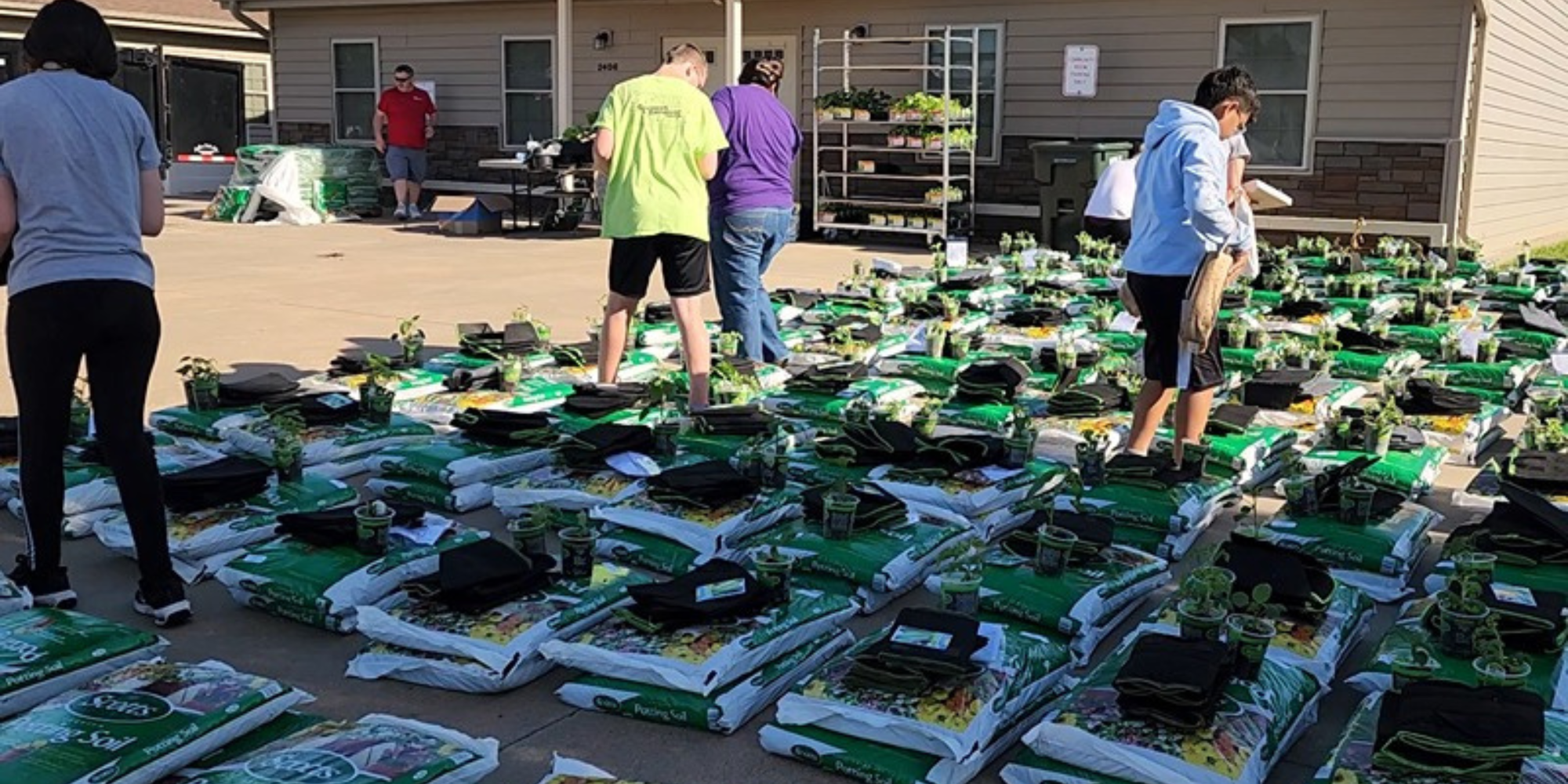
The Central Kansas Partnership, using a grant from the Kansas Health Foundation and the state’s COPE Initiative, maintained by The University of Kansas Medical Center, handed out over 100 container gardens to low-income families and seniors to help combat food insecurity. Also supporting this program were Bonnie Plants, which donated over 250 plants to the gardens, and Sutherlands, which donated potting soil.
The container gardens handed out included not only the containers to hold plants, but also potting soil and fruit and veggie plants. The plants varied in type, including blueberries, tomatoes, raspberries, peppers, green beans, lettuce, cucumbers, and onions.
The Central Kansas Partnership COPE Taskforce identified families and individuals who this program could significantly help, while volunteers helped with sign-ups and the distribution of the container gardens.
Why More Programs Like This One Are Needed
While 100 container gardens might not seem like a significant number, they’ll offer plenty of benefits to the people who obtained them.
Not only will those who received these gardens always have at least some food on hand while their plants are in bloom, but access to fresh produce also provides numerous health benefits, such as chronic illness prevention and improved brain health. Additionally, studies have shown that gardening can improve mental and physical health.
As the President of the Central Kansas Partnership, Callie Miller, explained to Ad Astra Radio, “This project not only helps address food insecurity, but also encourages healthy habits, physical activity, and the mental health benefits that come from growing something of your own. It aligns perfectly with our mission of promoting healthy attitudes and behaviors while building healthier, more caring communities.”
The community response to the container garden program was overwhelmingly positive. More residents want to participate, so the Central Kansas Partnership hopes to offer the project again in the future, at least once or twice a year. Of course, that depends primarily on funding and community support, but programs like this one are a small but vital way to ensure greater food security.
(feature image: Central Kansas Partnership)
Have a tip we should know? [email protected]