


New report confirms over one-third of these tiny terrors are ready to unleash a nightmare with a single bite
Dynamite in a small package.
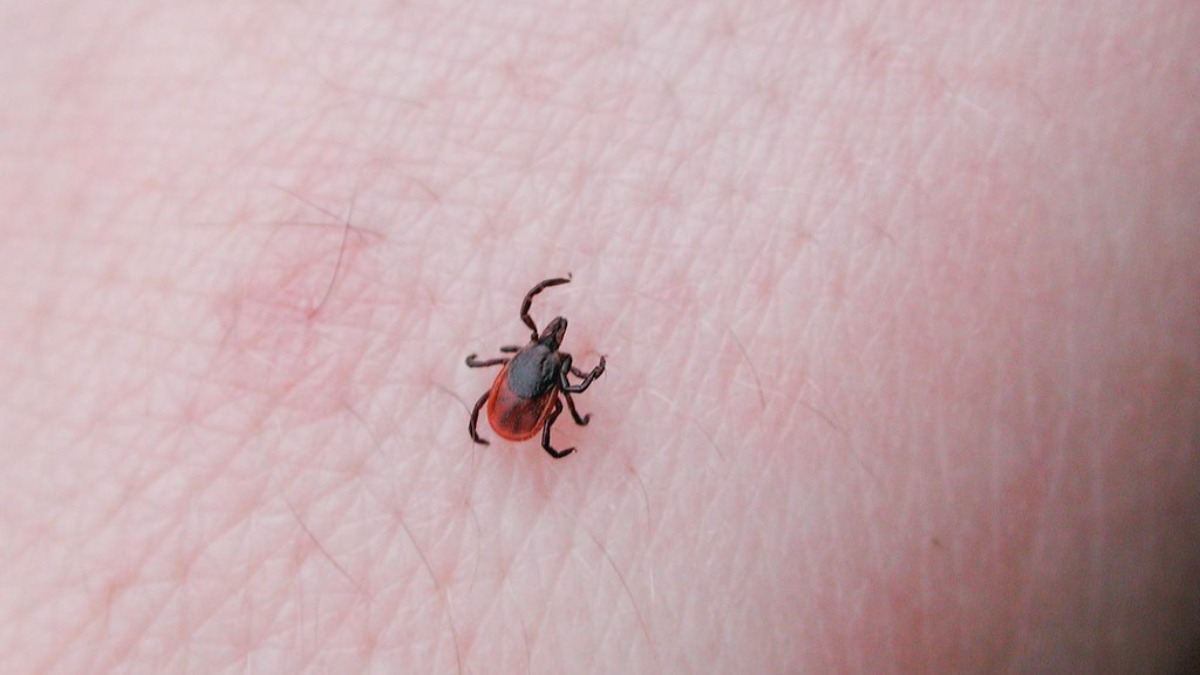
A new long-term analysis has confirmed that ticks carrying multiple potentially fatal diseases are becoming increasingly common across the northeastern US, raising some serious public health concerns. This isn’t just about single infections anymore; researchers are finding a growing number of blacklegged ticks, popularly known as deer ticks, are infected with several disease-causing pathogens at once.
According to Newsweek, this concerning news comes from nearly a decade of tick surveillance led by Cary Institute of Ecosystem Studies disease ecologist Shannon LaDeau. Her team worked in partnership with the SUNY Center for Vector-Borne Diseases at Upstate Medical University. The findings point to a much more complex and potentially dangerous landscape for tick-borne diseases, especially because different infections need entirely different treatments.
The study focused on nymphal ticks. These are at the immature life stage, and the ones most likely to transmit disease to humans. Their minuscule size makes them incredibly hard to spot. Plus, they’re most active in spring and early summer when people are itching to get outside. The researchers screened over 2,000 blacklegged ticks for 16 different pathogens, collecting them between 2014 and 2022 from forested research plots in Dutchess County, New York.
This is a warning for anyone who loves hiking or just spending time outdoors
One of the biggest takeaways from this research is the alarming rise in co-infections. Roughly one in ten nymphal ticks tested positive for at least two disease-causing pathogens. By the end of the study period, co-infections were approaching 11% of the sampled ticks, which is higher than researchers initially expected based on previous work. “Overall, it’s a concerning co-infection rate that has been increasing over time,” LaDeau said.
The most common pairing they found was Borrelia burgdorferi, the nasty bacterium that causes Lyme disease, and Babesia microti, a parasite responsible for babesiosis, which is a malaria-like illness. It’s a particularly bad combo because co-infection with these two pathogens happened more frequently than you’d expect by pure chance.
This overlap has huge medical implications since Lyme disease typically gets treated with antibiotics like doxycycline, while babesiosis needs antiparasitic medications. If healthcare providers miss one infection, patients might not fully respond to treatment. Overall, the data showed that more than 38% of the nymphal ticks tested were capable of transmitting at least one serious disease-causing pathogen to people.
Babesia microti was actually the most commonly detected pathogen, showing up in over 21%of ticks. Babesiosis can hit you with fever, chills, sweating, fatigue, muscle pain, and even anemia. While some cases are mild, it can turn severe or even fatal, particularly for older adults or those with compromised immune systems. The prevalence of Babesia was notably higher than past estimates, which had placed it below 10%.
Meanwhile, Borrelia burgdorferi was found in 19.3% of nymphal ticks. This pathogen was the only one detected at every study site and in every year of sampling. The researchers also noted that Lyme disease risk is definitely increasing, with the odds of a nymphal tick carrying B. burgdorferi rising by an average of 5.7% each year over the study period.
They also spotted several other pathogens at lower levels. Anaplasma phagocytophilum, which causes anaplasmosis and can lead to severe complications if left untreated, was found in about 5.8% of ticks per year. The study also found that Borrelia miyamotoi, the cause of Hard Tick Relapsing Fever, appeared in roughly 2% of ticks annually.
“The probability of being exposed to a pathogen by a single bite from a nymphal tick is approaching 40%,” coauthor Richard Ostfeld, a disease ecologist at Cary Institute, added. “That seems uncomfortably high.” Ostfeld also pointed out that these ticks are so small, most people don’t even realize when one is feeding on them.
Given these findings, LaDeau emphasized that healthcare workers should really be on the lookout for rising co-infection risks. She also shared some crucial advice for those who love the outdoors in the Northeast: “As a general rule, if the ground is not freezing, it’s a good idea to take precautions to avoid tick bites. Prevention is key.”
Have a tip we should know? [email protected]
Follow The Mary Sue:
