



“Wuthering Heights” Is Criticized For How Different It Is From the Book. So What Are Those Differences?

The new Wuthering Heights adaptation starring Margot Robbie and Jacob Elordi has received mixed reviews from critics, and the fundamental deviations from Emily Brontë’s timeless classic is being cited as the key reason for why Emerald Fennell’s period drama fails to stick the landing.
The 2026 version reads like an entirely different version of the story, one packed with so much sexual tension and explicit physicality that it transforms the Gothic piece into an erotic spectacle, the kind you might find in live-action adaptations of romantasy books rather than one of the greatest novels of the English language on class differences, moral complexity, and the destructive cycles of revenge and obsession.
The characters undergo different arcs, the tone has shifted from a multi-generational tragedy to a tale of passion, and the overall vibe is ahistorical, whether we’re talking about the costumes and sets or the characters and their dialogue.
Fennell herself has made it clear that she wanted to distance her version from Brontë’s original, noting that even the quotations marks in the title imply this is only a take on Wuthering Heights and not a faithful adaptation.
The director says she wanted to make something that made her feel what she felt when reading the novel at age 14, which is probably why the Margot Robbie-led flick comes across as unfulfilled, overwrought, and exaggerated.
But in case you want a more thorough comparison between the original and this new film, here’s a comprehensive rundown of all the changes.
WARNING: The following paragraphs spoil plot details from Wuthering Heights and discuss its ending. Read ahead at your own discretion.
The plot has completely changed

The entire second section of Wuthering Heights, which deals with the aftermath of Cathy’s death and includes both Cathy and Heathcliff’s children, has been removed, reducing the essence of the novel’s multi-generational structure to a simple story of unsatisfied love.
Fennell has also completely eliminated Hindley Earnshaw—one of the prominent protagonists in the book—and given his narrative beats to Mr. Earnshaw, making parental abuse the central wound rather than sibling rivalry.
Indeed, Mr. Earnshaw’s fondness for both Heathcliff and Catherine is nowhere to be seen in the film, but his abusive behavior towards them ends up as a catalyst to their sadomasochistic, BDSM-inspired relationship later on. (We’ll get to that in a minute.)
The absence of Hareton and Cathy strips away one of the novel’s core ideas, which is redemption through the next generation. This was one of the few sources of solace in Brontë’s otherwise grim tale, and its exclusion, even in the context of Fennell’s unique take, makes the story feel incomplete.
The explicit sexual content
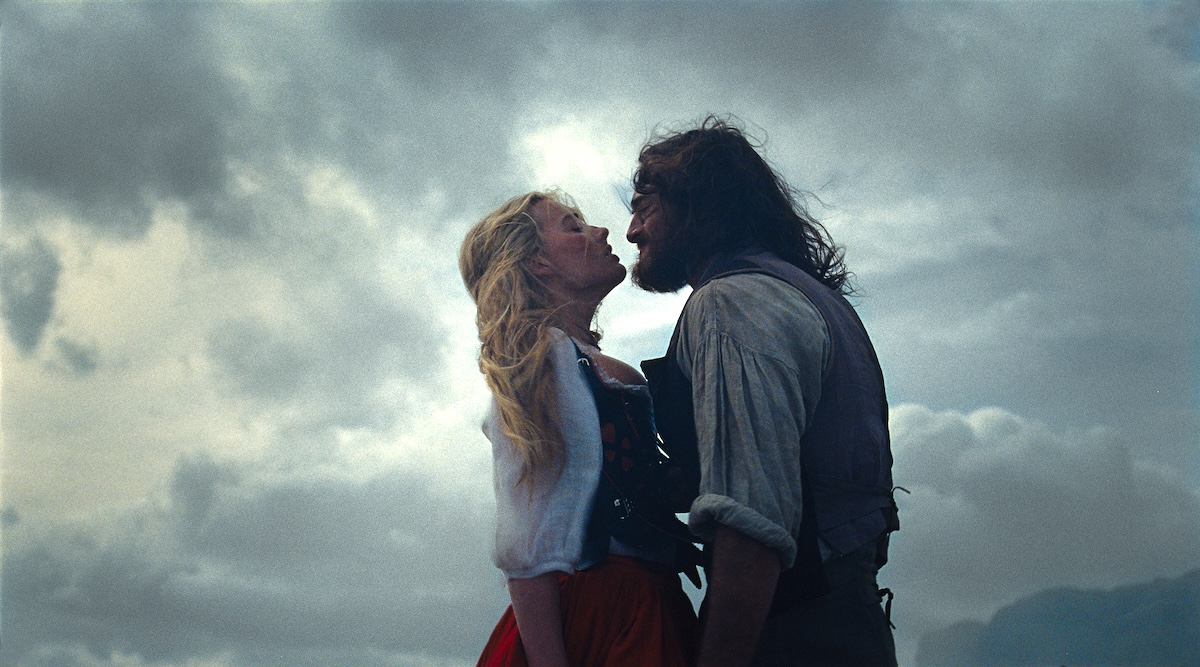
There’s a heavy focus on Catherine and Heathcliff’s sexual affair, revolving around BDSM dynamics. The film extends this sexualized lens to Isabella’s storyline, transforming her from an abuse victim into an enthusiastic participant in pet play interactions, which critics argue sanitizes the novel’s unflinching portrayal of Heathcliff’s violence.
“With Wuthering Heights, as a 14-year-old and as a 40-year-old, I’ve needed the characters to be able to express their love,” Emerald Fennell said in a chat with Interview magazine.
But the problem is that what Fennell frames as characters expressing love is what Brontë depicted as control, cruelty, and obsession. In the novel, Heathcliff isolates Isabella, kills her dog, and subjects her to physical and emotional abuse. She’s an 18-year-old trapped in a nightmare who eventually flees while pregnant. By reimagining this as consensual kink where Isabella willingly delights in degradation, the film doesn’t just soften Heathcliff’s monstrousness; it erases one of the book’s most harrowing examples of how abuse perpetuates across relationships.
Character age and appearance changes
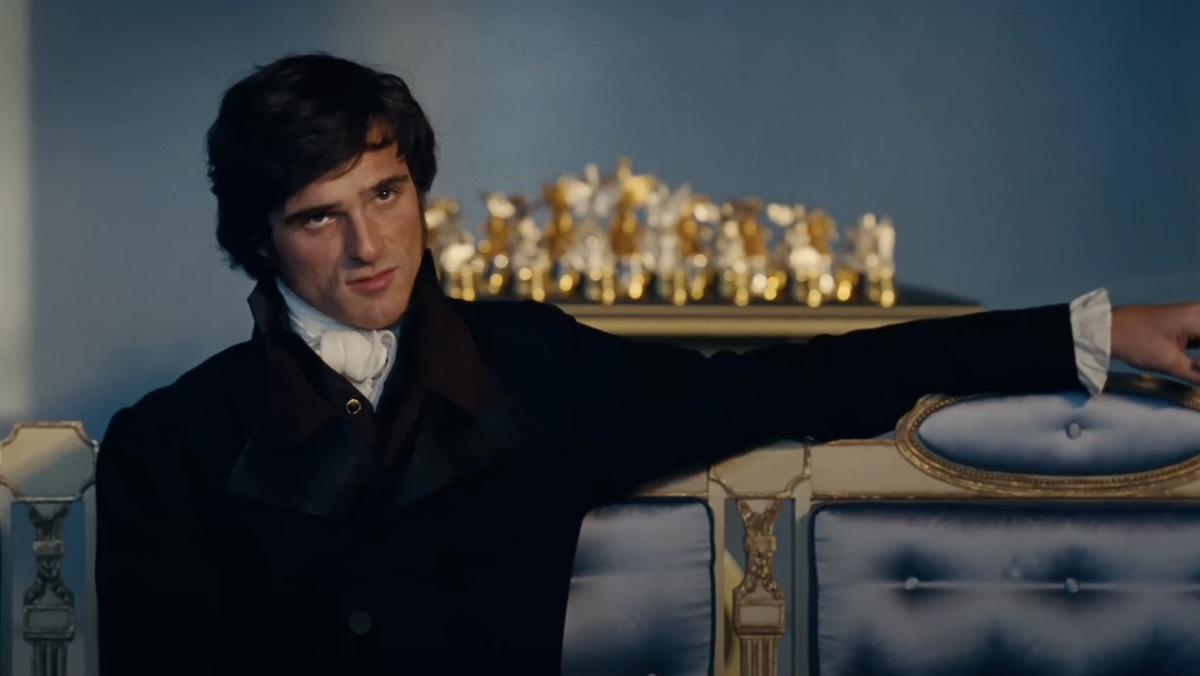
Margot Robbie is playing a character intended to be in her early to mid-20s. In the books, Catherine is only 15 when she accepts Edgar’s proposal and 18 when she dies. Heathcliff is also much older. Jacob Elordi is 28, but the book Heathcliff is believed to be in his teens when he leaves and returns.
More importantly however is the change to their respective appearances. Book Catherine has brown hair and wishes for light hair and fair skin. Margot Robbie, meanwhile, has naturally blonde hair, fair complexion, and light blue-green eyes. The Heathcliff situation is even worse. The book describes him as “dark-skinned” with undetermined non-white origins, and that helps set up his character arc as a marginalized individual, but Elordi is a white actor, fundamentally diminishing the character’s social dimension.
Anachronistic style and tonal shifts
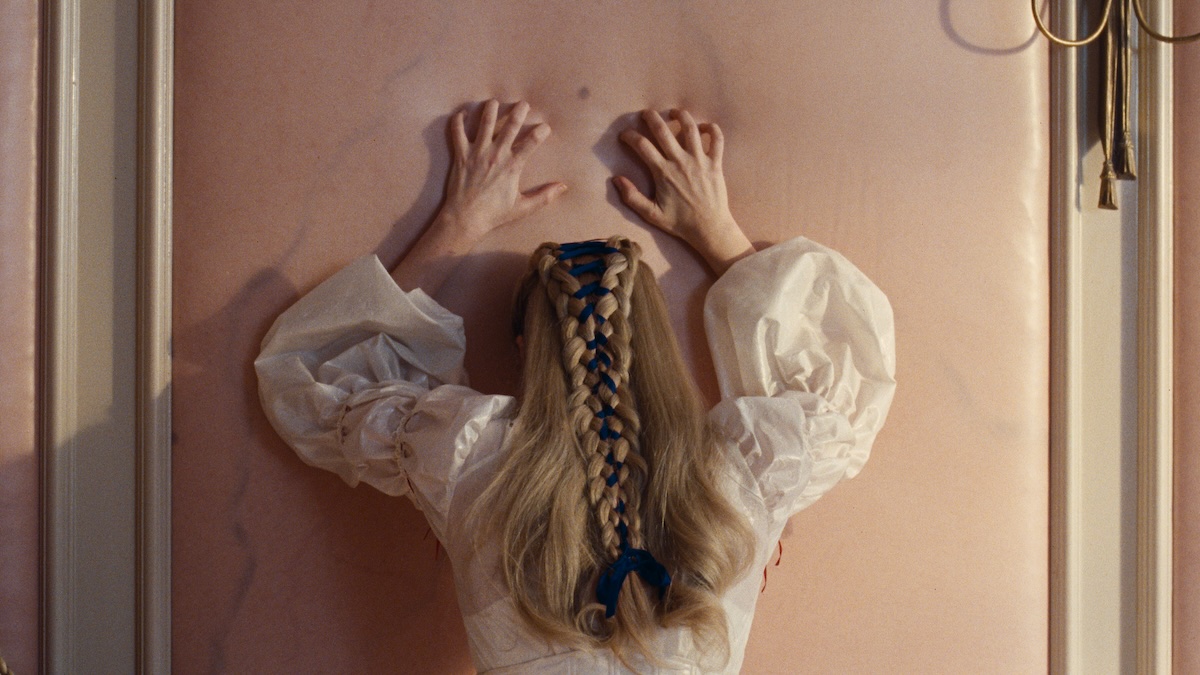
Fennell’s Wuthering Heights features contemporary soundtrack and moody pop songs by Charli xcx, contributing to the director’s attempt to create deliberate anachronism with the period. What that is supposed to achieve is anyone’s guess, but the intended effect can’t possibly be your suspension of disbelief.
The costumes and sets are also not accurate. Margot Robbie’s Catherine can be seen in outfits that put modern fashion designers to shame, making you wonder if the movie industry has made so few period dramas in recent years that they’ve completely forgotten how to make the illusion stick.
The promotion campaign dubs the movie the “greatest love story of all time,” but that profoundly misrepresents the author’s handling of such important themes as toxic obsession, control, power fantasies, and revenge. And the fact that Heathcliff’s cruelty has been cushioned by Hollywood’s usual theatrics might just be Fennell’s worst creative decision.
Many reviewers say this might be the most reductive take on Wuthering Heights ever made, flattening the story’s emotional intensity and moral complexity into primarily a romance tale—and not a very good one, either.
Watching the movie feels like Fennell read Wuthering Heights, suddenly had the brilliant idea that it was basically Fifty Shades of Grey in Victorian era disguise, and tried to convince the rest of the world that all those literary critics who spent 175 years analyzing the novel’s Gothic themes, class warfare, and generational trauma just missed the obvious: all this time, it was actually about really hot people who need to get down to business without worrying about the societal restrictions of the period.
Emily Brontë wrote a novel so disturbing that Victorian critics were appalled. Emerald Fennell made a movie so sanitized that even the violence comes with a safe word.
(featured image: Warner Bros.)
Have a tip we should know? [email protected]
Follow The Mary Sue:
