


Robert F. Kennedy Jr. announces U.S. departure from the World Health Organisation and calls it ‘independence’
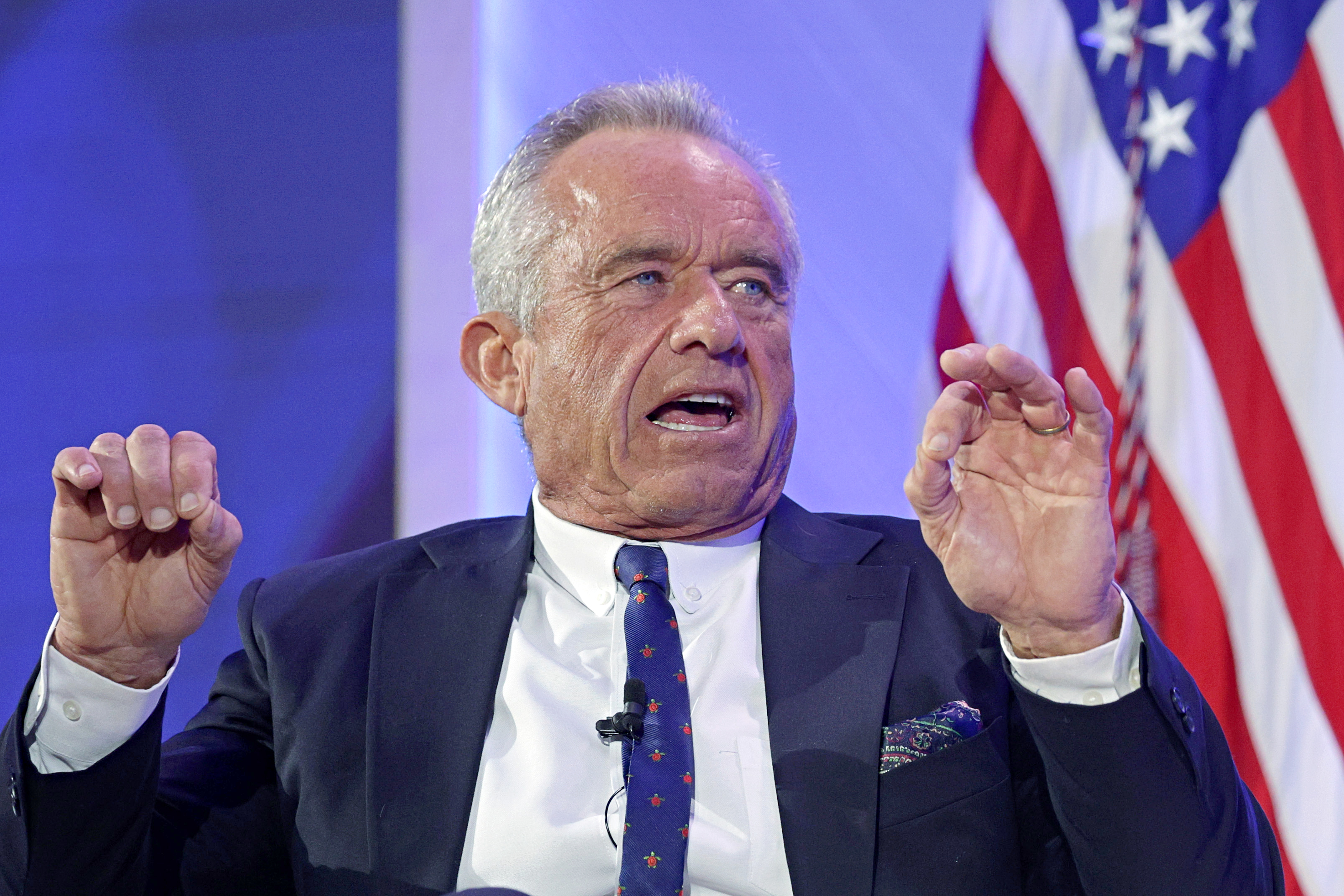
On Jan. 23, 2026, U.S. Health and Human Services Secretary Robert F. Kennedy Jr. posted a video on X announcing that the U.S. had formally completed its withdrawal from the World Health Organization (WHO). Weirdly enough, he framed the decision as a move to “reclaim our independence.”
The Thursday move finalized a process initiated nearly a year earlier by President Donald Trump. Under WHO rules, a member state’s exit requires a one-year notice period, which the Trump administration triggered in early 2025. On Jan. 22, 2026, the U.S. government formally notified the WHO that the withdrawal process had concluded, ending U.S. funding, personnel participation, and governance involvement.
But in his video statement, Kennedy framed the decision as a reclamation of sovereignty. He declared that the U.S. was leaving the WHO to “reclaim our independence” and free American public health policy from foreign bureaucracy and international power politics. Kennedy also argued that the organization no longer serves the American people and has drifted far from its original mission.
The World Health Organization has lost its way. It’s drifted far from its founding mission, and it’s become mired in bureaucracy, in conflicts of interest, and in international power politics.
Kennedy blames the WHO for COVID failures
He placed much of the blame on the WHO’s handling of the COVID-19 pandemic, calling its failures “deadly.” He accused the organization of collapsing transparency and accountability during the crisis and claimed those systemic issues remain unresolved. The argument closely mirrors critiques Trump made during his first presidency, now revived as justification for a permanent break.
Kennedy emphasized that Trump had “recognized the problems immediately,” pointing to the withdrawal order as one of the first executive actions of Trump’s second term. He described the move as a “decisive signal” that American health policy would answer only to Americans, not to “unelected foreign officials.”
The HHS secretary insisted that leaving the WHO would not weaken U.S. health security. Instead, he claimed the administration has strengthened biosecurity, disease surveillance, outbreak preparedness, and rapid-response capabilities domestically. But only three months ago, the Trump administration fired dozens of employees at the Centers for Disease Control and Prevention. Yet, Kennedy asserts that the United States “doesn’t need outside institutions” to protect its population.
Director-General calls the reasons cited by the Trump administration for the exit ‘untrue.’
As part of the withdrawal, Kennedy also confirmed that all U.S. funding to the WHO has ended and that all U.S. government personnel have ceased working with the organization. Future engagement, he said, would be limited solely to completing administrative withdrawal steps and protecting American citizens abroad. Predictably, the announcement was immediately controversial.
Public health experts have repeatedly warned that the WHO functions as the world’s central hub for disease surveillance, data sharing, vaccine coordination, and outbreak alerts. The U.S. has historically relied on these systems, even while being critical of WHO leadership. The exit now risks isolating the U.S. during future global health emergencies.
WHO leadership has rejected the Trump administration’s claims outright. Director-General Tedros Adhanom Ghebreyesus has publicly stated that the reasons given for withdrawal are “untrue” (via Arab News). He warned that the decision could make both the world and the United States less safe, not more. On top of it, unresolved legal and financial questions also loom over the decision.
WHO officials have noted that the U.S. still owes hundreds of millions of dollars, roughly $260-$280 million in outstanding dues (via WHO). This raises uncertainty over whether the withdrawal will be fully recognized until those obligations are settled. But Kennedy did not address these details in his video. Instead, he closed his message by reframing the move as moral vindication.
He dedicated the decision to Americans who died in nursing homes during the pandemic, families harmed by lockdowns, and businesses destroyed by public health mandates. The focus was on portraying WHO not as a flawed institution, but as an unaccountable force imposed on Americans from abroad.
“America will never withdraw from its leadership in global health,” Kennedy declared, even as the U.S. walked away from the world’s largest global health body. Whether that leadership can exist without the institutions it helped build is a question the administration left unanswered.
Have a tip we should know? [email protected]
Follow The Mary Sue:
