


The 10 Best Queer Horror Movies of All Time
The sound of crazed screaming. The smell of adrenaline-induced sweat. The sight of black leather splattered with blood. Am I describing a horror movie, or the greatest queer underground rave of all time? Maybe a little bit of both! Horror and sexuality have always been intertwined; no one understands this more than the luminaries responsible for these all-time queer greats. After all, what’s campier than blood and body parts flying around? According to these films, nothing! In celebration of the subgenre, here are the 10 best queer horror films of all time.
I Saw The TV Glow

Directed by Jane Schoenbrun, I Saw The TV Glow is a masterclass in queer coming-of-age terror. Beginning in the 1990s, the film follows ostracized teens Owen and Maddy, who bond over their mutual love of a late-night TV series called The Pink Opaque. After Maddy inexplicably disappears without a trace, Owen is forced to return to a boring, humdrum life—until Maddy returns to town almost a decade later. She’s convinced that their favorite TV show was more fact than fiction, and that the past happened differently than they remember, and that their present existence is a lie. In a stellar send-up of the “bury your gays” trope, Maddy tells Owen that the only way they can discover the truth is by burying themselves alive. A nostalgia-drenched trans allegory, I Saw The TV Glow is about the terrifying choice that genderqueer people are forced to make: live authentically in a queer-hostile world, or dig a grave for their true selves and conform. According to I Saw The TV Glow, the latter choice is where the true horror lies.
Titane
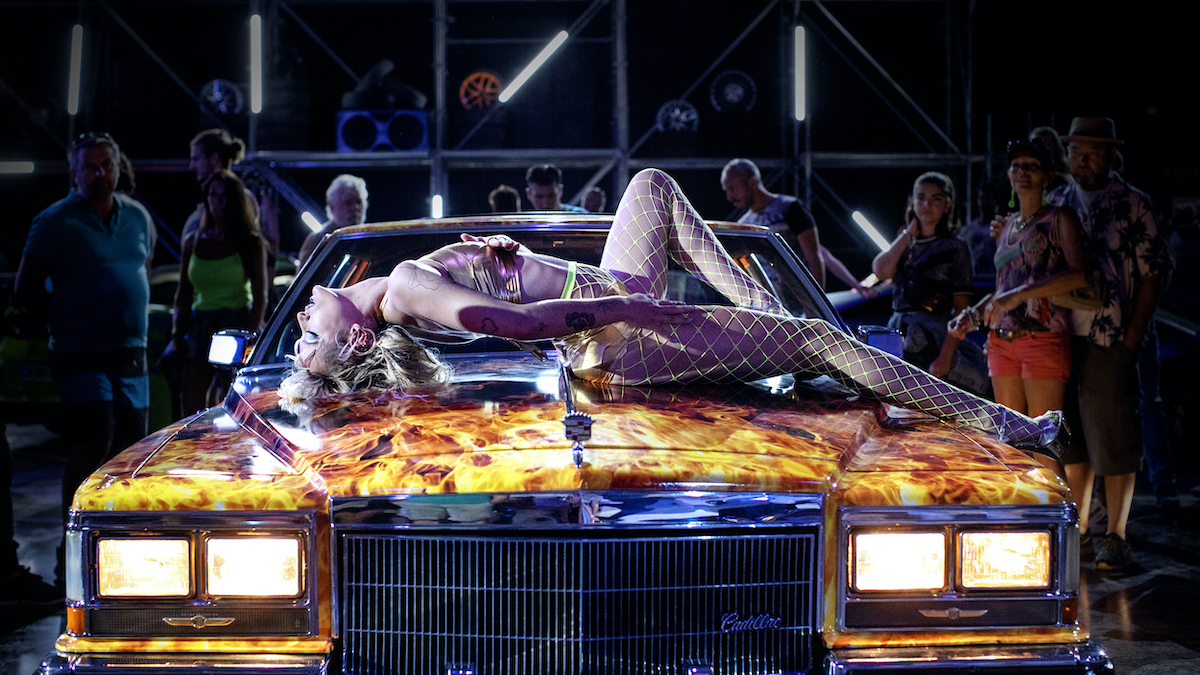
Directed by Julia Ducournau, Titane tells the story of Alexia, a woman with a penchant for killer cars and killing people. After a childhood injury left her skull fitted with a metal plate, Alexia developed an erotic fixation for all things vehicular. Now she makes a living as a car model to support her real passion: serial murder. After a night spent giving way to her most violent impulses, Alexia is forced to go on the run—disguising herself as the long-lost son of a grieving fireman. Titane is a parable about the horror of conformity, or in Alexia’s case, the complete inability to fit in. She is a machine that wasn’t designed to function in the modern-day social landscape, her desires deemed too strange, too grotesque, too far from the norm. In a world that demonizes people for their desires, I’m sure many queer viewers can relate.
Climax
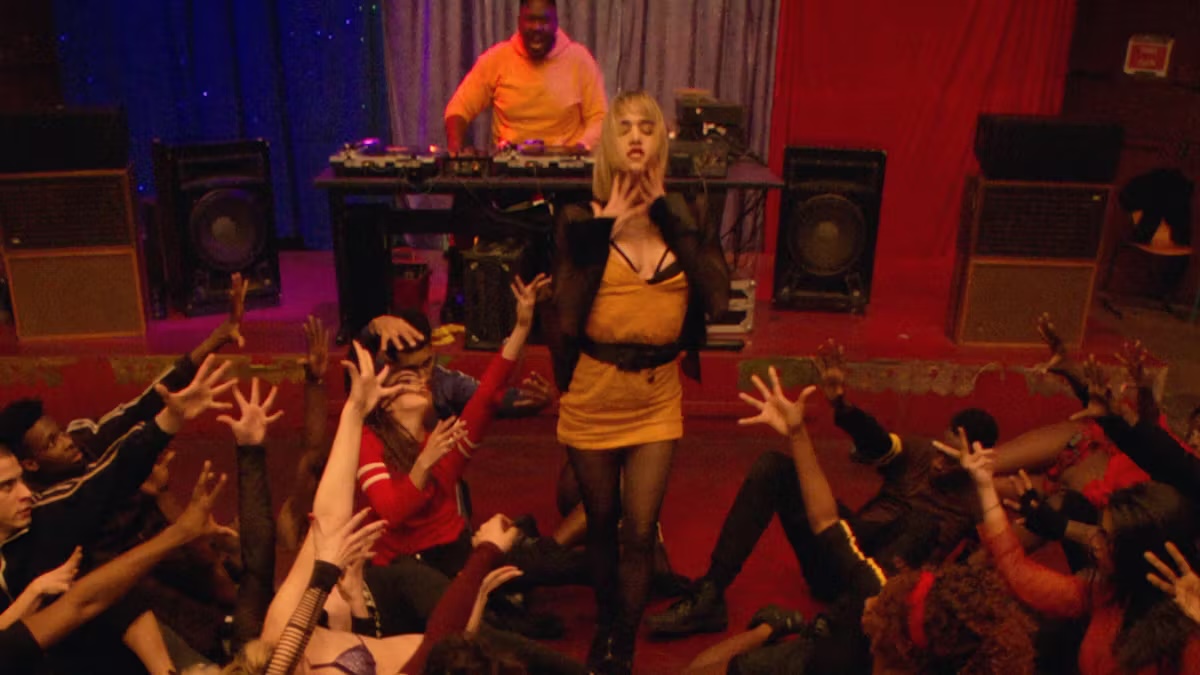
A poster child of New French Extremity, Gasper Noe’s Climax is one of the movement’s finest films. Defined by their extremity and transgressiveness, works of New French Extremity are certain to resonate with queer viewers—queerness itself has been historically (and often unfairly) defined in similar terms. Climax follows a dance troupe practicing for an upcoming performance, their moving bodies heating up the warehouse rehearsal space despite the freezing temperatures outside. After someone spikes the sangria with LSD at the afterparty, all hell breaks loose, and the trapped dancers soon let their most psychotic impulses run wild. Ballroom vogue performed under the influence of nightmare-inducing hallucinogens, Climax queer horror greatness.
Let The Right One In

One of the greatest queer coming-of-age stories ever told, Tomas Alfredson’s Let The Right One In is about a bullied 12-year-old named Oskar and his new next-door neighbor Eli, a mysterious child who only comes out at night. As exsanguinated bodies begin to pile up across the working-class Swedish suburbs, Oskar suspects that his new best friend might be a bloodsucking killer. Considering she’s the only person on Earth who treats him kindly, it’s safe to say he doesn’t mind at all. A cautionary tale, the film warns the viewer to choose their close relationships with care. Neglected by their caretakers and ostracized by their peers, Oskar and Eli are forced to choose one another—and their lives become all the more messy and beautiful for it.
Jennifer’s Body

Directed by Karyn Kusama, Jennifer’s Body is a sapphic classic that doubles as a PSA about why you should never trust indie bands. After being ritually sacrificed by a Strokes knock-off in exchange for fame, Jennifer Check returns to her high school with a newfound appetite for human flesh. As the increasingly popular Jennifer’s dance card fills up, students begin disappearing, and her demure best friend Anita “Needy” Lesnicki is beginning to get worried (and a little aroused). The film is an exploration of the all-too-relatable queer milestone of falling in love with your best friend, despite them not being a good match for you. Considering Jennifer is now a cannibalistic demon, I don’t think she’s a good match for anyone.
Knife + Heart
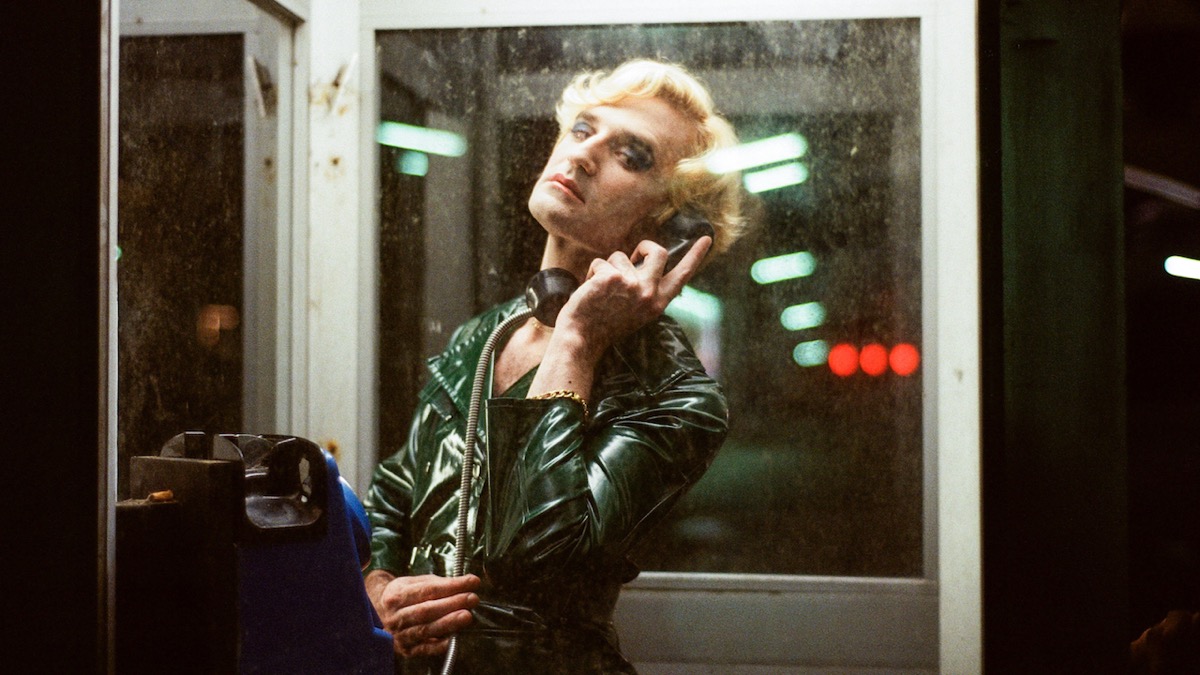
Directed by Yann Gonzalez, Knife + Heart is the story of Anne, a gay porn director who finds out that one of her star actors has been murdered. Reeling from a breakup with her partner, Anne uses the killing as much-needed fuel for her creative process, inspiring her to make a porn film about the crime. Undaunted by the piling-up bodies of her cast members, Anne continues to pursue her art, her ex, and the killer’s true identity all at the same time. Knife + Heart is a film about desire in all its forms—from creative impulse to sexual urge—as well as a warning about what happens when that desire is left unfulfilled. If you’ve ever fantasized about a film where a leather daddy unironically uses a knife-dildo as a murder weapon, then Knife + Heart is a gory dream come true.
Thelma

Directed by Joachim Trier, Thelma is essentially Swedish Carrie—it’s as good as it sounds. The plot follows the titular young woman as she develops telekinetic powers, the kind that her fundamentalist Christian family would certainly chalk up to demonic possession. Unable to deal with the religious guilt after falling for a fellow student named Anja, Thelma inadvertently uses her newfound abilities to make Anja disappear from existence. Horrified by a lifetime of misunderstood power, Thelma frantically attempts to make sense of her childhood memories to get a grip on the present. A queer coming-of-age parable, Thelma unpacks the instability that comes with sexual awakening—a terror that can cause a person to question their entire reality.
Black Swan
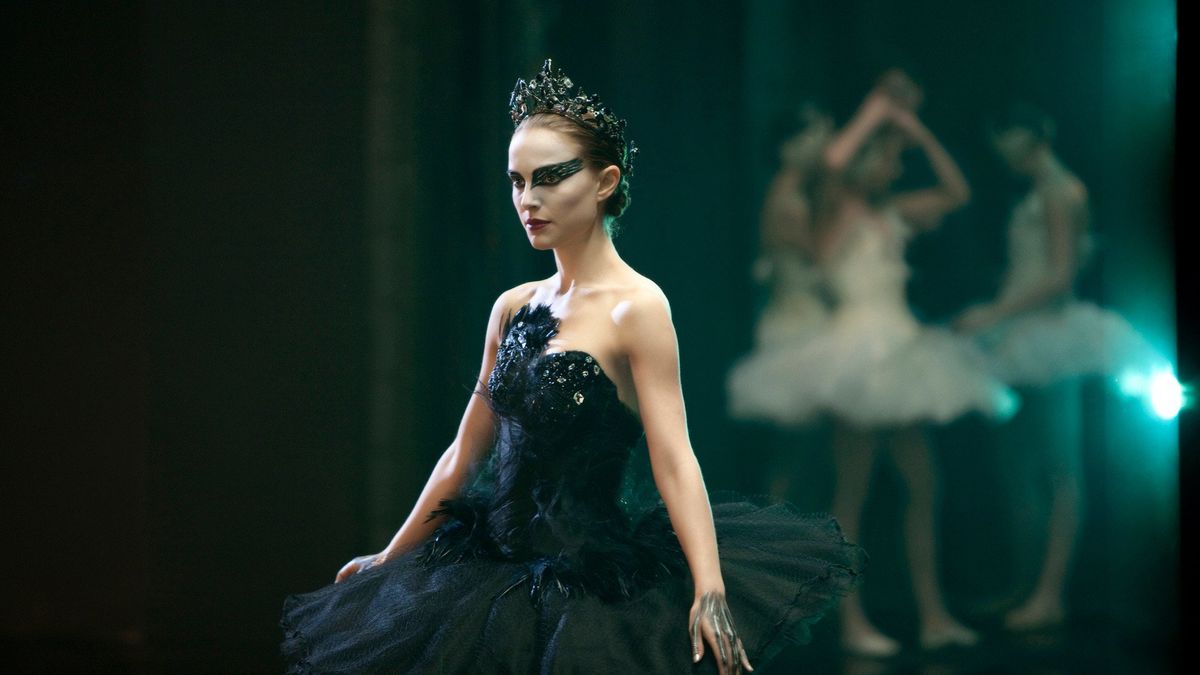
Directed by Darren Aronofsky, Black Swan is the story of a dancer with dreams of greatness. A member of the New York City Ballet, Nina Sayers auditions for her company’s upcoming production of Swan Lake. Hoping that she’ll be chosen to play the sensual Black Swan despite her innocent demeanor, Nina is crushed when she’s overlooked by the artistic director—and becomes determined to embody the darkness required to play the part. A story about repressed female desire, Black Swan chronicles a woman who refuses to perform the role assigned to her and rewrites the script herself. When that script involves nocturnal sapphic hookups and body horror bird transformations, you’ve got a queer masterpiece on your hands.
Hellraiser
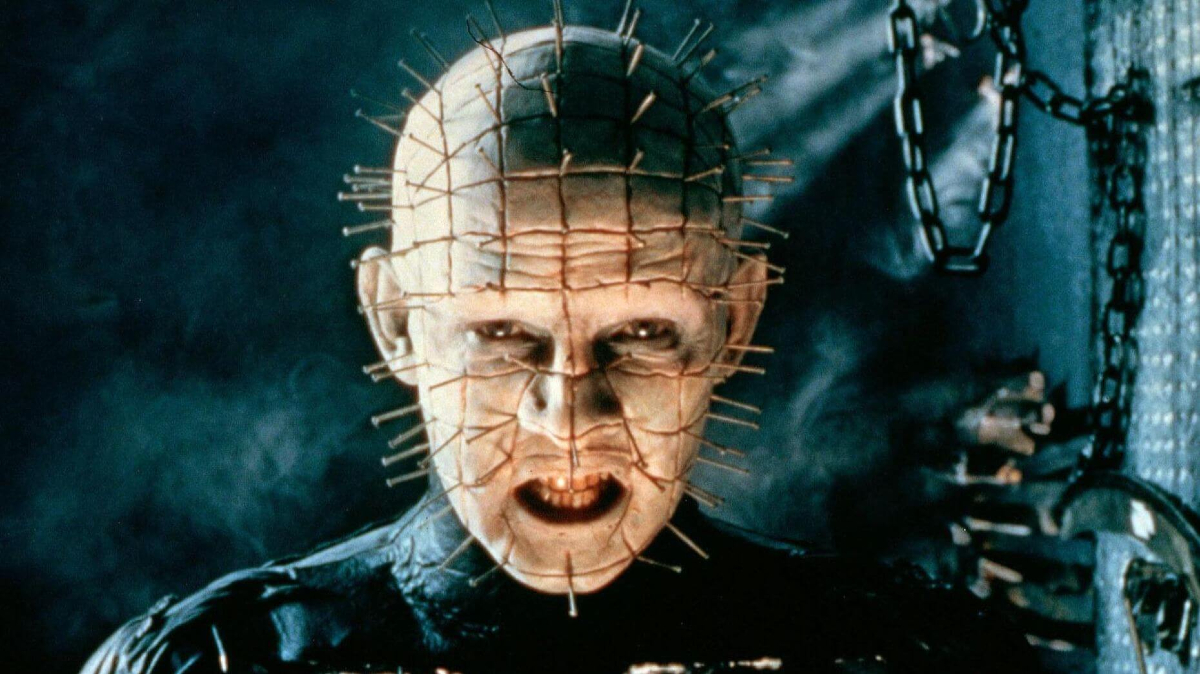
Since the franchise’s late 80s beginnings, Clive Barker’s Hellraiser was determined to do something different. The plot follows the hedonistic Frank Cotton, who purchases an ancient puzzlebox said to be able to summon pleasures from beyond the mortal plane. After cracking the box open, Frank conjures the Cenobites—sadomasochistic aliens that double as queer leather icons. His body torn apart by the interdimensional beings, Frank’s spirit lingers to haunt his niece Kirsty and her family, attempting to draw them into his world of pain. A love letter to leather and BDSM subcultures written in blood, Hellraiser brought the concept of sadomasochism to the masses. It’s a film that flies in the face of heteronormativity, aiming to bring out the kinky sex demon slumbering within us all.
The Rocky Horror Picture Show
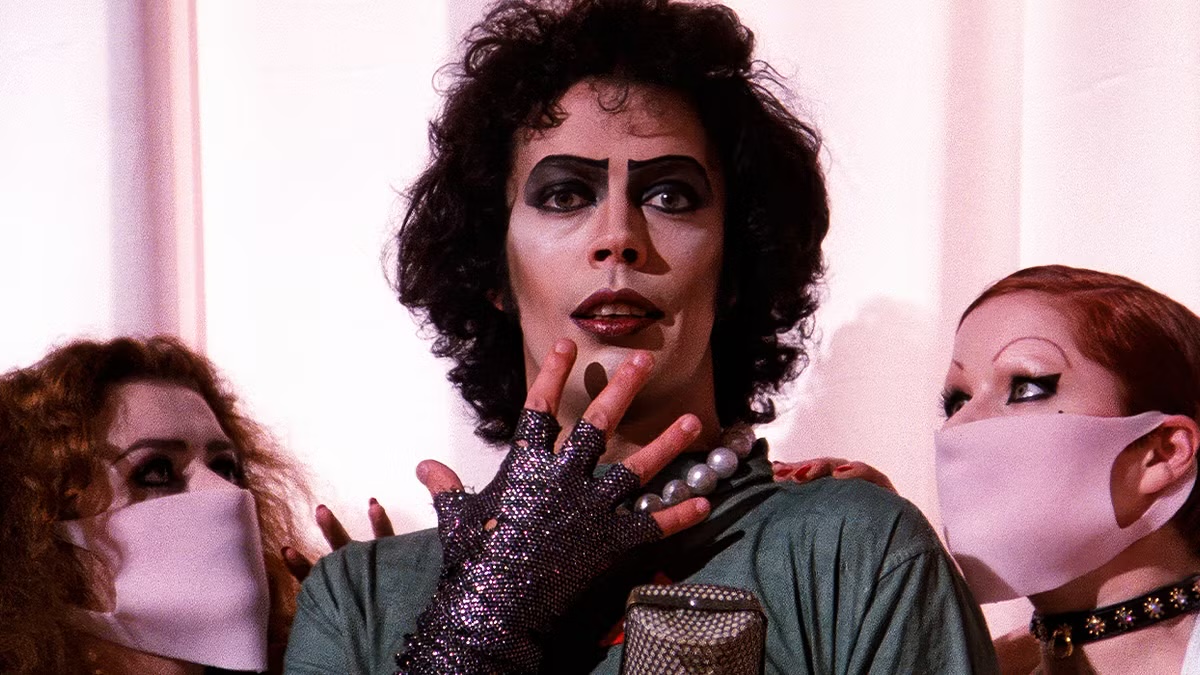
Directed by Jim Sharman, The Rocky Horror Picture Show is the story of two sexually repressed newlyweds and their fateful encounter with a sweet transvestite from Transylvania—it doesn’t get more queer than that. Released in 1975, this independent musical/horror/comedy served as an awakening for countless queer people and introduced straight-laced audiences to the concept of queer identity itself. While famous for the popcorn-throwing, time warping, “Dammit Janet” singing audience participation that it demands from viewers, the film departs from its lighthearted tone in the final act, culminating in eerie and alienating tragedy. The film is arguably an allegory for the absurdity that queer people face while existing in a world that ignores and degrades them. Denied a seat at society’s table, the queer characters of this film appear happier retreating to the safety of gothic castles, where they use mad science to create their own pleasure. To Dr. Frankenfurter and his ilk, Janet and Brad must appear as the movie monsters, creatures completely cut off from sexual expression. According to Rocky Horror, there’s no greater horror than the unexamined self.
Have a tip we should know? [email protected]
Follow The Mary Sue:
