


What’s the Real Reason Airplane Food Tastes Different?

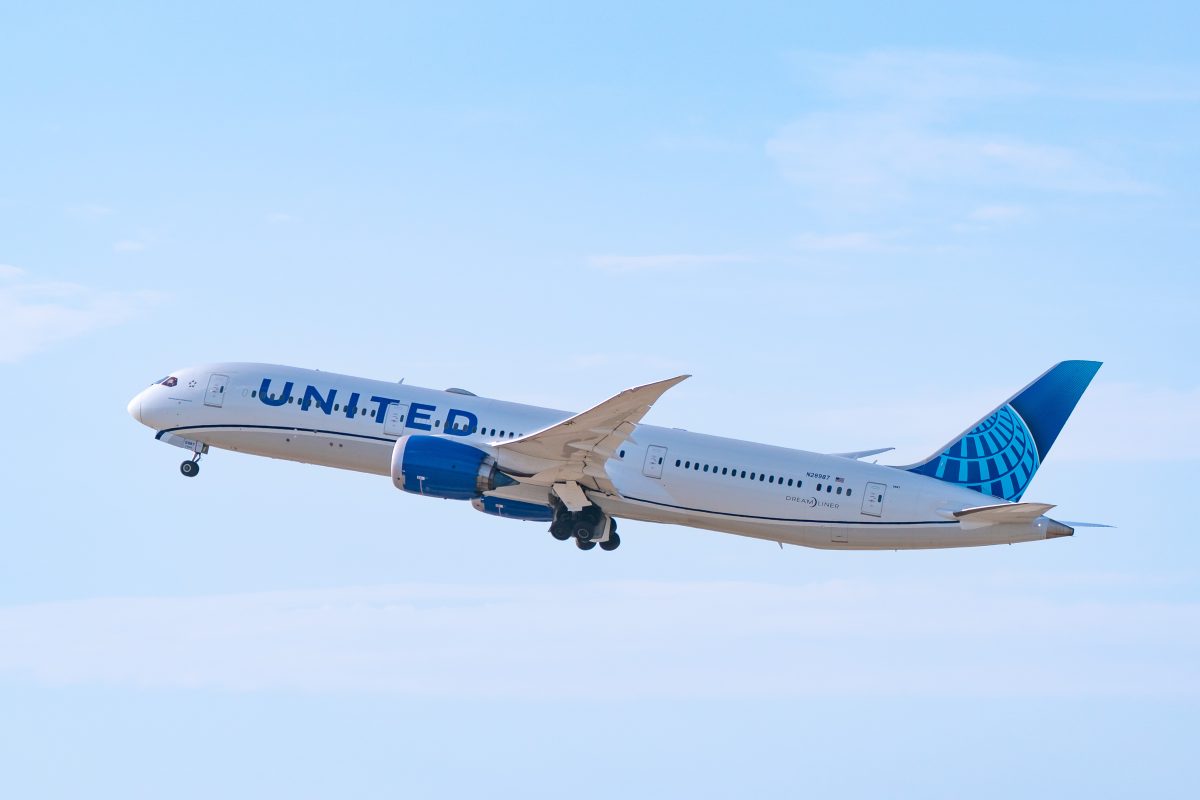
“What’s the deal with airline food?” Comedian Jerry Seinfeld introduced the issue to pop culture consciousness in the 1990s, and people have been struggling to find an answer ever since. Odd packaging, strange portion sizes, and enigmatic taste, airline fare has been boggling minds and taste buds the world over.
When Orville and Wilbur Wright first embarked on that history-making flight over Kitty Hawk, was this the culinary future they imagined for their invention? Probably not. What’s the real reason airplane food tastes different? The answer is as complex as the mystery of flight itself. Well, maybe not that complicated, but still pretty opaque.
What gives airplane food its flavor?
Part of airline food’s signature flavor (i.e. “bad”) comes down to preparation. Food that is meant to be served at Himalayan altitudes obviously isn’t cooked on the spot. It’s pre-made, pre-packaged, and reheated before it finds its way to your tray. Like leftovers fresh from the microwave, it’s just not going to taste the same. When you consider the physics behind high-altitude travel in a low-pressure metal tube, the culinary hurdles that airline food faces become ever clearer.
According to Russ Brown, director of In-flight Dining & Retail at American Airlines, smell and taste change when flying through the skies. “Flavour is a combination of both, and our perception of saltiness and sweetness drop when inside a pressurised cabin.” Those cardboard-consistency graham crackers? The low-pressure, low-moisture environment doesn’t help their already less-than-gourmet qualities. At an average 12% humidity, airplane cabins are desert-dry.
According to food scientist Sarah Bond, this lack of moisture numbs the tongue, making everything taste like a hospital hallway paint job — flat, bland, and devoid of joy. “At altitude, the cabin pressure and dry air actually dull your senses, which is why airline meals often seem bland unless they’re super seasoned or heavy on umami.”
But how numb can low-moisture make your mouth? According to a 2010 study made by Germany’s Fraunhofer Institute for Building Physics: very. Under laboratory conditions designed to simulate the interior of an airliner, the researchers found that taste bud sensitivity to sweet and salty flavors is reduced up to 30%.
When It Comes to Taste, Environment Matters
“Atmosphere.” While it sounds like a hoity-toity way to judge a dining experience, ambiance matters when it comes to perception of taste. According a study, background noise has a significant effect on how food tastes — and that effect tends to be negative. Anyone who has been on a plane with a screaming infant knows how easily the in-flight vibe can sour, leading to a dining experience that’s unforgettable for all the wrong reasons. Engine noise, loud conversation, arguments over seating, the sound of other people chewing — each of these less-than-delightful noises can influence one’s tate perceptions for the worse.
Is Airline Food Doomed to be Sub-Par?
Not at all. While some flavors are deadened by air travel, others remain unaffected. According to Charles Spence, professor of experimental psychology at Oxford University, the fifth flavor “umami” doesn’t lose any of its charm at 35,000 feet, and “may actually be enhanced by loud background noise.” As a result, Lufthansa chefs are designing menus that heavily feature umami flavors — maybe airline food’s reputation will soon change for the better
Have a tip we should know? [email protected]
