


The 10 Best Queer Couples In TV History

In need of some couple goals inspiration? These TV romances have you covered. From modern favorites to historical trailblazers, these 10 queer couples are some of the best in TV history. While the road to queer representation has been long, hard, and lousy with toxic tropes, these love stories changed the game. Whether through quiet normalization, tear-jerker tragedy, or hard-won happily-ever-afters, each of these relationships helped redefine what queer love could look like on screen—allowing queer audiences to finally see themselves reflected in mainstream pop-culture romance.
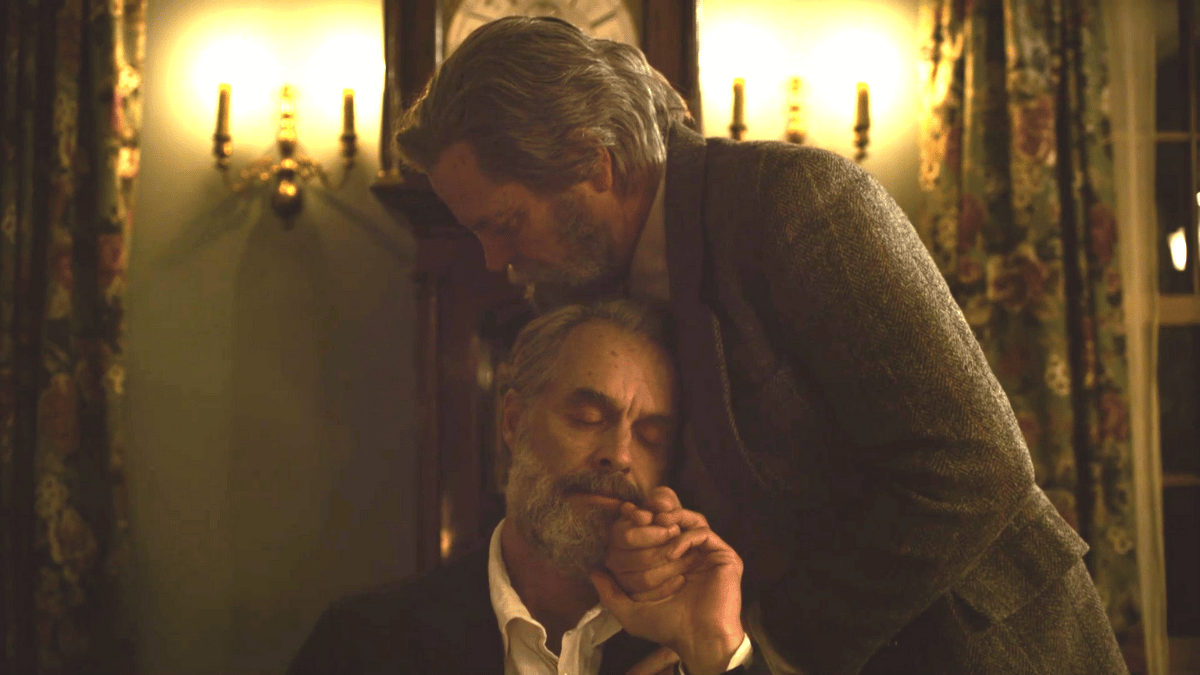
Bill and Frank — The Last of Us
No one expected a show about mushroom zombies to give one of the greatest TV love stories of all time, but The Last of Us delivered. Reinventing a romance only hinted at in the original game, Bill and Frank went from subtextual ex-lovers to an out-and-proud pair. After the reclusive prepper Bill is presented with the End Times he always saw coming, he spends his days in isolationist bliss before the cultured Frank stumbles into town—a post-apocalyptic meet-cute for the ages. In a single episode, we see the pair’s relationship evolve from cautious attraction to lifelong love. “I was never afraid before you showed up,” says an elderly Bill to Frank near the end of their story. “I’m old. I’m satisfied. And you were my purpose.” Bill and Frank’s love story breaks more hearts in one episode than other TV romances do in 10 seasons.
Dani and Jaime — The Haunting of Bly Manor
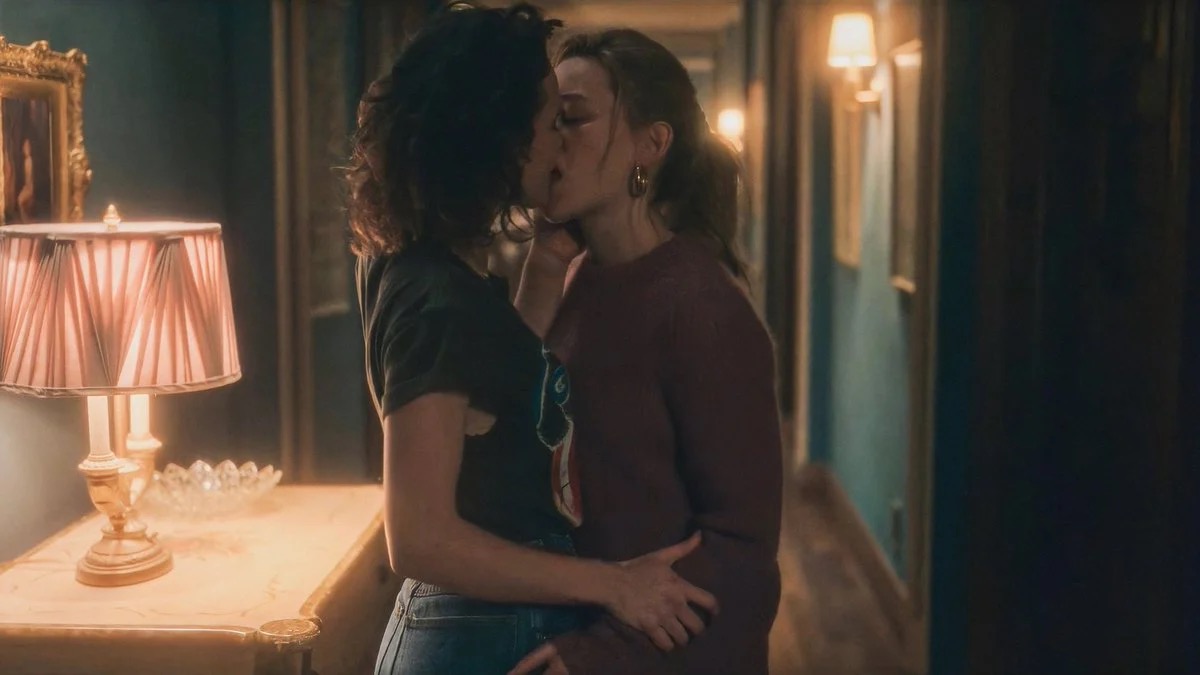
The slow-burn lovers of The Haunting of Bly Manor, Dani and Jaime’s relationship is as beautiful and short-lived as the moonflowers that grow around the mansion where they met. The nanny and gardener of Bly Manor, Dani and Jaime transform from co-miserating co-workers to devoted lovers. While their relationship isn’t without conflict, their fights are constructive and grounded in their mutual care for each other. Even as Dani’s ghost-induced illness tightens its hold, the pair’s dedication to one another never wavers—and serves as a real-life parable for loving someone through terminal disease. While their romance’s tragic conclusion inevitably falls under the “bury your gays” trope, at least we know one of them is watching over the other—from the other side.
Nick and Charlie — Heartstopper
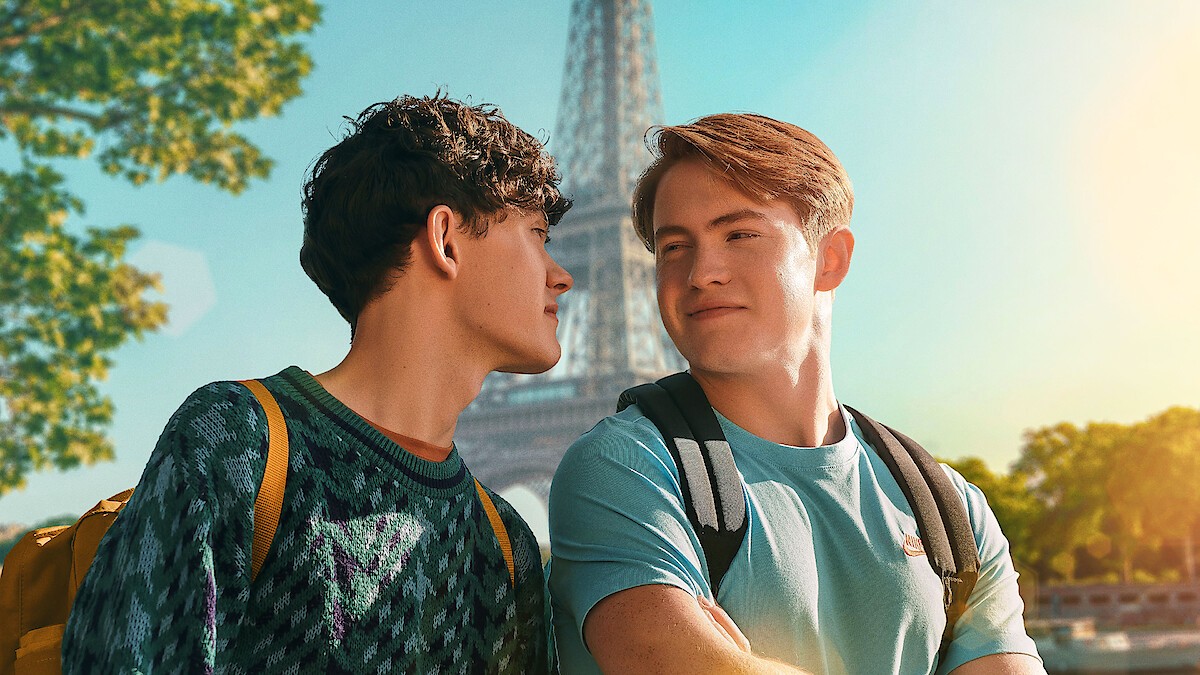
While Heartstopper features a bevy of beautiful queer relationships, the couple at its core is the best. One of the best coming-of-age romances in the modern era, Nick and Charlie’s love story unfolds with storybook charm. The pair’s best moments are some of the most mundane: sharing milkshakes, kissing in empty classrooms, and, of course, Charlie teaching Nick to play drums. Despite the youth of its protagonists, Heartstopper treats their romance with maturity. Nick struggles with his bisexuality at the series’ beginning, while Charlie has embraced his queerness, but Charlie stands beside Nick with a tenderness and patience beyond his years. After all, there’s no rush. When you meet the love of your life in high school, your romance has all the time in the world to grow—and Nick and Charlie grow together.
Marceline and Princess Bubblegum — Adventure Time
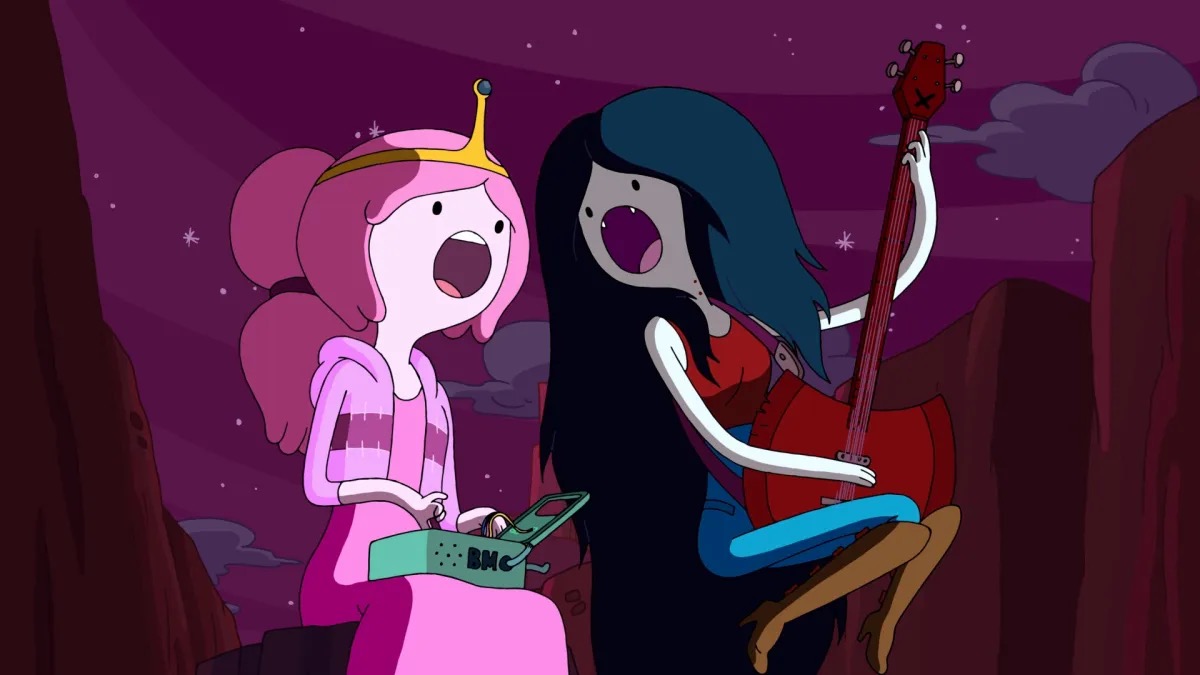
While Avatar: The Legend of Korra might have featured the first canonically queer couple in a mainstream kids’ TV series, Korra and Asami only hinted at what Marceline and Bubblegum sang out loud. During Adventure Time‘s season finale, the vampire and the royal became the first same-sex couple to share an onscreen kiss in a Western children’s animated series. While their relationship began subtly at first, their sapphic undertones are clear on the rewatch—and mostly revolve around a t-shirt. The love story began when Marceline took off her t-shirt while playing a concert, and threw it at Bubblegum with a wink. Bubblegum wore it as pajamas nightly, sniffing it often—now that’s love. Flushed cheeks, sparkling eyes, angry bickering, tearful make-ups, Marceline and Bubblegum’s romance is a roller-coaster ride that ends with a lip-lock after saving the world—like any great TV love story should.
David and Patrick — Schitt’s Creek
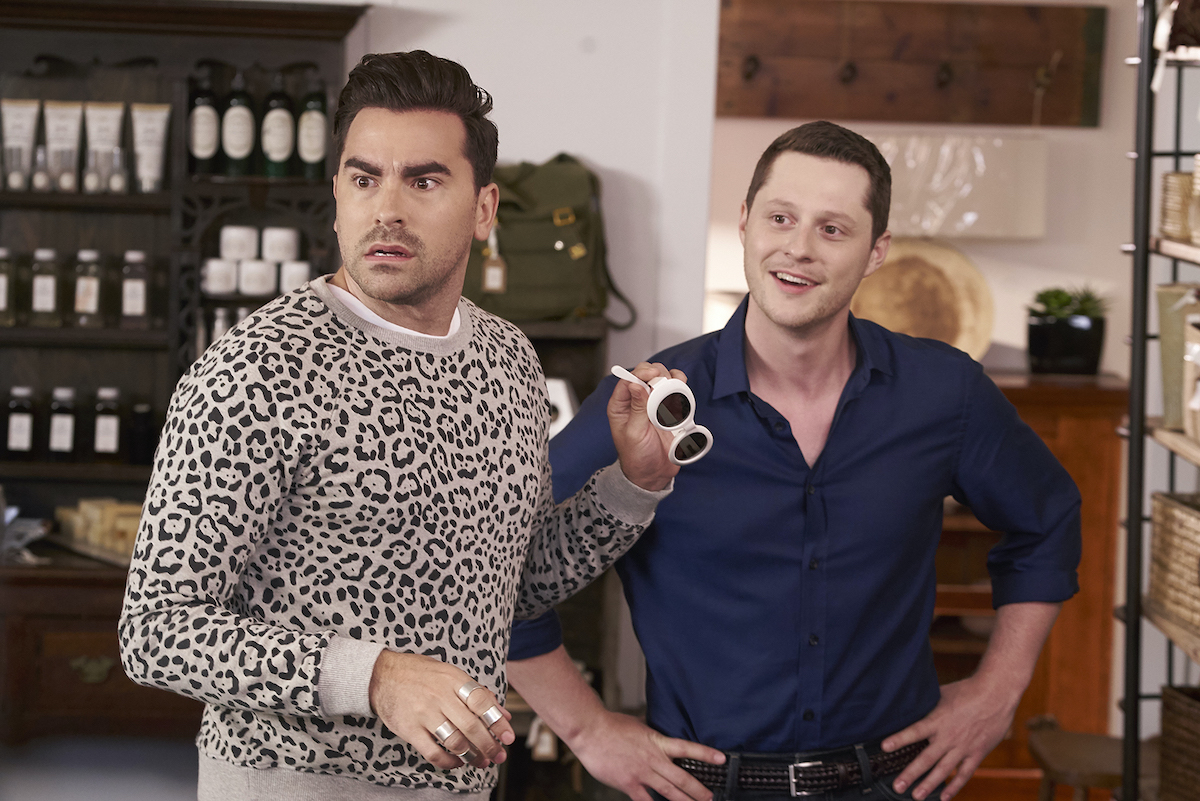
With its romance between a jaded big-city transplant and a tender-hearted small-towner, Schitt’s Creek brought queer love to the masses. David is judgmental and out of touch at the beginning of the series, but his relationship with Patrick fleshes out his more compassionate, empathetic qualities. As the series progresses, we see David go from un-datable to devotion-worthy—the person that Patrick knew he could be. Despite Patrick’s struggles with his sexuality, his love for David is rock solid—expressed with flower bouquets and open-mic serenades. When Patrick finally popped the question to David on a hillside hike, it became one of the greatest queer moments in TV history.
Catra and Adora — She-Ra and The Princesses of Power
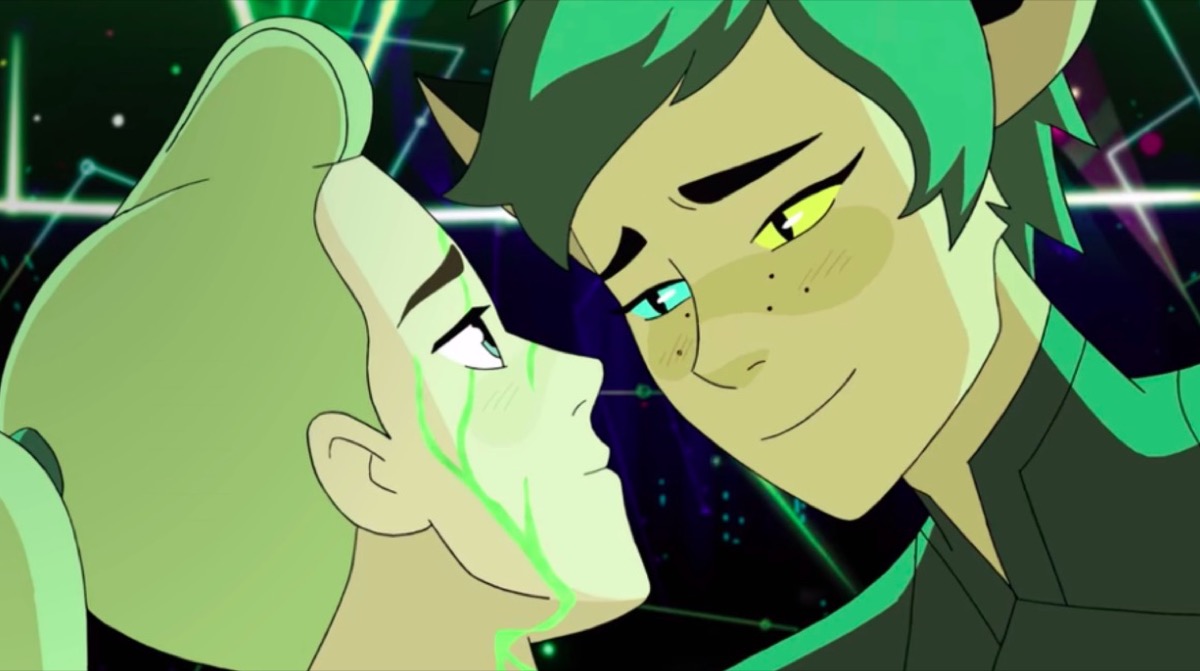
While Marceline and Bubblegum may have been the first out-and-proud queer couple in kids’ TV, She-Ra and the Princesses of Power made history with a sapphic romance between its main heroines. Well, sort of heroines. One of the greatest enemies-to-lovers arcs in TV history, Adora and Catra spent most of She-Ra‘s five seasons squarely in a hero/villain relationship—and that relationship was complicated. Raised to be child soldiers for an evil warmonger, Adora and Catra were each other’s only source of comfort—until Adora’s call to heroism left Catra all alone. She-Ra is fundamentally a story about childhood trauma, centering around two teens who responded to abuse in very different ways. One was compelled to save the world that wounded her, the other to destroy it. Yes, Catra and Adora’s relationship is often toxic—but its transformation from tortured to tender is nothing short of magnificent.
Ian and Mickey — Shameless
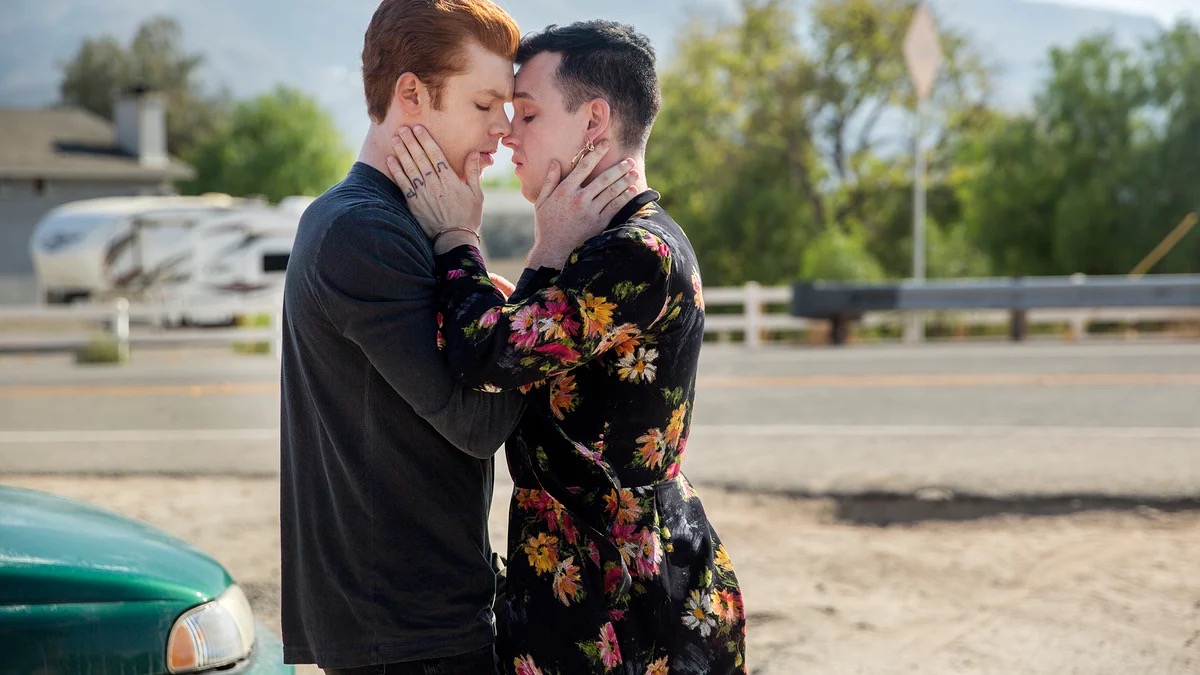
While Mickey and Ian are one of TV’s best couples, they’re certainly not perfect. Like Catra and Adora, Shameless‘s Ian and Mickey oscillate between cruelty and compassion. Considering their rough upbringings, it isn’t hard to see why. Raised in violent and dysfunctional families, Ian and Mickey take out some of their worst impulses on one another. Despite their instability, their radical love for one another eventually allows them to overcome their checkered pasts and evolve into a stable, safe, and healthy pair. And their onscreen chemistry? Plapable. Every look, every touch, every kiss oozes with sensuality and desire. While Mickey and Ian’s relationship might not always be one to idolize, it’s absolutely enthralling to watch. And at the end of the series, it transforms into one worth emulating.
Louis and Lestat — Interview With the Vampire
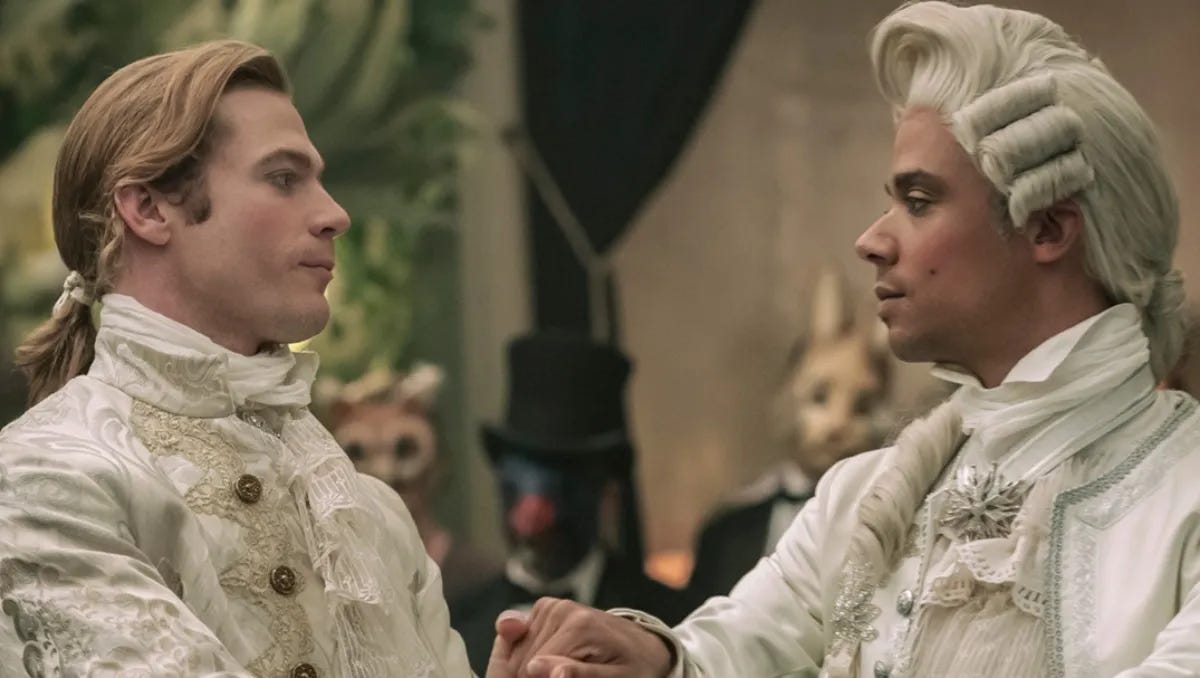
Interview With the Vampire is a show about ugly relationships—that’s the horrifying beauty of it. Since its Bram Stoker beginnings, the vampire myth has been a parable about abuse, with supernatural corruptors preying upon the innocent. Well, innocent-ish. Louis was a career criminal in New Orleans before Lestat even had a chance to sink his fangs in. While their relationship begins tenderly (priest massacre notwithstanding), the love affair soon sours once Lestat’s true colors begin to show. Beneath the glorious gothic melodrama, Interview With a Vampire makes a wise observation about toxic relationships—they often take shape around a core kernel of love, which is why they can be so hard to leave behind. Lestat’s treatment of Louis whiplashes between woeful and woefully romantic. Ballroom dances give way to bloody fights, and wounds are salved by decades-old love letters. Lestat and Louis’ relationship is toxic; it is also intoxicating. That is its power, and that is its tragedy.
Irving and Burt — Severance
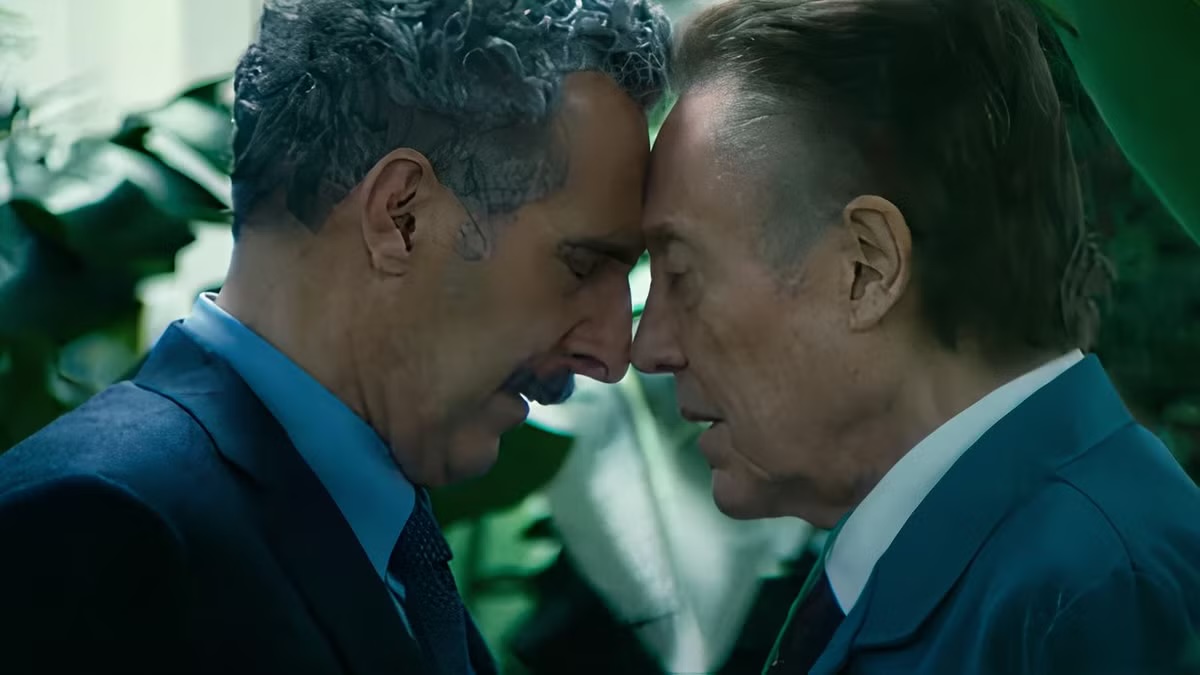
Unlike the tumultuous relationship between Severance‘s Helly and Mark, Burt and Irving’s love story trades high drama for something reserved, dignified, and understated. Hailing from opposite ends of the office hellscape they call home, Burt and Irving overcome their initial mistrust to bond over things that are anything but work-related. Moved by a mutual love of art, the pair take baby steps towards one another—unsure if their connection is safe to make under constant corporate surveillance. The Lumon company quite literally wrote the book on the virtues of capitalism, and Burt and Irving quietly provide the counterargument. With every kiss on company time, the pair wages a quiet revolution—never has class warfare looked so romantic.
Nomi and Amanita — Sense8
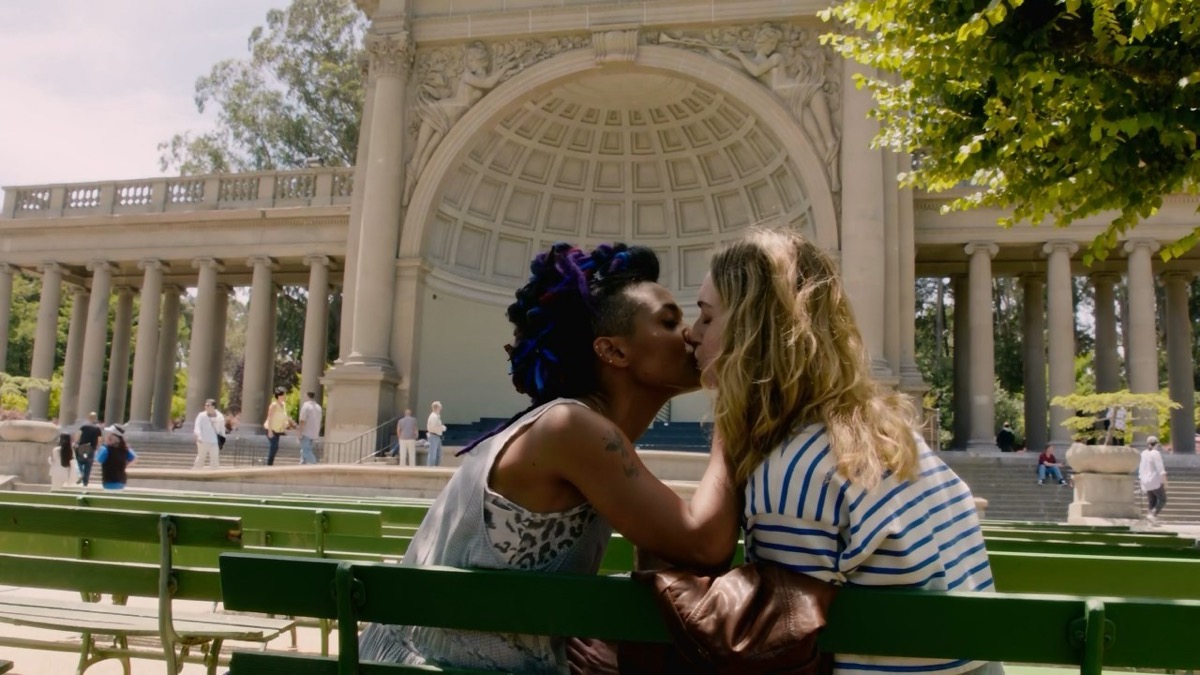
While it could be argued that the entire cast of Sense 8 is really just one big queer polycule, Nomi and Amanita win the award for best couple. After Nomi begins developing a telepathic connection with seven other randos, does Amanita get scared and call it off? Absolutely not, she rides for Nomi through thick and thin. When not shutting down TERFs, Amanita stands up against a clandestine organization threatening her wife with capture and murder. A rare win for trans representation in media, Nomi is a full-fledged character whose arc doesn’t revolve solely around suffering, alienation, or trauma. She’s in a happy, committed, supportive relationship with a wonderful woman. While it’s sadly rare to see trans characters on TV, it’s rarer still to see them thrive. But these two? They thrive together.
Have a tip we should know? [email protected]
