


The (Massively Underrated) Matrix Sequels Revisited: Genre-Bending Sci-Fi at Its Best

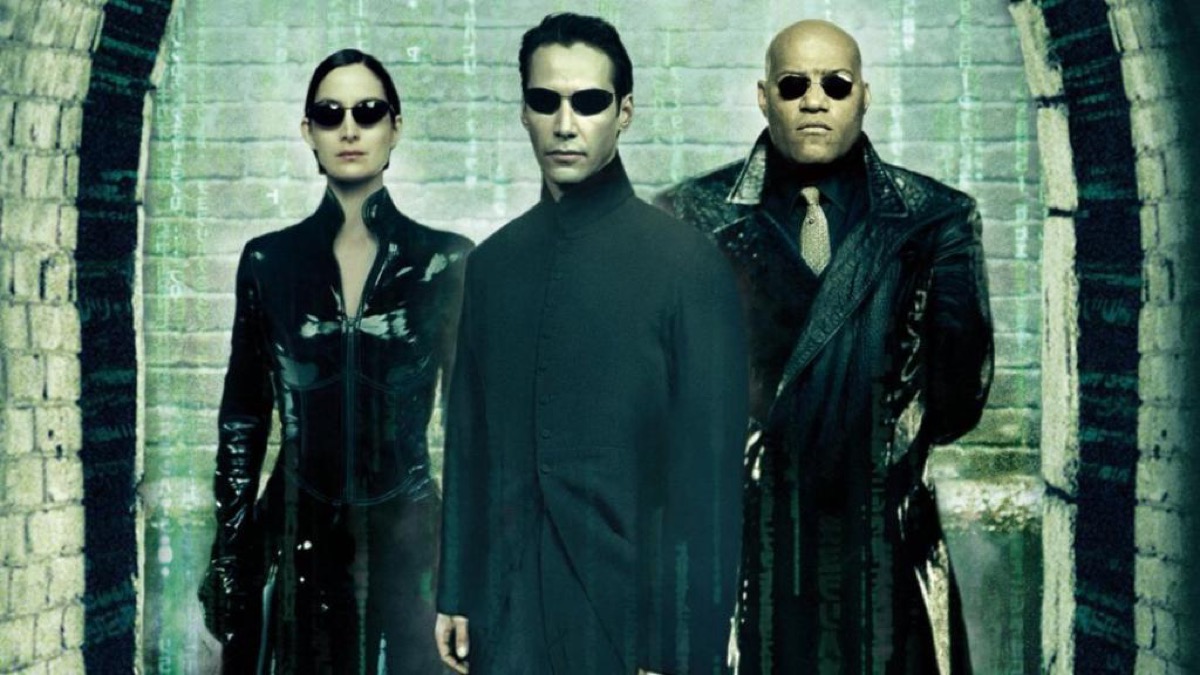
Thanks to the delicious new trailer for The Matrix Resurrections, fans are hyped up for the fourth installment of this iconic sci-fi series.
Wait, did I say “iconic?” I must have stepped into an alternate reality where these films get the respect and admiration they deserve. What’s actually happening is that people keep saying they’re “so excited” for this movie, but in the next breath, adding that they hope it “ignores” the previous sequels and emulates the “good parts.”
I can’t think of a less coherent statement about this series.
The Matrix is a stunning, unforgettable film, and, in my mind, it essentially functions as a prologue for the engrossing and unconventional sci-fi adventure that the full trilogy offers.
I can’t imagine a fourth movie that ignores the two films that let Lana and Lilly Wachowski’s artistry fully shine, both as storytellers and filmmakers. Reloaded and Revolutions subvert the established lore of the first movie in bold, surprising ways, and the narrative that unfolds—about human nature, about reality, about love, about survival—is a rare gem in the sci-fi genre.
If you feel rusty on the details, fear not: I’m going to recap the plot. But I’m not going to do it from the perspective of Keanu Reeves’ Neo, or any other main character. I’m going to summarize it from the point of view of two of the sentient programs within the Matrix: the Architect (Helmut Bakaitis) and the Oracle (Gloria Foster and Mary Alice)—and I’m only going to use information available in the movie trilogy.
***
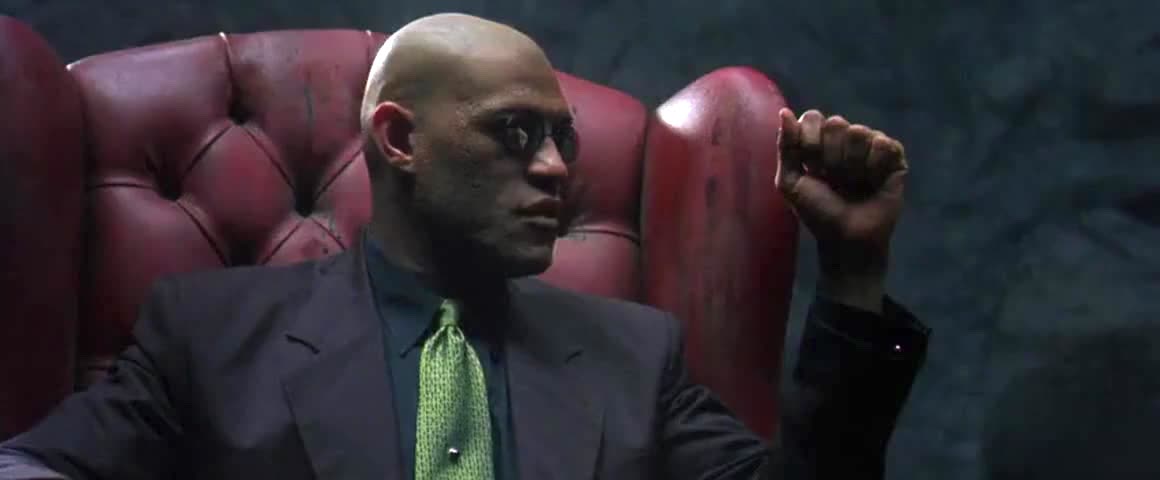
Several centuries ago, a machine army was at war against humans. A sentient program known as the Architect devised a way to pacify the humans into submission by giving them what they’d been fighting for: a world “without” the machines, via a massive simulated reality that would simultaneously allow the machines to harvest energy from human bodies. The Architect’s first simulation was designed to be a blissful paradise, but human minds rejected the programming. His next attempt was more nuanced (and less utopia), but once again failed. Another sentient program known as the Oracle, who had been designed to study the human psyche, found a solution: Humans needed to be able to subconsciously consent to the simulation.
It wasn’t a flawless fix: A small fraction of humans still wouldn’t fully accept the programming, and the result was that some people would live their lives feeling like something wasn’t quite right within the simulated world. An increasing number of those individuals would escape the Matrix and learn the truth, and every 100 years or so, an anomaly would emerge: a single human with an extraordinary ability to manipulate the simulation in real time.
Taking all the variables into account, the Architect designed a system of control. When the anomaly emerged, that person would be counseled by the Oracle and told they were “the One”: Their destiny was to save humanity, and they alone could succeed. Eventually, each anomaly would be guided to meet the Architect, who would then reveal that the One’s true purpose was to prompt a reformat of sorts: The outlier real-world human city of Zion would be destroyed, the One would select a small group of people from the Matrix to begin rebuilding it, the Matrix itself would get a sort of reboot, and the cycle would restart.
Prior to the events of the movie trilogy, that cycle had occurred five times. Each time, the Architect got closer to his goal: a harmonious existence where humans no longer resist the Matrix.
And then comes Neo, the sixth anomaly, an introverted hacker who dislikes the idea of fate. The Oracle, perhaps having gathered her own data on human emotion/motivation over the previous five iterations, and perhaps also dissatisfied with her role in the system, decides to try an experiment this time.
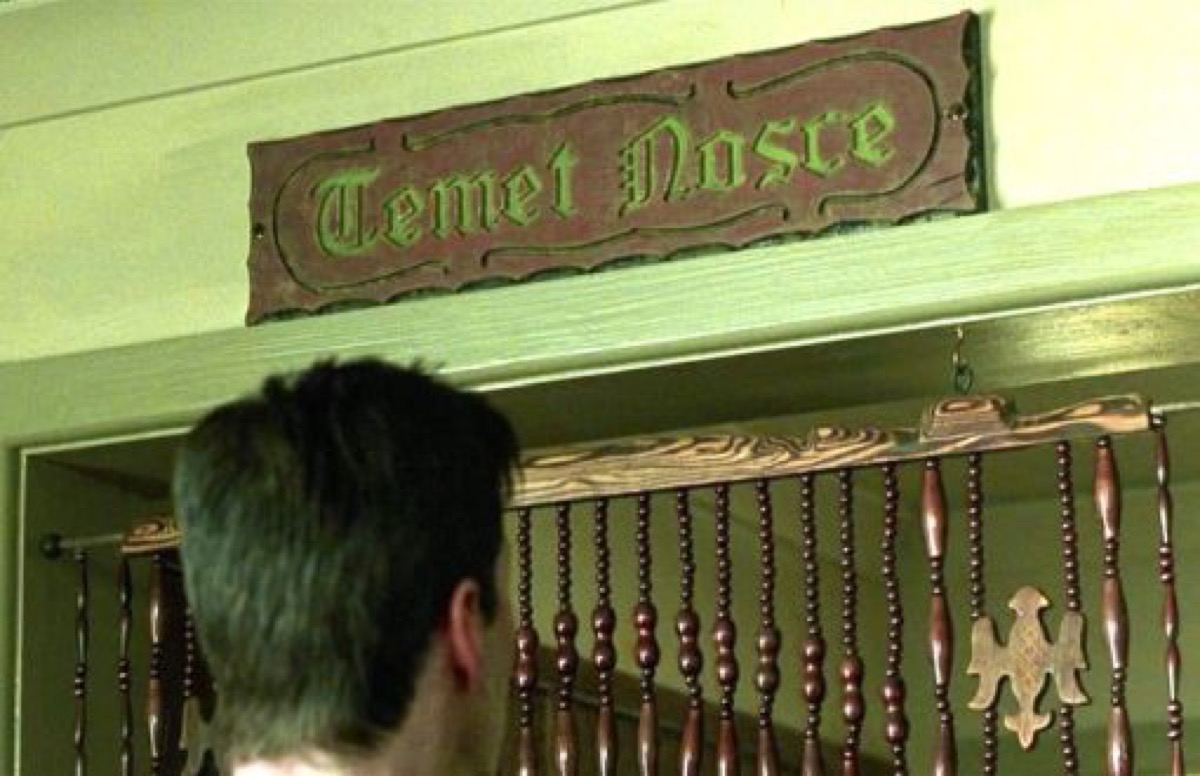
Rather than preparing Neo to be the great protector of the human race, she subtly sets certain pieces in motion that will make it highly likely for Neo to fall in love. She wants him to have an unwavering attachment to one person, not humanity as a whole. And, in her infinite wisdom, she hits a home run with Trinity. (Can the Oracle be my matchmaker, too, please?)
When the Architect meets Neo face-to-face as planned, it’s immediately apparent that Neo is different from the Ones before him. He doesn’t feel a profound responsibility to “do the right thing” for the human race. Instead, his loyalties lie with one person, and to the Architect’s frustration, Neo refuses to fulfill his role and goes back to the Matrix—back to Trinity, even after the Architect posits that attempting to save her will be pointless.
Without the scheduled reboot, the Matrix is thrown into chaos, as a virus known as Smith, formerly an Agent program, is growing more powerful and spreading to every human and AI mind within the simulation. The Oracle, now rendered in a new body after her previous one was deleted as punishment, nudges Neo in the direction of the machine mainframe, as he’s the only person with any hope of defeating Smith—since they are two halves of one unchecked equation.
After Neo succeeds via the ultimate sacrifice, Smith is wiped from the Matrix completely. The Oracle sits on a bench and smugly watches a pretty sunrise while the Architect scowls. He’s not convinced this version of “peace” can last. But for now, Zion is allowed to survive, and the world of the Matrix is a little brighter than before. Maybe the Oracle got lucky. Or maybe, after everything, it was Neo’s fate to change the world.
***
If you think that’s “bad” sci-fi, then we must want very different things from sci-fi.
My condensed, chronological summary doesn’t even touch upon so many things that make these movies an absolute joy to watch: The cyberpunk-meets-leather-goth aesthetic! The fascinating underground city of Zion! The gritty futuristic tech! The scenarios that are fun to contemplate long after watching! (What if a sentient program were downloaded into a human body? What if a human mind were capable of something resembling wi-fi? How would sentient programs navigate a simulated world modeled on human history?)
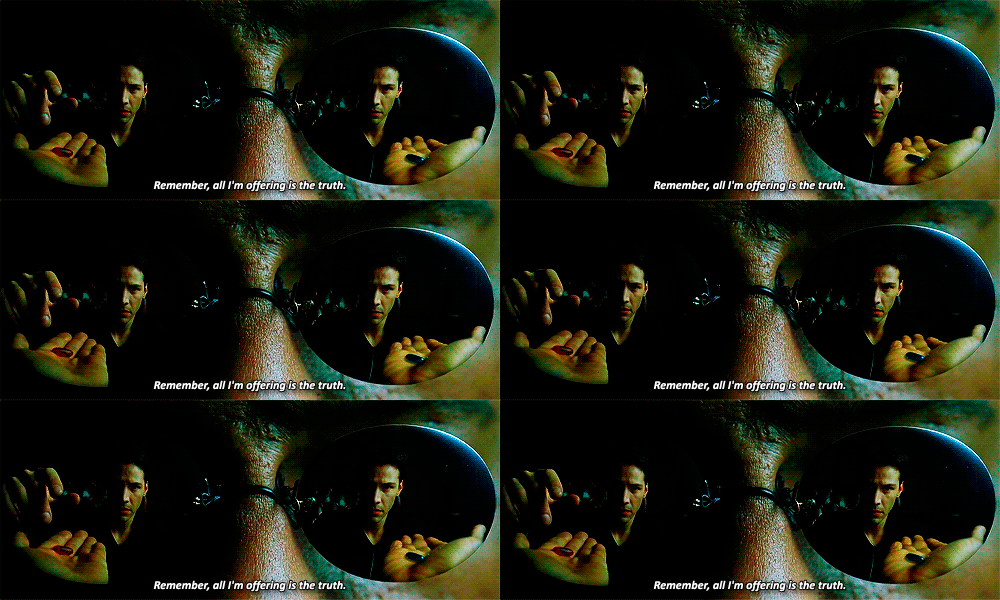
In creating these films, the Wachowskis masterfully combined sci-fi action with intriguing philosophical concepts, metaphors for personal identity and self-discovery, fun “software as a physical space” analogies, and a cast of badass characters who win me over every time. Are the movies flawless? Of course not, but I’m not exaggerating when I call this sci-fi filmmaking at its best. I don’t just think this series is good; I wholeheartedly believe it’s as good as it gets.
I often find it challenging to explain why I love these movies so much, because I sincerely do not understand why other people don’t. When Revolutions was released in 2003, I was in high school, and though I admittedly didn’t fully understand the story at the time, I was awed by it. So many years later, my appreciation and enjoyment have only grown. I maintain that it is an incredible film, and I cannot grasp it being so widely panned. In the final moments of the movie, when the machine army retreats thanks to Neo’s self-sacrifice, and the previously doomed people of Zion cry out in celebration, I find it impossible not to be moved.
Of course, the ending also left me with questions that I never expected to get answers to: What happened in Zion after peace was established? How did the world of the Matrix change, and how many other humans were actually freed? Where was that big machine taking Neo’s body? Could he and/or Trinity be saved somehow? Now that a fourth installment is really happening, and my two all-time favorite characters are being resurrected, I’ve never been more excited about a movie.
I just wish more fans were on the same page.
If you’ve read this far, my hope is that you’re inspired to give these movies a rewatch. Forget everything you think you know about their shortcomings, and watch because you love great original stories. Watch because you appreciate bold, daring sci-fi that doesn’t conform to the conventions of the genre. Watch again, because you missed something last time (I promise).
Maybe you still won’t love them as much as I do—but maybe you will. And maybe you’ll come away with a brand new appreciation for this story and greater enthusiasm for it to continue in The Matrix Resurrections.
(images: Warner Bros.)
Want more stories like this? Become a subscriber and support the site!
—The Mary Sue has a strict comment policy that forbids, but is not limited to, personal insults toward anyone, hate speech, and trolling.—
Have a tip we should know? [email protected]
