




Olympics Make a Disappointing Decision for the Los Angeles Games
Trans women are women and yes, that includes during the Olympics!!!

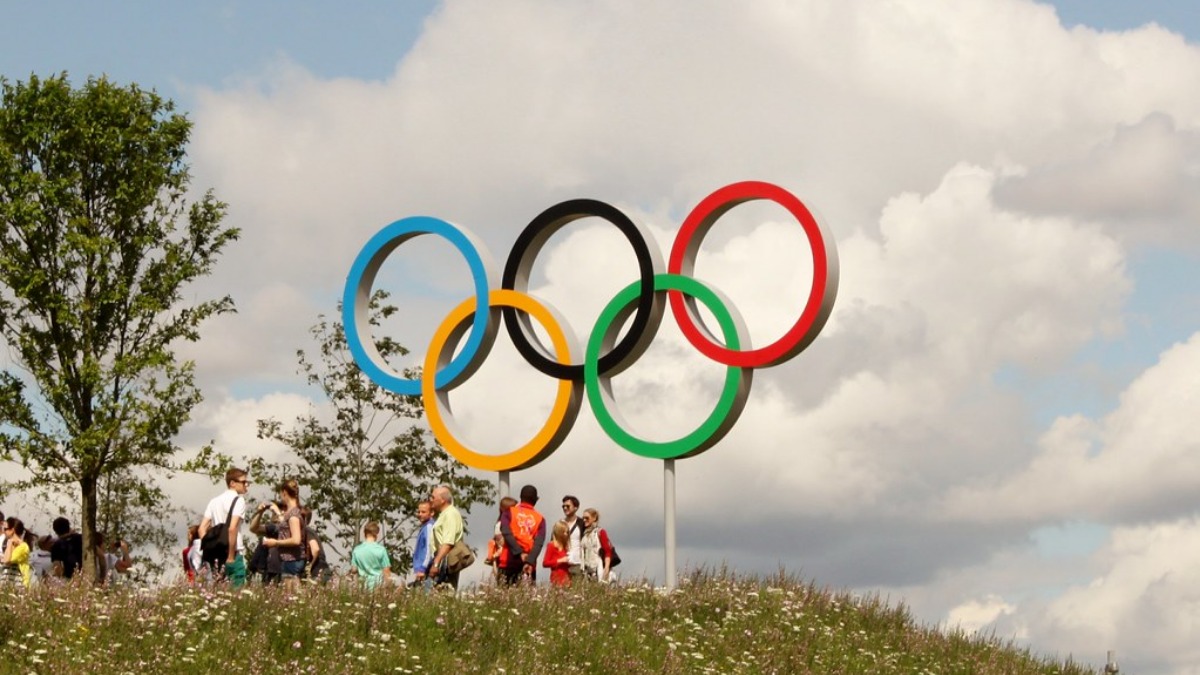
Transgender women have been banned from competing in female-category events in the Olympics. The International Olympic Committee (IOC) noted that the ban is “not retroactive.”
“I understand that this is a very sensitive topic. As a former athlete, I passionately believe in the rights of all Olympians to take part in fair competition. The policy that we have announced is based on science and has been led by medical experts with the best interests of athletes at its heart,” Kirsty Coventry from the IOC Executive Committee explained.
“The scientific evidence is very clear: male chromosomes give performance advantages in sports that rely on strength, power, or endurance. At the Olympic Games, even the smallest margins can be the difference between victory and defeat, so it’s absolutely clear that it wouldn’t be fair for biological males to compete in the female category,” Coventry added.
The “caution” to ensure athlete safety, especially where combat is concerned, has been blown out of proportion that led to this decision. But should the ban against trans women in the Olympics be a blanket rule across all sports? Several studies disagree with the hasty decision.
A sweeping generalization
Two studies have pointed to hormone therapy to decrease strength, body mass, and muscle area. A study by Harper in 2021 published in the National Library of Medicine showed that the aforementioned values can decrease with hormone therapy over a lengthy period of time. Additionally, after one month of hormone therapy, trans women’s hemoglobin levels went down to that of a cis woman’s. Hemoglobin transports oxygen from the lungs to the muscles, and men have a significant advantage since they possess more hemoglobin.
But if hormone therapy eliminates that advantage, this could clear trans women for endurance sports like swimming or figure skating.
The same conclusion on hormones was met by Hilton and Lundberg in 2021. They found that it still takes hormone therapy a long time to dissolve the inherent physical advantages in transgender women, but they only observed for a period of 12-36 months of hormone therapy in athletes. This doesn’t mean it’s impossible—it just takes time, and what if an athlete has been in transition for a longer period of time? That’s something to be explored. Regardless, the researchers didn’t ask for an outright ban on all categories—rather, they encouraged sports federations to weigh in and assess.
Essentially, it’s far too hasty to ban all trans women from professional competition—especially the Olympic Games. It affirms this delusional take that men opt to become trans women so that they can beat cisgender women—which isn’t the case.
Even cis women are not safe under this policy
During the 2024 Olympic Games, Algerian boxer Imane Khelif became a target of controversy. This is despite being confirmed by the IOC that she is a cisgender woman. She reportedly said that she has naturally high testosterone levels and even lowered them down to zero to qualify for the Paris Olympics. Despite this, Khelif has been subject to transvestigations by right-wing politicians and figures.
Similarly, South African runner Caster Semenya, who also had differences of sexual development (DSD), had faced legal battles over her status. World Athletics placed a rule in 2011 restricting female athletes with elevated levels of testosterone. They also asserted that Semenya is “biologically male,” but the case is more complicated than that.
To what extent is an advantage ‘unfair’? And what about the athletes who were born and raised female but have conditions that give them these “advantages”? Who’s to say they wouldn’t be banned for their ‘unfair’ advantages, too? It’s irresponsible for the IOC to create a sweeping ban that would hurt not just trans women but also cis women with unique physical conditions as well.
(featured image: amsr_photography)
Have a tip we should know? [email protected]
