


Did Karla Sofia Gascón deserve to sacrifice her mental health?
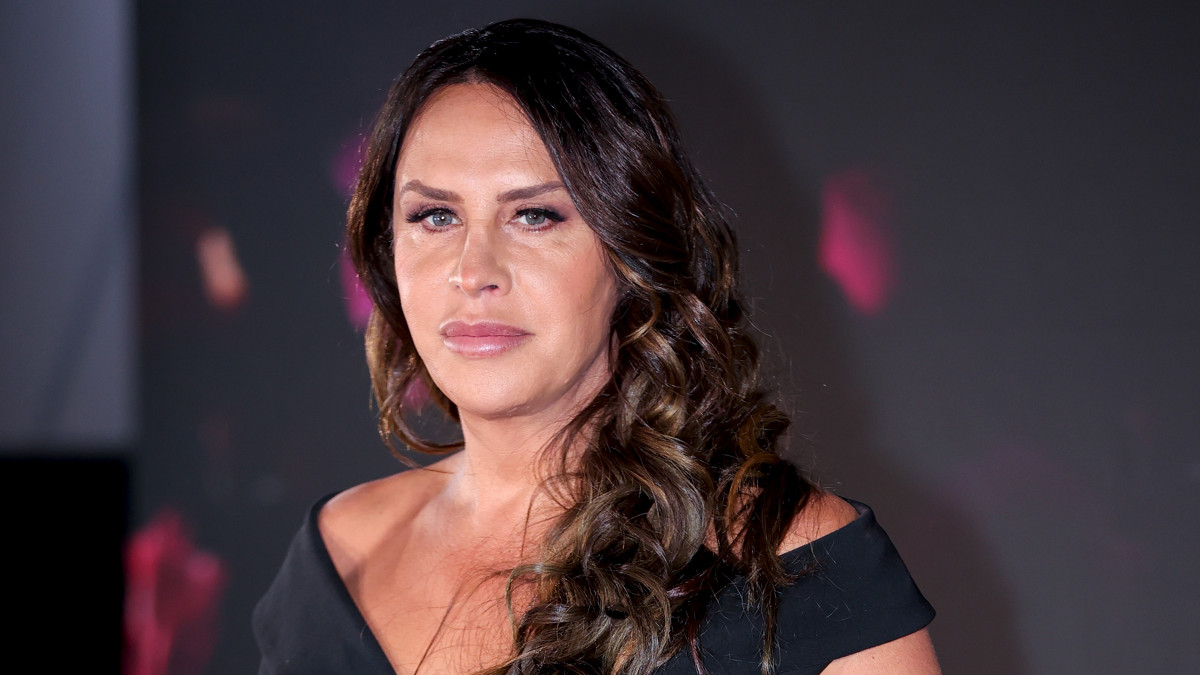
Karla Sofia Gascón has spoken out about her uncovered hate tweets and the bruising aftermath of them.
The trans community celebrated when Gascón became the first ever trans woman nominated for a Best Actress award, thanks to her performance in the controversial Emilia Pérez. But celebrations were short-lived. Journalist Sarah Hagi went back through Gascón’s X/Twitter account and discovered some shockingly racist remarks the actress had made about Islam, diversity, and Black Lives Matter.
Everything fell apart for Gascón then. She apologized, but people continued to call her a racist, as they had every right to. I personally found her comments disgusting and was so disappointed that she blew her chance to be a trans trailblazer. But now she’s spoken out about how the blowback affected her, and it’s pretty sobering stuff. Gascón contemplated suicide.
Speaking to the Hollywood Reporter, Gascón apologized again “to all I have offended at any point in my life and throughout my journey” and said she was “continuing to learn and listen so as not to make the same mistakes in the future.” But then she steered the conversation towards, “an honest discussion and reflection on mental health.”
Gascón has been struggling
“In this last episode, the most talked about and most exposed of my life, several fake accounts were created in my name to add to the pain and confusion,” she said. “Absurd and even delirious accusations were thrown at me, which deeply hurt my spirit.”
One of the posts that circulated under Gascón’s name was an insult towards her Emilia Pérez co-star Selena Gomez, calling her a “rich rat.” But Gascón has always been adamant that the tweet was a fake and she never said such a thing.
“Things escalated to a point, and so quickly, that I couldn’t even breathe,” Gascón went on. She then explained that, “the pain has been so overwhelming that I contemplated the unthinkable.”
“I harbored darker thoughts than those I considered in some of my previous, no less intimate and personal struggles,” she said. “And I asked myself: if I, with all my strength and preparedness to deal with rage and rejection, am on the edge, what would have become of someone with fewer emotional resources to resist this onslaught? Somehow, I made it. Others would not have survived this brutal winter I am about to wrap up.”
This all begs the question: Did the punishment fit the crime in this case? Was it fair for Gascón to end up in such a state, regardless of how horrible her posts were?
After all, it’s hard not to wonder if some of the hate Gascón received was because of her trans identity. People were furious at her because they believed that as a trans woman, she should have known better. She therefore became an easy target, and bad actors were able to take their own shots at her and delight in getting to “freely” attack a trans woman. Compare her case to the case of Mel Gibson, a racist who continues to have a career in Hollywood and even has other white stars stand up for him.
That’s not right. Neither were Gascón’s posts, of course, but you know what they say about two wrongs. The main question is, “What can we do to state our disgust at people’s bad behavior without driving them close to suicide?” and unfortunately there is just no easy answer whatsoever. That’s one of the biggest problems with social justice as we know it. In the end, I suppose all we can do is judge people based on how we’d like to be judged in our worst moments.
If you feel you are in crisis, please call the National Suicide Prevention Lifeline. It is a free, 24-hour hotline, at 1-800-273-TALK (8255). Your call will be connected to the crisis center nearest to you. It is a free, 24/7 service that can provide suicidal persons or those around them with support, information and local resources.
Have a tip we should know? [email protected]
Follow The Mary Sue:
