


10 best classic fantasy books, ranked


Are you yearning for the days when fantasy novels weren’t all some variation of the same A Noun of Noun and Noun title? Dying to go back to the magical beginnings of the genre? The works that provided the blueprint for the current glut of fantasy works clogging the arteries of BookTok? You’ve come to the right list. These are the OGs. The icons. The trendsetters. The high fantasy it-girls of yesteryear. These are the 10 best classic fantasy books, ranked.
10. Peter and Wendy by J.M. Barrie
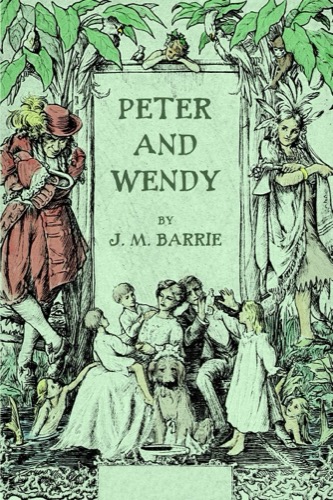
Infinitely adapted, interpreted, referenced, and satirized, J.M. Barrie’s Peter and Wendy turned Peter Pan into a household name. If you don’t live under a rock in the bowels of a pirate ship, you probably know the plot. Young Wendy Darling is visited by a flying boy named Peter Pan and his faerie Tinkerbell. In one of the most whimsical kidnappings ever described on paper, Peter Pan whisks Wendy away to the land of Neverland, a cosmological anomaly that sits adjacent to a morning star. There Wendy must perform emotional labor for a motherless gaggle of Lost Boys and battle with Pan’s mortal enemy, the nefarious pirate Captain Hook. It’s a beloved story about a ragtag band of children who refuse to grow up. Oh, and they can fly.
9. Phantastes by George MacDonald
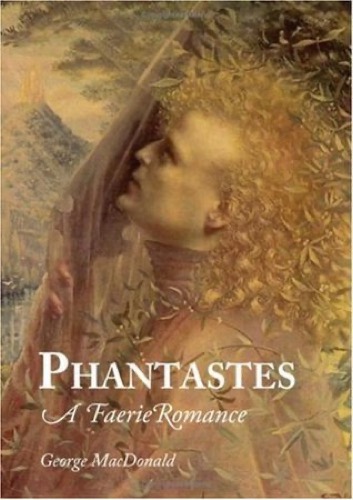
Inspiring the works of fantasy giants like C.S. Lewis and J.R.R. Tolkien, George MacDonald’s Phantastes is a fantasy tale that served as the foundation of the modern fantasy novel. First published in 1858, Phantastes tells the story of Anodos, a boy freshly turned 21. Rather than celebrate his drinking-age birthday with an alcohol binge like a normal person, young Anodos instead accompanies a faerie woman that he found in a piece of furniture to the magical land of Fairy Land. There he encounters evil tree spirits, falls for a beautiful woman made of marble, and gets read to filth by a bunch of gnomes. Written in a stream-of-consciousness style, the novel reads like a dream—or an average night out drinking for a twenty-something.
8. Alice’s Adventures in Wonderland by Lewis Carroll
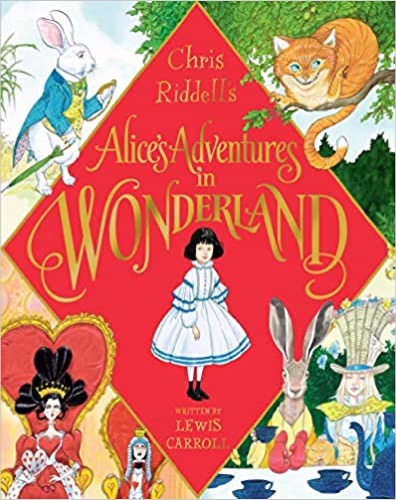
Despite popular opinion, there’s no concrete evidence that Lewis Carroll used hallucinogenic drugs to pen Alice’s Adventures In Wonderland, which is wild because this book reads like an acid trip sprinkled with angel dust. Young Alice makes the fateful decision to accompany an ADHD-coded rabbit down a hole in the ground and is spat out into a topsy-turvy world of chain-smoking insects, homicidal playing cards, and hat makers with undiagnosed mental illness. Reading this book is like Charlie XCX-ing some lines of straight whimsy off the looking glass. It’s an enduring tale that has inspired hundreds of interpretations and spin-offs, including a famous (and famously traumatizing) Disney animated adaptation. The Cheshire Cat’s smile will haunt your nightmares.
7. The Wonderful Wizard of Oz L. Frank Baum
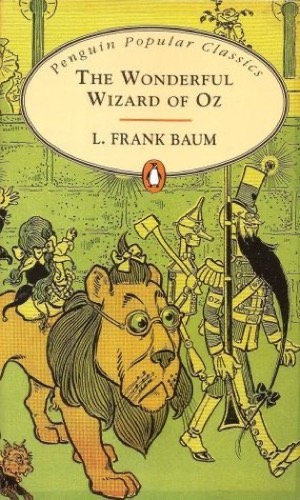
Before it became arguably the most important film in cinema history, Frank L. Baum’s The Wonderful Wizard of Oz first charmed the masses as a children’s novel. Unless you live under a farmhouse thrown by a tornado, you know the story. Young Dorothy is whisked away from her sad-girl midwestern existence via twister and transported to the magical land of Oz, home to lions with anxiety disorders, scarecrows with cardiopulmonary obsessions, and one very wicked witch. She and her newfound friends (and her little dog too) follow the Yellow Brick Road to plead for the help of the Wizard of Oz, who turns out to be pretty useless. Lucky for Dorothy, she had the power to go home all along via her newly acquired red bottoms. It’s a story that lifted American spirits out of the Depression and continues to inspire to this day.
6. The Great God Pan by Arthur Machen
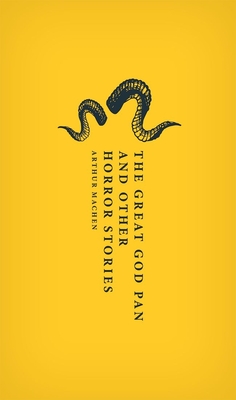
One of the first ever works of cosmic horror, Arthur Machen’s The Great God Pan walked so H.P. Lovecraft could fly (and fall into madness). The Great God Pan follows a scientist’s efforts to see the other side, which he attempts to do by performing brain surgery on a young woman so she can peer into the world beyond. After perceiving a horrifying eldritch deity called The Great God Pan, the woman is driven mad (a hazard of the genre). The trail for the god grows cold but heats up years later when a mysterious woman is connected with a series of even more mysterious deaths and disappearances. The novel is also one of the first works of body horror and was quickly denounced as obscene by its 19th-century critics, so you know it’s good.
5. Dracula by Bram Stoker
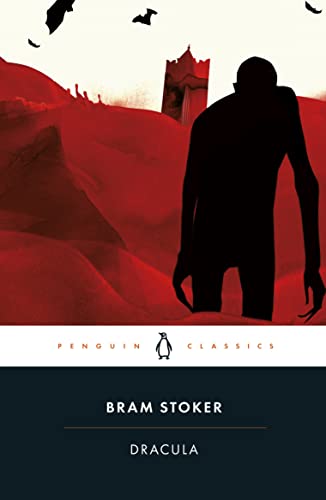
While Bram Stoker’s Dracula didn’t invent the vampire genre (that honor belongs to Sheridan Le Fanu’s Camilla written years before) he certainly perfected it, creating one of the most enduring works of gothic fantasy meets science-fiction ever written. Young Mina Harker is being stalked by an unseen force of darkness, one that a rag-tag group of vampire hunters are (just barely) prepared to engage in battle. The novel established Dracula as one of the most famous antagonists that ever haunted the pages of a book, and has served as the blueprint for everything from Interview With The Vampire to Twilight. But this vampire doesn’t glow in the sunlight, or play baseball to Muse’s “Supermassive Black Hole” (regrettably).
4. The Metamorphosis by Franz Kafka

Written by the tortured manic pixie dream boy genius that was Franz Kafka, The Metamorphosis is the tale of a young man who wakes up one morning and discovers he has inexplicably turned into a giant bug. His first concern: “How will I get to work?” Blending magical realism and satire, Metamorphosis is a parable about altruism and how prioritizing others’ needs over your own winds up with you being disrespected and alone. That’s exactly what happens to this poor young man, whose ambivalent family reviles and neglects their new bug son until he dies. And yet the whole time, his love for his horrible relatives remains unchanged (though it’s eventually rivaled with a newfound love for crawling on the walls).
3. A Wrinkle in Time by Madeleine L’Engle

Madeleine L’Engle’s A Wrinkle in Time had people obsessing over Tesseracts before Avengers made it cool. The story follows a young girl named Meg, who embarks on a spacefaring quest to rescue her scientist father, a man who figured out how to harness the hypercube’s power. Accompanied by her kindly space alien neighbors, Meg travels to a faraway planet controlled by a malevolent entity known as IT who subjugates the world’s populace, 1984-style. A heady mix of sci-fi and fantasy, it’s a startlingly original retelling of an age-old tale of good and evil, and how the power of love can conquer all.
2. Earthsea by Ursula K. Le Guin
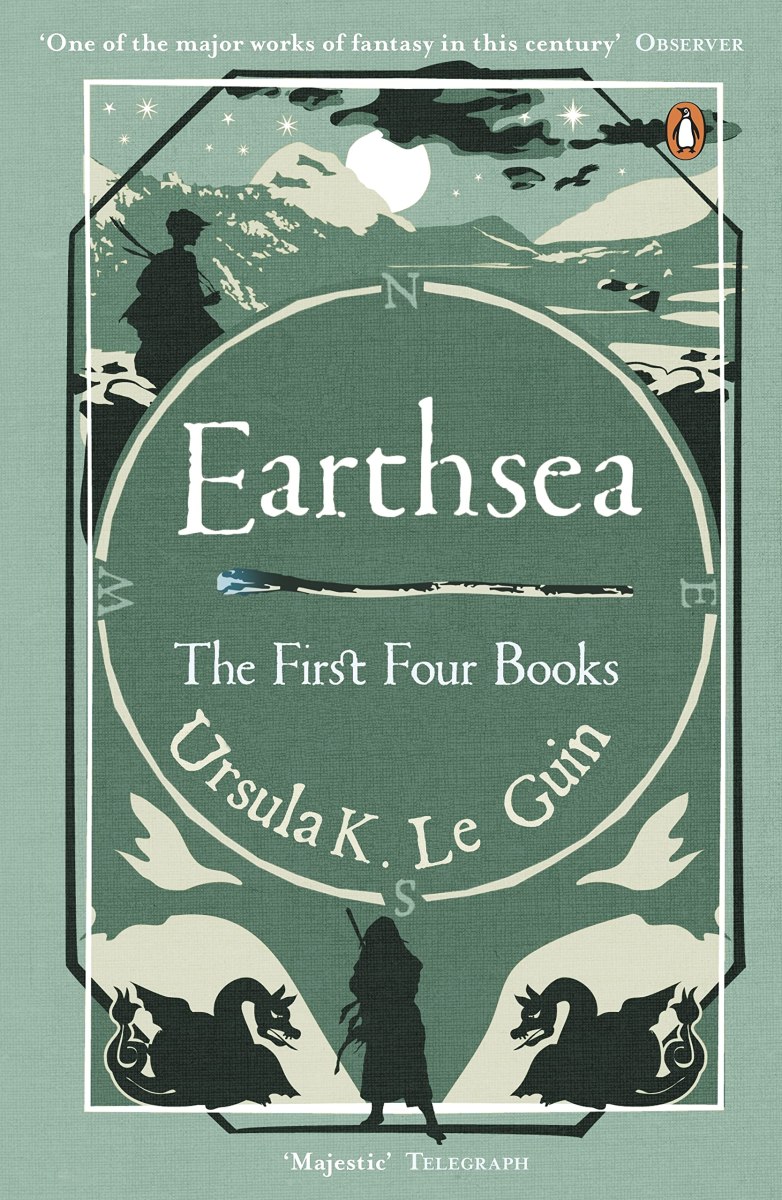
While Ursula K. Le Guin is arguably most renowned for her gender binary-breaking sci-fi novel The Left Hand of Darkness, the author made an enduring contribution to the fantasy genre with her Earthsea series. Titled after the globe-spanning archipelago where the action takes place, the novel follows a young boy named Sparrowhawk and his quest to become the greatest wizard the world has ever known. The novel subverts the hero’s journey to tell a tale about how the need for power and greatness can doom a person before it lifts them. The greatest mages of Le Guin’s world pride themselves not on their magical power, but on their ability to remain in balance with the magic world.
1. The Lord of the Rings by J.R.R. Tolkien
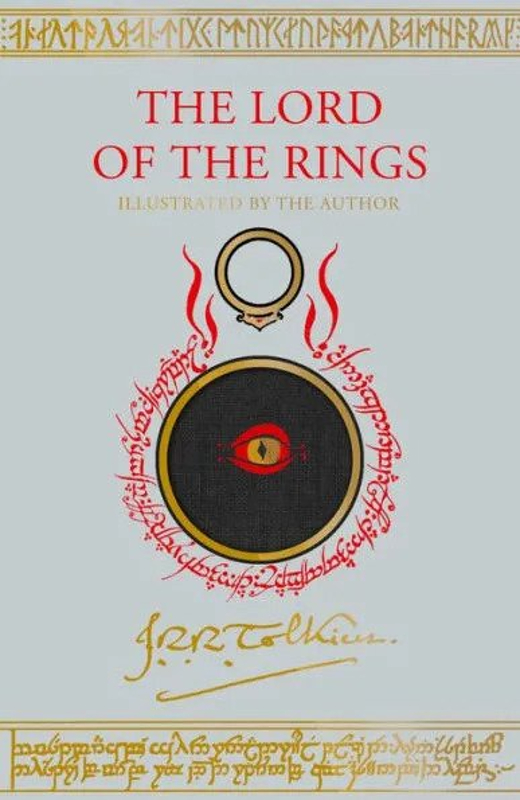
What else did you expect? Following in the footsteps of epic heroes such as Beowulf and Gilgamesh comes a hairy-footed little guy and his gardener/bestie/husband on a quest to throw some cursed jewelry into a volcano. Frodo Baggins inherits the One Ring, a conduit for the spiritual forces of evil, and is tasked by a weed-smoking wizard to throw it into the fires of Mount Doom. Fans of the iconic film trilogy will experience some familiar faces, such as a bickering elf/dwarf duo and a hairless little gremlin with a penchant for raw meat, as well as experience some new ones, like poor Tom Bombadil, who was cut from the movies entirely. The Lord of the Rings teaches that anyone, no matter their circumstance or stature, is capable of greatness as long as they dedicate themselves to goodness.
Have a tip we should know? [email protected]
