


‘There it is’: Trump’s real reason for firing Bondi is now clear as day, and Democrats are crying foul
A classic case of bureaucratic maneuvering.
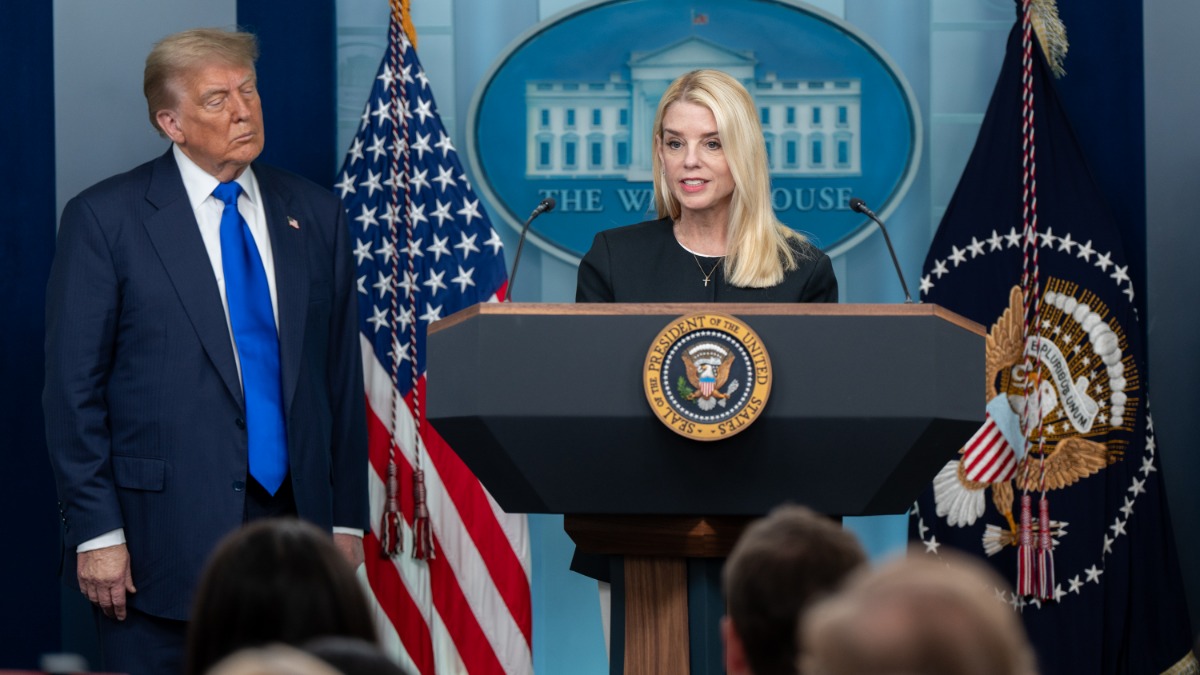
The legal spotlight on former Attorney General Pam Bondi has intensified following the cancellation of her scheduled testimony before the House Oversight and Government Reform Committee. Originally set for April 14, this appearance was meant to address the Department of Justice’s handling of the extensive Jeffrey Epstein files.
However, the committee’s spokeswoman confirmed on Wednesday that the session is off the books, citing Bondi’s recent departure from her post as the primary reason for the change. It’s a significant shift in a saga that has been brewing for months. The committee had previously issued a formal subpoena to compel Bondi’s testimony. Now, the Republican majority on the panel is framing the situation around the technicality of her former title.
The spokeswoman noted that because Bondi was served in her capacity as the attorney general, her exit from the role creates a new procedural hurdle. According to CNBC, the committee intends to reach out to her legal counsel to discuss how to reschedule the deposition.
This development hasn’t sat well with everyone involved in the investigation
Democratic members of the committee are pushing back hard, threatening to initiate contempt charges if Bondi fails to show up as originally planned. Rep. Robert Garcia of California, the ranking Democrat on the committee, didn’t mince words regarding the situation. He stated that Bondi is attempting to dodge her legal obligations now that she is no longer in office.
According to Garcia, the bipartisan subpoena remains valid regardless of her current employment status. He emphasized that the survivors of Epstein’s crimes deserve justice and that Bondi must testify immediately to address the concerns regarding the White House’s handling of these sensitive records.
The friction over these files isn’t new. President Donald Trump fired Bondi on April 2, a decision that followed reports of his growing frustration with how she managed the Department of Justice. While the president publicly described the move as a transition to the private sector, sources familiar with the situation indicated he felt she failed to execute his vision effectively.
One specific point of contention was the management of the Epstein documents. Despite earlier promises from figures within the Trump orbit that these files would be fully transparent, the Department of Justice faced intense scrutiny for withholding significant portions of the material. The pressure to release these documents eventually culminated in Congress passing the Epstein Files Transparency Act, which Trump signed into law.
This forced the release of millions of pages of documents involving Epstein and his convicted associate, Ghislaine Maxwell. Even after that release, the department faced heavy criticism for the redactions and the volume of information that remained hidden from the public. Some survivors of Epstein’s crimes even pointed out that while potential accomplices were shielded by redactions, sensitive information regarding victims was left exposed.
In her last few months as AG, Bondi was constantly pulled up for her handling of the Epstein files
White House chief of staff Susie Wiles reportedly claimed that Bondi had completely whiffed on the process, specifically calling out a bizarre incident where binders labeled as the files were distributed to conservative social media influencers. Furthermore, the Department of Justice had previously issued a memo claiming it had performed an exhaustive review and that no further information would be released, a stance later undermined by the bipartisan push for transparency.
Bondi’s departure on April 2 marks her as the second Cabinet member to be let go by the president, following the exit of former homeland security secretary Kristi Noem. She has been replaced by Todd Blanche, who previously served as one of Trump’s personal defense attorneys. As the Department of Justice enters this new phase under Blanche, the lingering questions about the Epstein files remain a massive point of contention.
The House Oversight Committee is currently navigating the fallout of the canceled testimony. While Republican leadership looks to coordinate with the Department of Justice on the next steps, the Democratic minority is making it clear they won’t let the issue fade into the background. For now, the legal battle over who needs to answer for the handling of these files is far from resolved.
It’s a messy situation that highlights the ongoing tension between the administration’s internal priorities and the legislative push for accountability. It’s a classic case of bureaucratic maneuvering, but the stakes for those seeking clarity on the Epstein files are incredibly high.
Have a tip we should know? [email protected]
Follow The Mary Sue:
