


Phoenix woman buys Stanley cup. What she finds inside the lid after routine wash has her disturbed: ‘Take this as your sign’
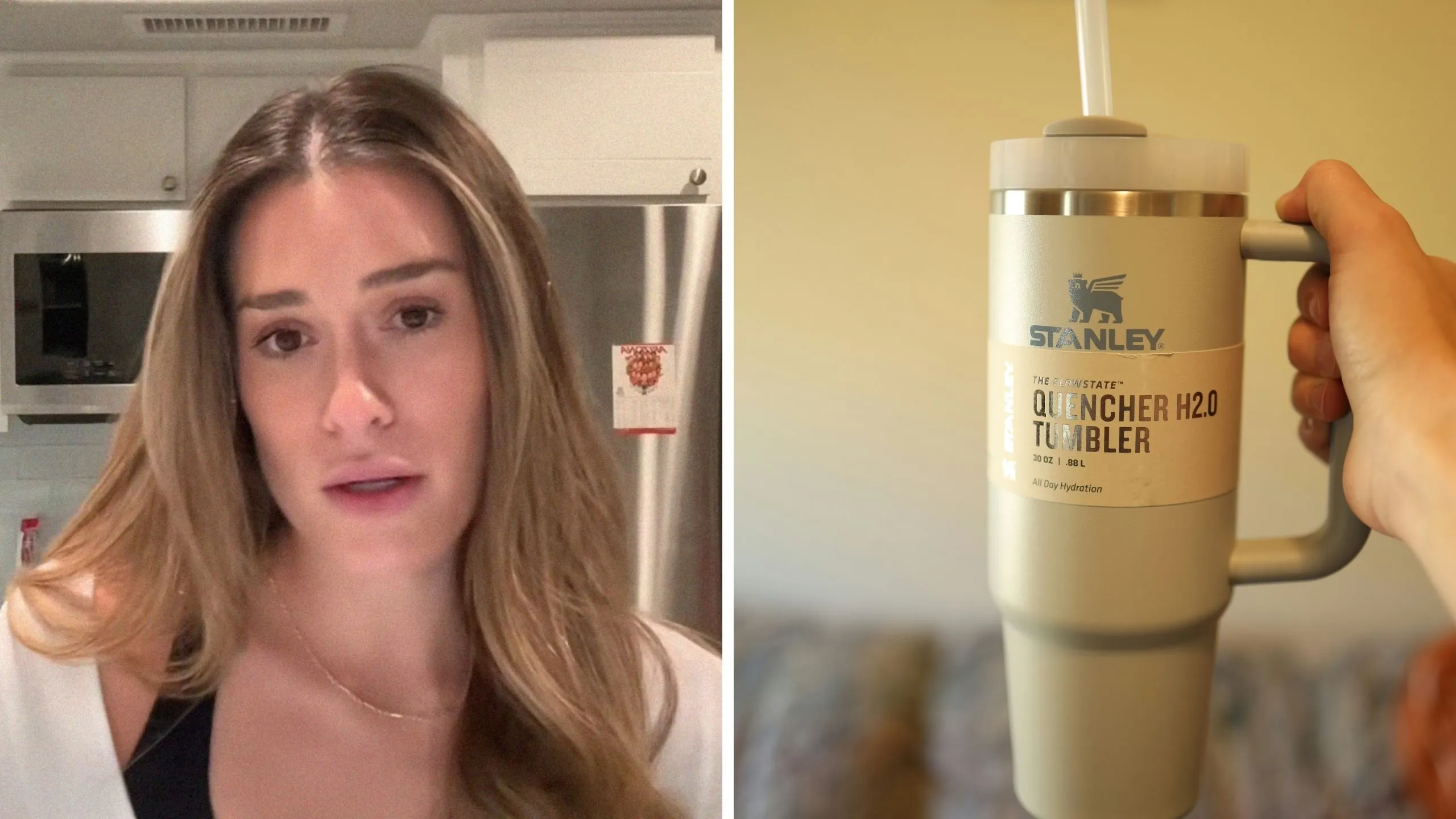
A Phoenix woman has a PSA about Stanley cups. There might be something creepy inside your lids if you’re using them, so make sure to check through all of their parts.
Vanessa Mason (@sassynessy), a TikToker with over 1,300 followers, cleans her Stanley cup regularly. During one routine cleaning of her water cup, she decided to take off the “little rubber piece” at the top of the Stanley. There, she saw an incredibly small worm making a home and crawling around.
Horrified, she described the situation in a TikTok, which has gotten 1.7 million views since she posted it. She’s still not exactly sure what larvae have been crawling in between the “layers” of her Stanley, but she’s recommending that anyone with a Stanley take the “whole lid apart” when cleaning.
What exactly did she find?
Trying to do her own sleuthwork to determine what bug was in her cup, Mason plugged an image of the worm into ChatGPT. The AI told her that it was some sort of larva and that the cup was no longer safe to use.
As Mason stated, “ Turns out it’s larvae from an insect, so basically some type of fly. [It] decided to lay an egg in this part of my Stanley Cup. That is impossible to even clean.”
Based on the images she showed in her post, it’s possible that the bug is a drain fly larva. Drain fly larvae look incredibly similar, with the same brown and tan coloration.
Bugs in tumblers—is this a common issue?
It turns out, many people have been finding bugs or larvae in their tumblers.
One commenter shared a recent experience, writing, “I drank a few fast sips of water from my TJ Maxx knock off Owala I had made the day before, and felt something go down my throat. I opened and it was filled with floating brown amoebas, [and] I gag everytime I think about it and am now traumatized from drinking anything, period. I too feel like I have bugs crawling inside my stomach now, and it’s been a month since it happened.”
The best way to avoid issues with creepy critters in a tumbler is to clean water cups extremely well. Check the entire cup, including tight crevices. Tumblers are notable for having significant issues with bacteria and mold buildup. This is because even a little bit of water left inside a tumbler can have microorganisms that can grow if left out.
Stanley does have specific cleaning instructions for “hard-to-reach” Stanley products. The company recommends using uncooked rice and white vinegar to draw out contaminants. Shaking the rice and vinegar together in a cup can help stop some harmful bacteria and lead to a cleaner surface inside the cup.
However, if a cup has a crevice or inaccessible area, it may be best to avoid purchasing it. The simpler the design, the easier the cup might be to clean.
@sassynessy THIS IS A PUBLIC SERVICE ANNOUNCEMENT: If you have a Stanley Tumbler or SIMILAR water jug make sure you take the whole lid apart when cleaning… I had a worm/larva living in mine. No im not okay ? #stanleytumbler #cleaningtiktok #tragicstorytime #greenscreen ♬ original sound – vanessa mason
Commenters recommend other cup brands—what are they?
Commenters had quick recommendations for new cup brands, especially because Mason’s Stanley shouldn’t be used anymore due to the fly larvae growth. There were recommendations from companies like Owala and Simply Modern.
“Guys get a Ello cup,” said one commenter. “I stand by my Ello cup. I own one and I’ve had it for 3 years now! She goes everywhere with me and I clean it every morning and it’s easy to clean!”
Then, Hydroflask replied to the post, letting Mason know that they have (bug-free) beverage containers. “Truly our worst nightmare,” a company representative said. “Our tumblers are designed to be easy to clean with only two straw pieces plus the lid. We’d love to get one to you! Just send us a DM.”
It’s unclear whether Mason will be switching from Stanley to another brand, although she does seem inclined to purchase a different type of water cup in the near future.
The Mary Sue reached out to Mason and Stanley via email for comment.
Have a tip we should know? [email protected]
Follow The Mary Sue:
