



The 10 Best Queer Movies of The 21st Century
When it comes to cinema, the 21st century is the queerest yet. Though LGBTQ+ identities have been captured onscreen since the early 20th century, filmmakers often had to resort to subtext and symbolism to float queer ideas to the hetronormative masses. Though exceptions like Richard Oswald’s Different from the Others have existed since 1919, overt portrayals of queerness were often met with widespread backlash from a prejudiced society. In the modern era, queer cinema has never been more outspoken, and as a result, it’s never been better. Prepare to bask in cinematic glory; these are the 10 best queer movies of the 21st century.
Portrait of a Lady On Fire
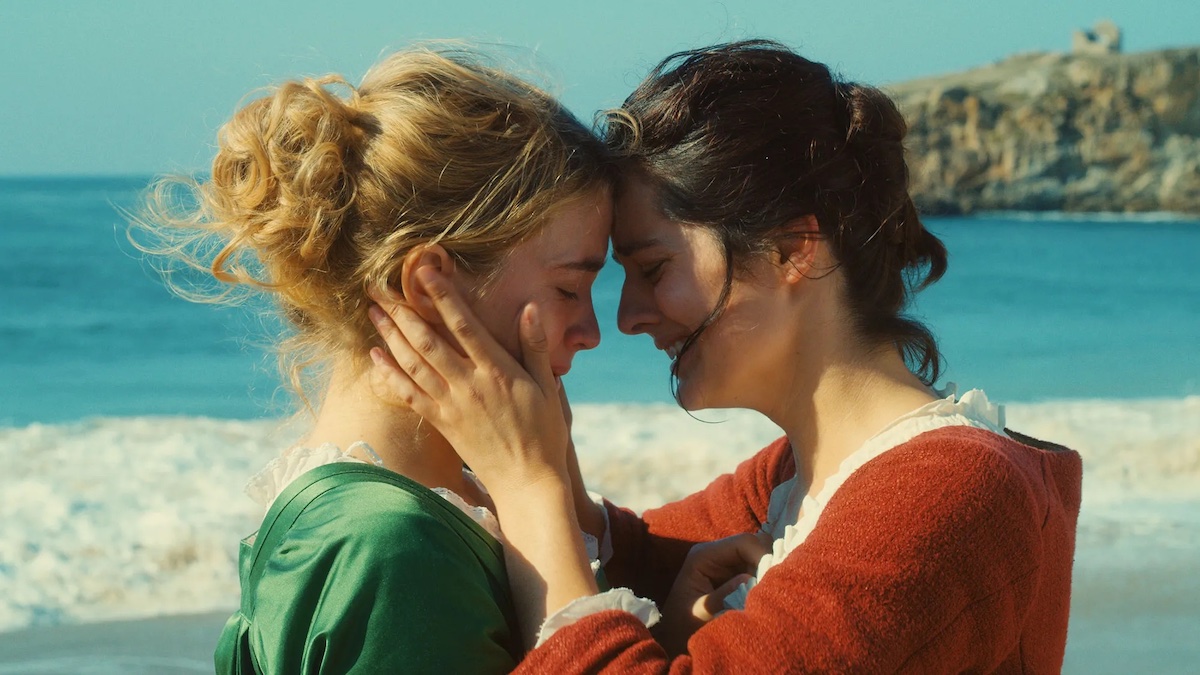
A masterclass on the cinematic power of the female gaze, Céline Sciamma’s Portrait of a Lady on Fire is the story of a painter named Marianne, who is hired to paint the portrait of a soon-to-be-married noblewoman called Héloïse. Secluded and left to stare at one another for hours on end, the boundaries between the painter and the painted’s observed/observer relationship begin to blur. Who would have guessed that immortalizing another human on canvas would be such a romantic process? So romantic, in fact, that Héloïse and Marianne are willing to risk their 18th-century reputations to spend a few moments in each other’s arms. Portrait of a Lady on Fire is a slow-burning elegy for every sapphic romance in history that never got to bloom, every love affair that never took root because society wouldn’t have allowed it. Héloïse and Marianne’s love burns all too briefly, but that’s why it shines so bright.
Let The Right One In

The greatest vampire movie ever made, Let The Right One In is a horror film featuring one of the tenderest coming-of-age queer romances in cinema history. It’s the story of a bullied twelve-year-old named Oskar, whose lonely days in suburban Sweden come to an end after he meets a new neighbor girl who only comes out at night. Drawn together by mutual isolation, Oskar becomes the Renfield to the genderqueer young Eli’s Dracula, and the pair’s promise to go steady is made as exsanguinated bodies pile up around town. A parable about abuse, Eli and Oskar are neglected by their caregivers, denied basic needs like empathy and compassion (and in Eli’s case, a reliable source of blood). With no adults to protect or provide for them, the two children learn to depend on one another. After all, Oskar’s never been safer with Eli. She might not look it, but she can rip your head clean off.
Brokeback Mountain
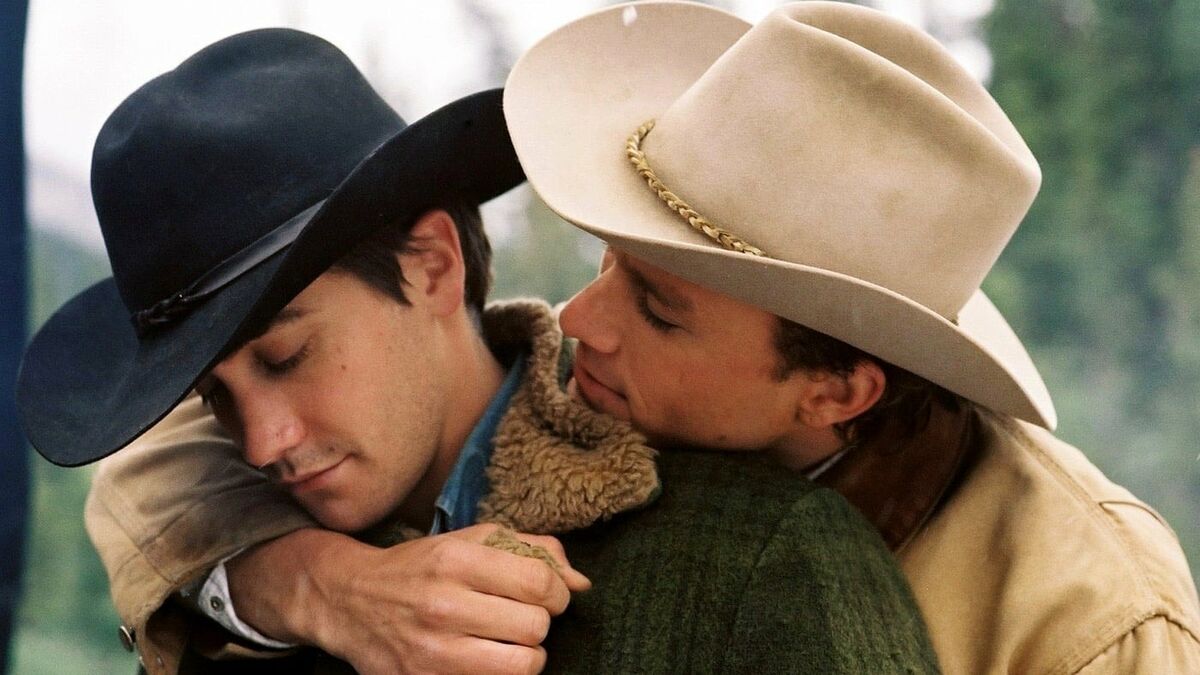
One of the most groundbreaking movie romances of the 21st century, Ang Lee’s Brokeback Mountain brought a queer love story to the early 2000s masses. Set in mid-century Wyoming, the story follows cowboys Jack Twist and Ennis Del Mar, who began a clandestine romance while out on the range. Following in the footsteps of heartbreaker neo-Westerns like Wim Wenders’ Paris, Texas, Brokeback Mountain revolves around a torturously brief love affair broken by the realities of the world. Unfolding with homespun yearning of an Orville Peck ballad, this tear-jerker can melt even the hardest hearts of stone. Jack and Ennis’ relationship was doomed from the get-go, but like a sunset over the prairie, watching it slowly fade is just as cinematically spectacular.
Jennifer’s Body

Aside from being a PSA on reasons why not to support your local indie band, Karyn Kusama’s Jennifer’s Body is a coming-of-age horror rife with sapphic yearning. Sacrificed by a poor man’s version of The Strokes in exchange for riches and fame, high schooler Jennifer Check is resurrected with a newfound appreciation for the taste of human flesh. As her popularity skyrockets along with her carnivorous appetites, her best friend Anita “Needy” Lesnicki is beginning to get nervous… and a little jealous. As many queer people know, falling in love with your best friend is somewhat of a rite of passage—but the results can get messy. In this case, “messy” isn’t just tears and snot but also blood and body parts. Unrequited love can sure rip your heart out. In this film’s case, literally.
Moonlight
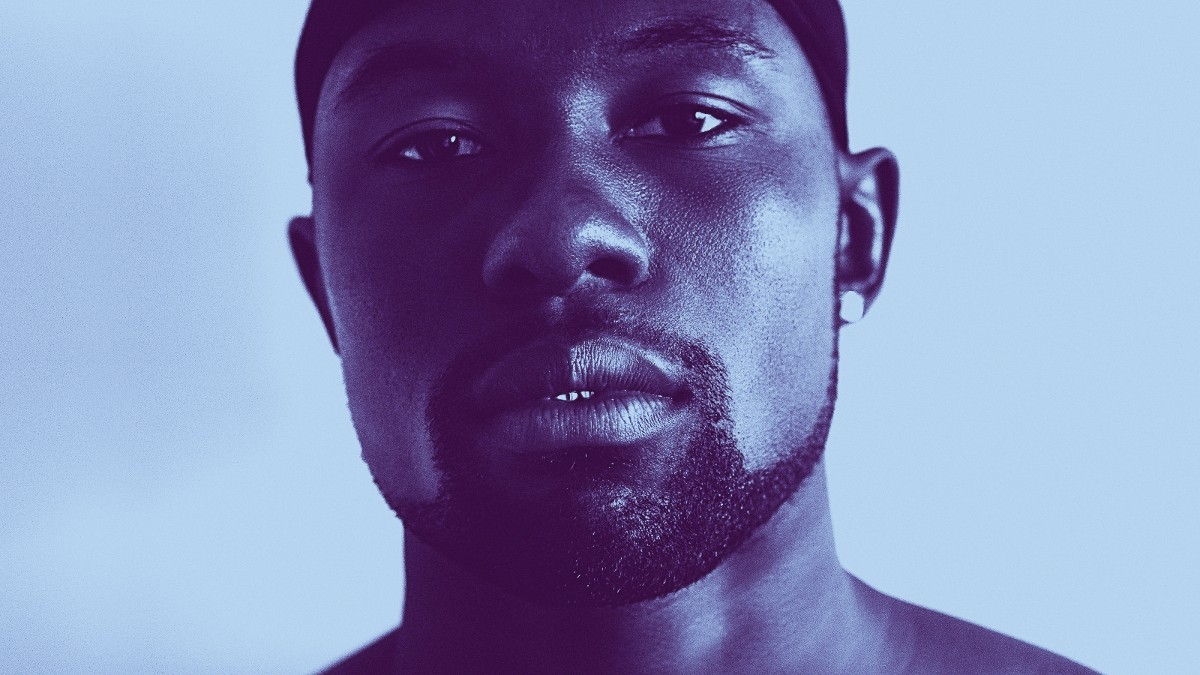
One of the greatest films of all time, Barry Jenkins’ Moonlight took home Best Picture at the 89th Academy Awards—even though Warren Beatty and Faye Dunaway mistakenly said otherwise. Told across three pivotal stages in the life of a queer Black man from Liberty City, Chiron’s journey from childhood to adulthood is one of romance, strife, and ultimately, self-acceptance. Chiron’s struggle to reconcile his identity with his family and community is painfully relatable, an example of the resilience that many queer people are forced to develop in a world that refuses to accept them. Shot with a cinematic flair that rivals Renaissance paintings, Moonlight is as fragile and majestic as the kind of light for which it’s named.
Tangerine
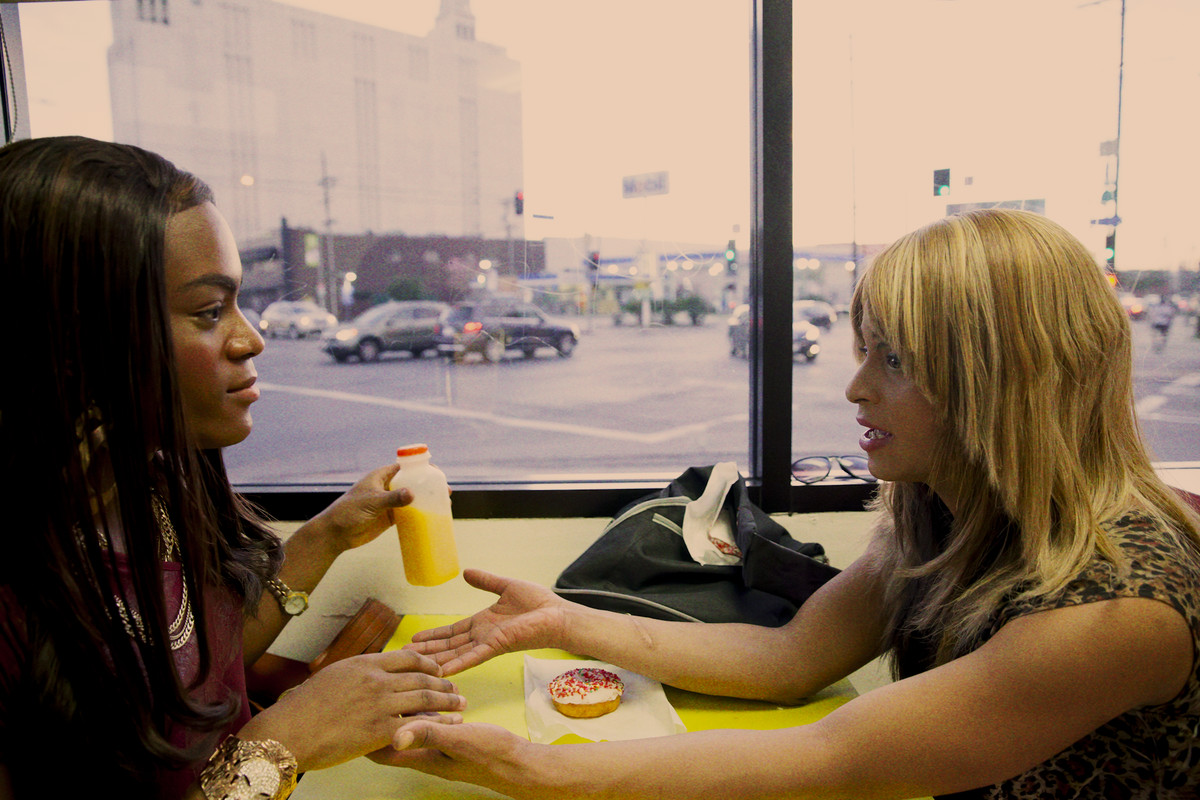
Before director Sean Baker hit the big time with Anora in 2024, he was one of the leading lights of independent cinema. There’s no better example than Tangerine, a micro-budget film that was shot entirely on an iPhone. It’s the story of two Black transgender sex workers Sin-Dee Rella and Alexandra, two friends who spent Christmas Eve singing to empty bars and hunting down cheating boyfriends. The film is unafraid to explore the gritty realities that Sin-Dee and Alexandra face daily, but balances the traumatic with the tender. Despite violence and substance abuse, the two women maintain an unbreakable sisterhood that not only allows them to survive in an ugly world, but to sing, dance, and laugh in its face.
I Saw The TV Glow

Directed by Jane Schoenbrun, I Saw The TV Glow is the story of isolated teens Maddy and Owen, who bond over a mutual love of a late-night TV show called The Pink Opaque. Relieved to have finally found a friend, Owen’s mid-90’s bliss is shattered by Maddy’s sudden disappearance—only for her to return years later with a terrifying revelation. Part nostalgia horror, part trans allegory, I Saw The TV Glow features one of the most clever subversions of the “bury your gays” trope ever conceived. According to Maddy, the past is not as Owen remembered it—to return to their true bodies, the duo needs to bury themselves alive. As the real world becomes an increasingly hostile place for genderqueer people, coming out and living as one’s true self feels as dangerous as lying beneath six feet of dirt. But as this film suggests, the self-erasing alternative is far more horrifying.
Call Me By Your Name
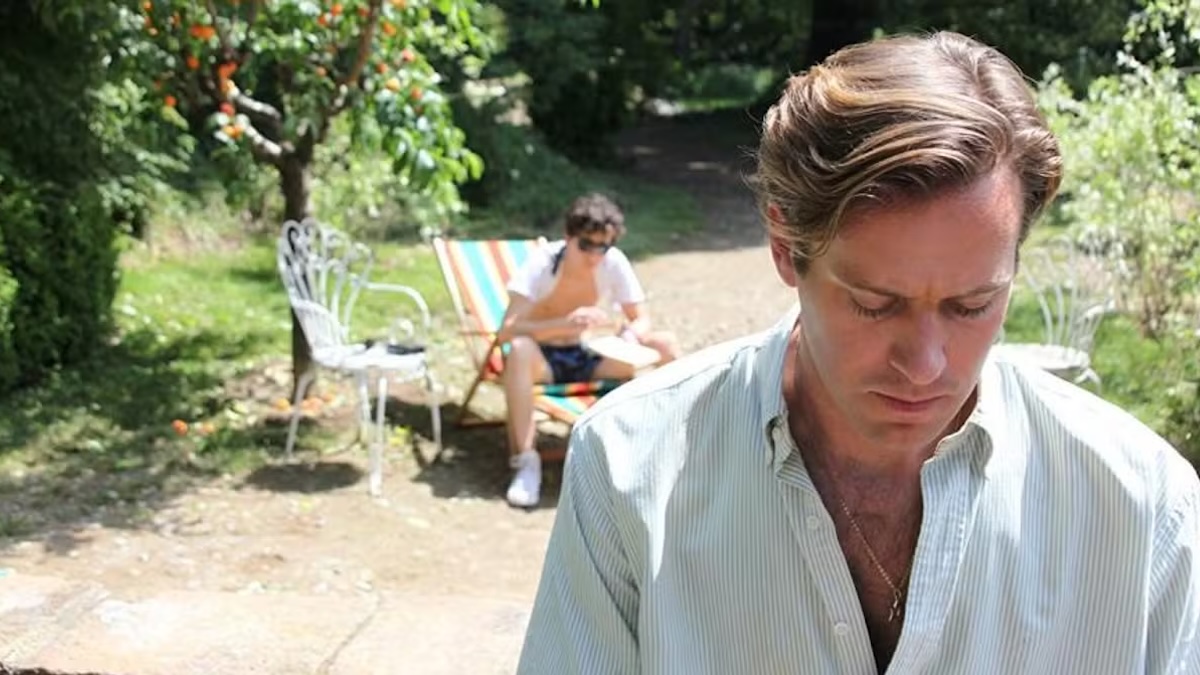
Directed by Luca Guadagnino, Call Me By Your Name is the story of Elio Perlman, a 17-year-old boy who strikes up a relationship with Oliver, a graduate student seven years his senior. Set against the shimmering backdrop of 1980s Italy, this coming-of-age romance is as warm and lush as summer itself. It’s a first love story that avoids the tragic trappings of earlier queer romance media—thankfully, no one dies. And while the story ends with an inevitable parting, Elio and Oliver aren’t broken by the loss of their love, but changed for the better. You know that person in your life who it didn’t work out with romantically, but you wish them the best despite it all? Call Me By Your Name shows that kind of love writ large on the big screen, the kind that leaves a mark on body and soul.
Love Lies Bleeding
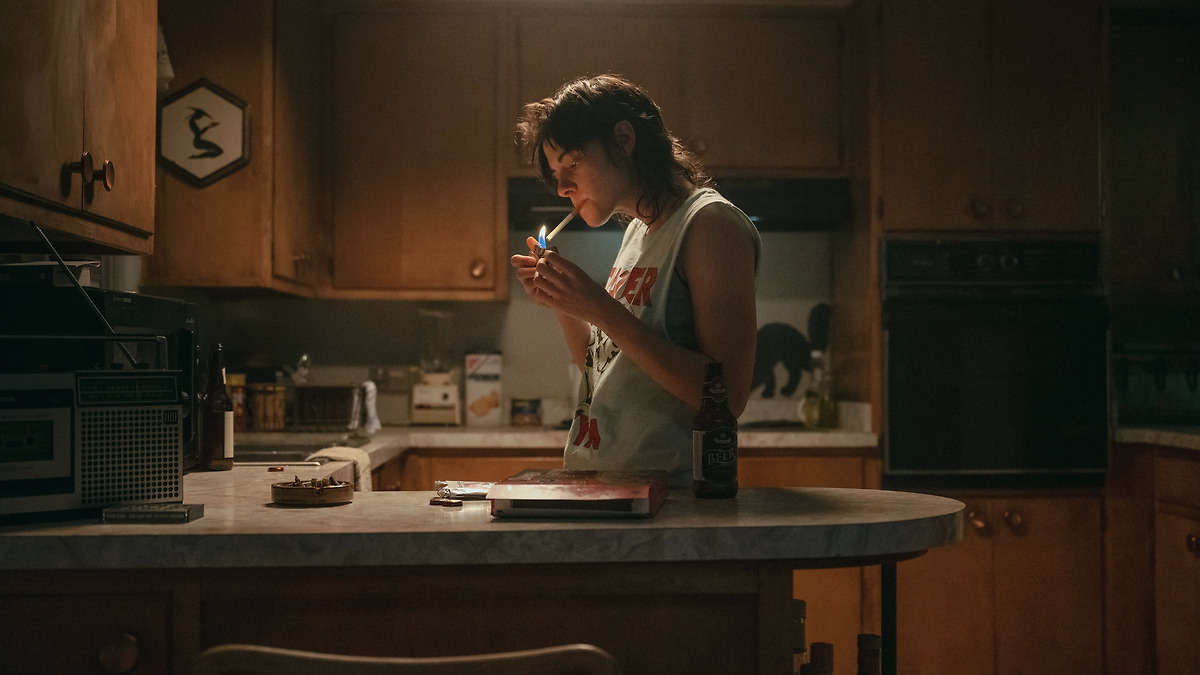
A sexy and sapphic crime drama, Rose Glass’s Love Lies Bleeding is the story of bodybuilder Jackie and her budding relationship with gym owner Lou. Bonded together by sexual chemistry and steroid use, the pair’s relationship oscillates between the tender and the toxic. Once Jackie uses her powerful, PED-enhanced body for violence, the two lovers are forced to take drastic measures to cover their tracks. A textbook example of ignoring the red flags, Jackie and Lou’s story isn’t one of love at all—it’s about how limmerance can make people vulnerable to mistreatment and manipulation. Oh, and its climax gets as surreal as a Salvador Dali painting—no one was expecting that stroke of larger-than-life cinematic genius.
Carol
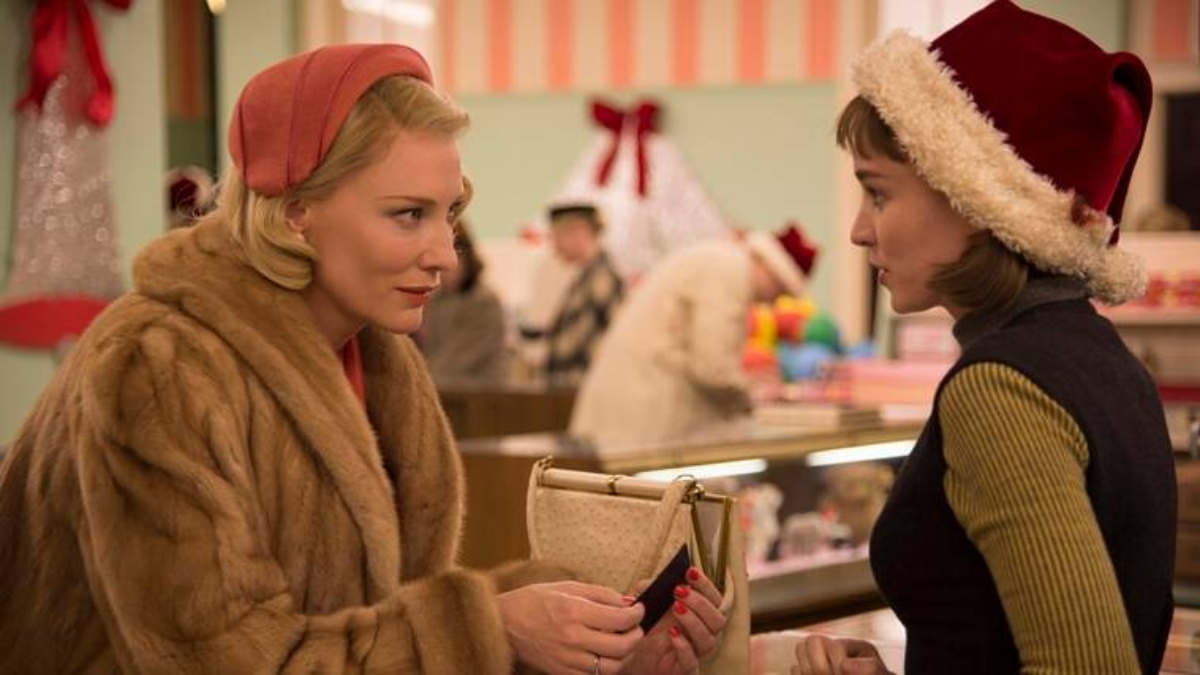
Directed by Todd Haynes, Carol is an adaptation of Patricia Highsmith’s landmark sapphic novel The Price of Salt. Set in the early 1950s, the film follows amateur photographer Therese, whose Christmas season days in retail worker Hell are made jolly by the arrival of the elegant, soon-to-be-divorced Carol. Reaching out across an age gap over a decade wide, the two women cling to one another as closely as heteronormative society will allow. There’s something quietly Thelma and Louise about Carol, two women whose rebellion against the straight world is more subtle than driving off a cliff, but no less dramatic. The best part? While the ending is somewhat up to interpretation, all of those interpretations are happy—no sobbing goodbyes here. While we all love a tear-jerker climax, queer cinema deserves something uplifting every once in a while.
Have a tip we should know? [email protected]
Follow The Mary Sue:
