


‘You’re trash for this’: Dumpster diver says Old Navy slashes old clothing before tossing it. Now viewers are discussing ‘manufactured scarcity’
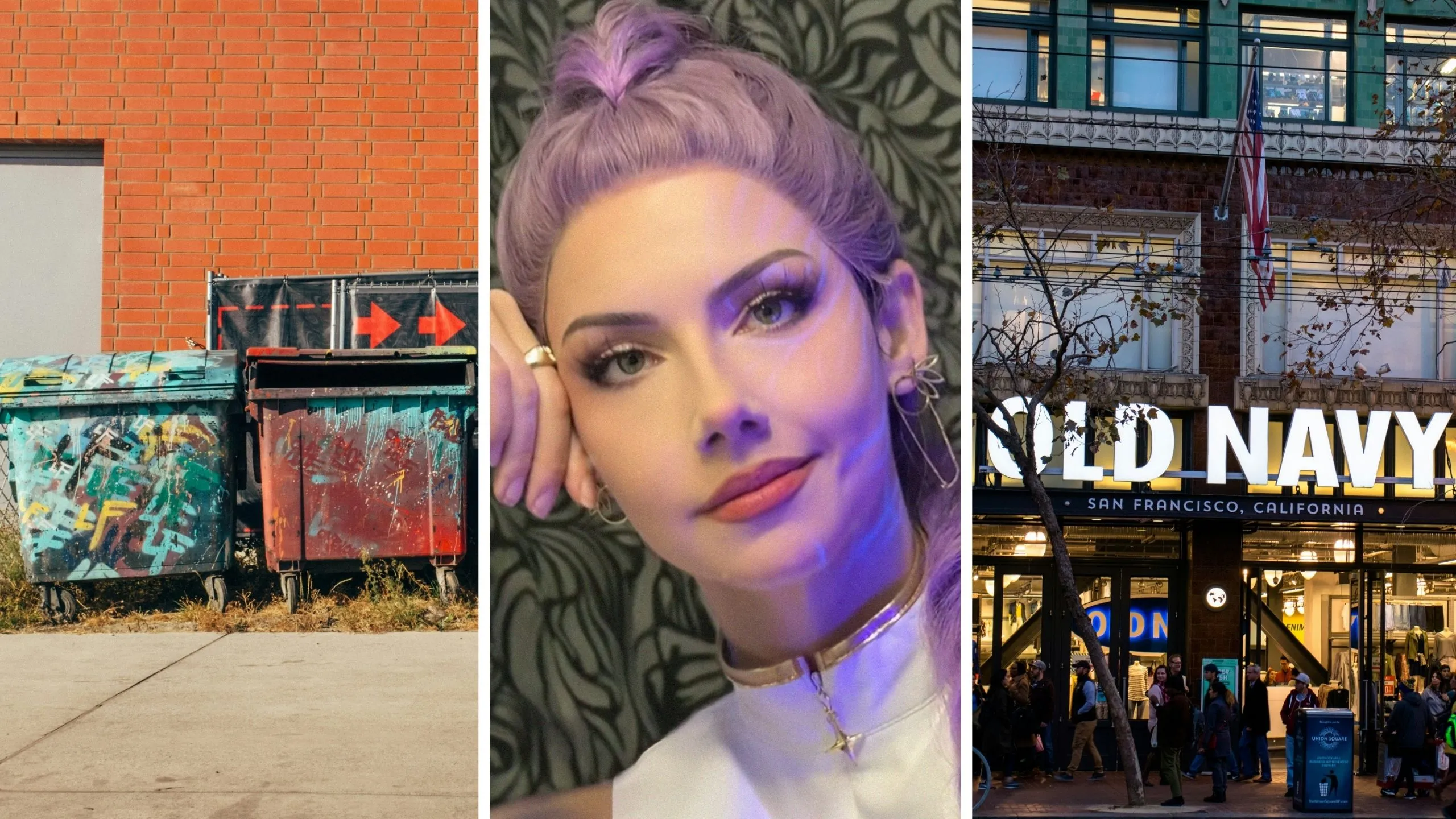
A dumpster diver took to TikTok to discuss an issue many people do not even know exists. Old Navy, and other companies like it, may be “slashing clothing” before throwing it in the trash, so people cannot wear items found in its dumpsters.
“Old Navy, you’re trash for this,” said Sam Salvage (@sam_salvage), a thrifter who regularly tries to find unused items that stores throw out in their dumps and capitalist graveyards.
Sam Salvage noticed that stores like Old Navy routinely cut up their clothing before throwing it in the dumpster as a way of preventing salvagers from accessing it. The TikToker called the behavior “vile,” which many other commenters agreed with. Others, however, said it was a standard business practice that consumers should expect.
So why would a store like Old Navy throw away clothing with giant cuts in it? Why are commenters saying the company engages in ‘manufactured scarcity’?
What is manufactured scarcity?
Manufactured scarcity is “the deliberate strategy of limiting a product’s lifespan or availability to accelerate replacement purchases and maintain artificially high market demand.”
In this regard, manufactured scarcity refers to how corporations manage their resources in order to deliberately encourage consumers to buy more products. It is an intentional restriction of consumer access, often used to preserve a brand’s power.
Companies have a variety of strategies to ensure that people continue seeing their products as “scarce,” such as limiting the production of goods, sudden product cutoffs, planned obsolescence, as well as the deliberate destruction of goods.
How could retail waste relate to manufactured scarcity?
Most brands want to keep up with the latest trends, putting out clothing that reflects consumer interests each season or even each month. For that reason, any leftover items might end up being ‘retail waste’: Items that are no longer wanted or valued by a store due to these high inventory turnover rates.
It’s important to note that retail waste is oftentimes an outcome of manufactured scarcity, but that doesn’t mean that all retail waste results from manufactured scarcity. In this case, the clothes being slashed up outside point toward it being the problem, as an associate deliberately made the products unwearable when throwing them out. But, not all retail waste is manufactured scarcity, and some methods of manufactured scarcity do not result in retail waste.
For instance, some commenters pointed toward food waste being a result of manufactured scarcity. But, restaurants are oftentimes obligated to throw food out and not donate it. There’s been a variety of evidence that indicates that many expiration dates for products are simply suggestions and are not enforceable. Still, that doesn’t change most establishments’ corporate policies, which try to avoid liability by not serving food that’s technically out-of-date.
It’s much worse for a company if they sell a product that inadvertently gives someone food poisoning than it is to simply throw the food away. Similarly, while food can by all accounts be “fresh,” any customer who perceives an older food item as a potential hazard could try to hold a restaurant handing it out. So, restaurateurs may not be trying to deliberately manipulate the food market with artificial scarcity. Instead, they’re trying to avoid concerns with liability that exists within our legal system.
What other companies engage in retail waste?
Commenters were able to identify many other companies that engage in retail or food waste. Their list includes TJ Maxx, Big Lots, Spirit Halloween, and the entire food industry.
Other companies like Shein have been accused of similar business practices for years, if not decades. That’s the case for many discount retailers as well, which quickly move breakable items out of their stores to make way for new trends.
“TJ Maxx destroys everything that is breakable then they throw it all out after every season. All the unsold Halloween stuff [is] in the trash, [and] all the unsold Christmas stuff [is] in the trash,” one commenter said. “The people I work with defend the practice. This world is brainwashed, and these comments prove it.”
Why do some commenters think it’s a ‘good thing’ for Old Navy to do?
While many people argued that Old Navy should donate extra clothing, others mentioned that the store doesn’t have to. As a for-profit business, they don’t necessarily have to make charitable contributions using their own products. Since they own the clothing items Sam Salvage found, they are entitled to slash them if they wish.
One commenter explained their reasoning, saying, “Old Navy is not a charity. Would it be nice if they took unsold merchandise to the Salvation Army or something? Yes, but they are under no obligation to do so. They [sell] clothes for profit, if they have clothes they aren’t going to sell. It makes [sense] to dispose of it and make sure it can’t be salvaged. Same concept of a restaurant throwing away an order the customer can’t pay for. They don’t give food for free, and since they now can’t [sell] that order, it’s trash.”
Another commenter added, “As they should! Every company and person that throws goods away should ensure the items are unsalvageable. People who dumpster dive should not be able to make a profit off something they obtained for free.”
This frustrated Sam Salvage, who replied, saying, “Tell that to the billionaire nepo babies profiting off of the labor of millions while contributing nothing. (I’m not a reseller. I’m a salvager. I donate).”
Ultimately, the video had commenters split down the middle. Some viewers mentioned how dystopian the world is if companies throw away perfectly good items without a second thought. Others seemingly shamed Sam Salvage for dumpster diving to allegedly “resell” goods, a claim which the TikToker denies.
@sam_salvage #dumpsterdiving #consumerism #fyp #fashion ♬ original sound – ?
We’ve reached out to Old Navy’s press email and Sam Salvage via TikTok direct message for comment. We’ll let you know if either party responds.
Have a tip we should know? [email protected]
Follow The Mary Sue:
