A horrendous scandal is unraveling at the Japanese TV network that bankrolls One Piece, Dragon Ball
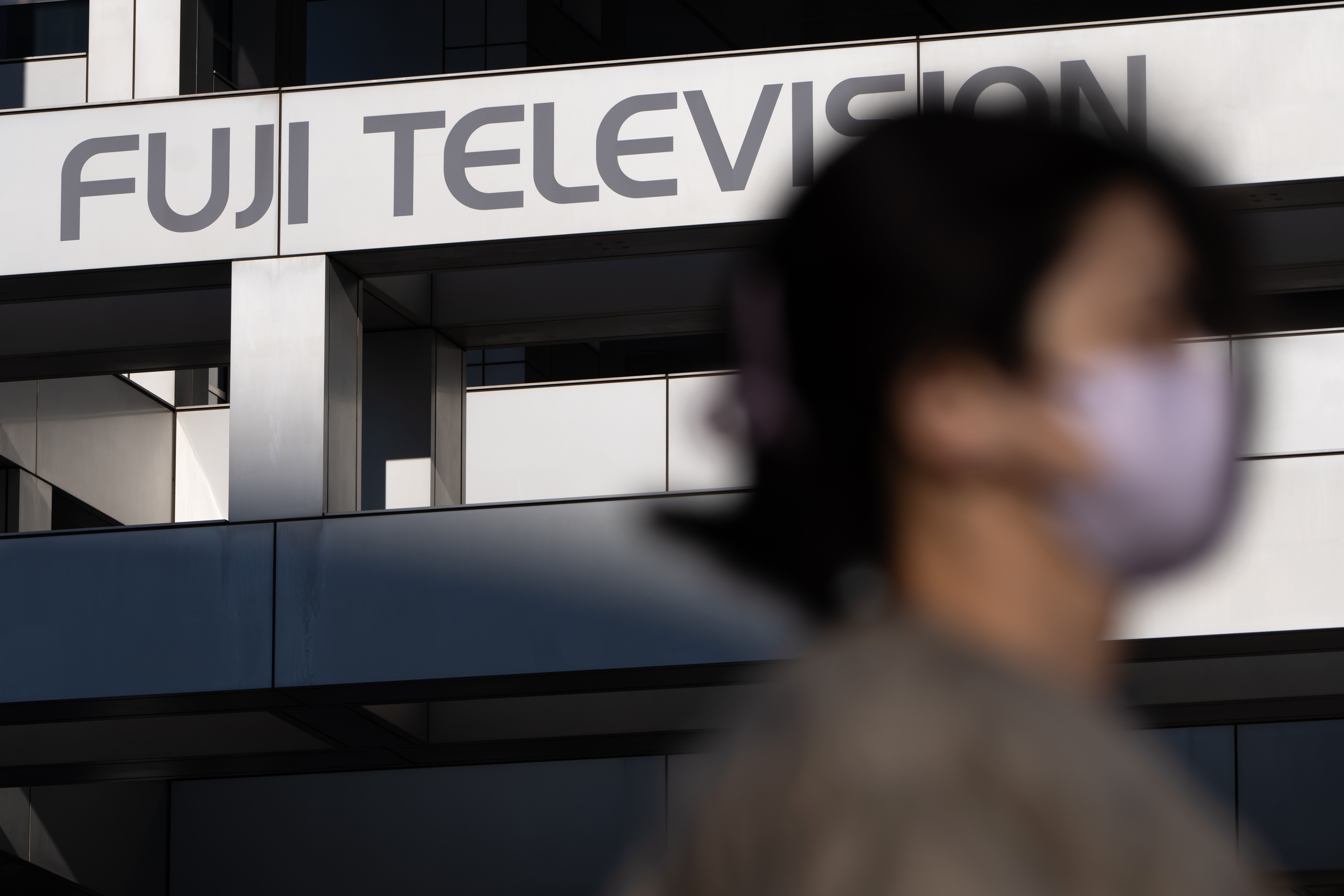
Fuji TV—one of five major broadcasting networks in Japan—is facing a major sex scandal involving hush money, a chaotic 10 hour press conference, prominent resignations, and a massive departure of advertisers.
Depending on what happens now, the scandal has the potential to be a watershed moment for the treatment of female workers in Japan. But the story arrived in the US belatedly and is getting boosted for a different version: it might effect the development of major anime like One Piece.
What’s happening at Fuji TV?
At the scandal’s center is Masahiro Nakai, an alumni of popular Japanese ’90s boy band SMAP who went on to become a TV personality. Nakai has frequently hosted shows and events on Fuji TV, which you can think of as the Japanese equivalent of American networks like NBC or ABC. Nakai allegedly sexually assaulted a woman at a dinner party in June 2023. A senior official at Fuji TV is alleged to have organized the dinner—an allegation Fuji TV denies.
In fact, according to The Diplomat, the woman (referred to as X by Japanese media) told a female Fuji TV announcer about the incident, and the announcer promptly went to senior staff. Executives reportedly met with Nakai, but Fuji TV allegedly made no further effort to investigate or resolve the scandal.
In December 2024, weekly magazine Shukan Bunshun reported the allegations, adding that Nakai and X reached a 90 million yen ($580,000) settlement. The allegations “triggered claims of systemic coverups” by Fuji TV executives.
On January 17, 2025, Fuji TV held their first press conference to try to quell the public’s anger. It backfired spectacularly. While the network pledged to open an independent probe into the incident, the network’s president admitted he was aware of the incident six months prior to Shukan Bunshun‘s report.
Executives’ refusal to be transparent or explain themselves during the press conference sparked widespread public outrage. As a direct result, nearly half of the network’s advertisers—such as Nissan, Toyota, and Shiseido—pulled out of their slots and sponsorships on Fuji TV. This sudden, major loss of income has sparked concerns for the immediate future of Fuji TV’s programs, which include the popular anime One Piece. (One Piece is made by Toei Animation, not Fuji TV. But Fuji TV is a shareholder in Toei.)
Fuji TV therefore did a do-over press conference on January 27, 2025. The second press conference lasted over 10 hours, making it one of the longest press conferences on record. Angry reporters yelled at the executives, who continued to deny involvement and even that the case involved sexual assault. Two days later, Fuji TV’s president, Koichi Minato, and lead chairperson resigned.
Why the scandal is important
While Fuji TV officials have denied the company’s involvement in the scandal, they have affirmed something rather important. In the words of AP News, officials have said that female announcers and employees “have in the past participated at parties for male stars, talent agency executives and sponsors, though they denied any sexual services.”
Now-former president Koichi Minato felt these kinds of parties were “relaxed and friendly,” but, “Looking back calmly now, there may have been people who weren’t too enthusiastic about attending when someone in a superior position invited them.”
This social dynamic at corporate events is apparently—and unfortunately—somewhat of a widespread issue. In an anonymous op-ed for Japanese newspaper The Mainichi, a female reporter wrote a testimony of her own experiences:
If an ‘important person’ attended a gathering … female attendees like me—who weren’t even colleagues—were often told to sit next to that individual. These are pitched as ‘special seats,’ but people who sit there are expected to pour drinks and serve food. While close interactions sometimes offered valuable insights, conversations occasionally turned crude. When that happened, I’d excuse myself to the bathroom and quietly switch seats upon returning. Yet, if the seats next to the ‘important person’ stayed empty for too long, I’d feel guilty.
“This controversy has highlighted deep-seated problems in Japanese society,” she ends.
In an interview with Yahoo! News, #MeToo survivor Shiori Ito said she was disappointed in the Japanese media’s response, feeling that the media defaults to protecting those in positions of power. You can see this even in some English-language coverage from outlets like The Japan Times. Their reporter at the 10-hour press conference questions, “Is it humane to subject men in their 70s—as powerful as they may be—to constant, angry questions and lectures for 10½ hours with only one 15-minute break?” Maybe not, but are they really the main concern here?
Still, one hopes that all the outrage, the coverage, and the absent advertisers count for something. Hopefully, this marks the start of something in Japan which will slowly trigger real change. If people keep sharing their stories, hopefully returning to “the norm” will be harder and harder.
But yes, as a major One Piece fan, I’m worried about that, too. To a lesser degree.
Have a tip we should know? [email protected]
Follow The Mary Sue: