


The Jimmy Look in ’28 Years Later: The Bone Temple’ Isn’t Something You Should Want to Emulate

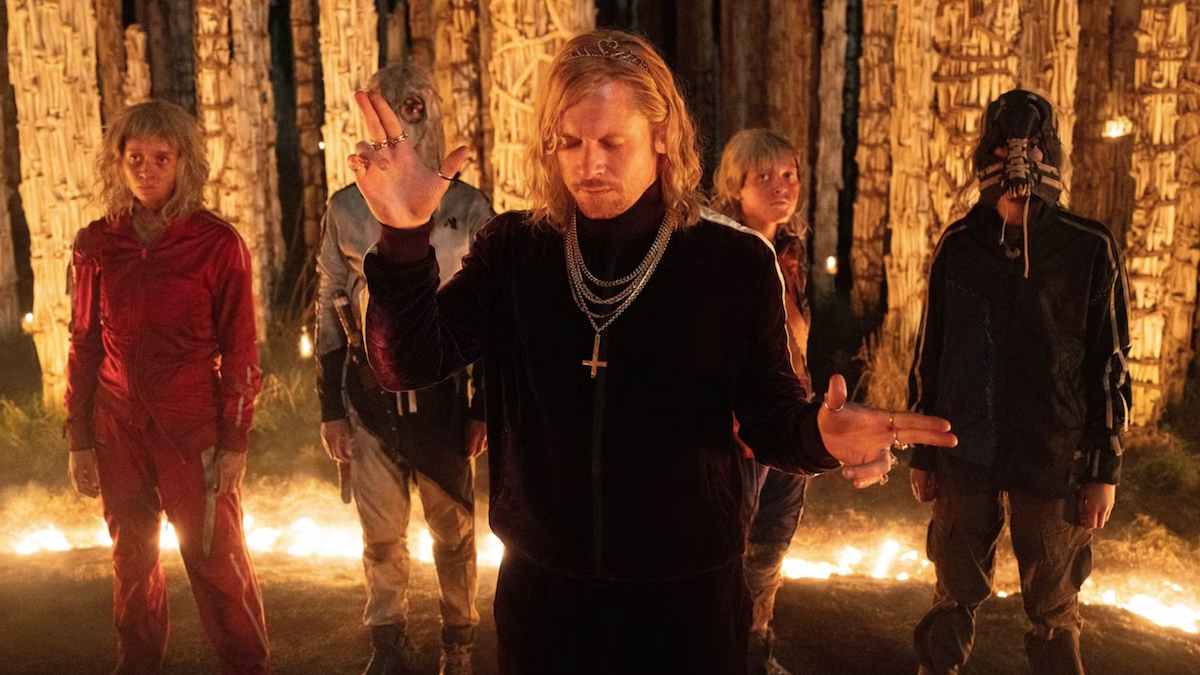
28 Years Later: The Bone Temple’s Jimmys have become a big source of conversation. But, Jimmy’s real-life influence (and the controversy around Jimmy Savile) is one of the key themes stretched across the first two movies of this trilogy.
So, if you’re out there trying to copy that Jimmy style, maybe you want to read up on why directors Nia DaCosta and Danny Boyle latched onto this story to make a larger point about society in 28 Years Later and 28 Years Later: The Bone Temple. Zombie movies are usually about our larger conditions and not just flesh-eating monstrosities. And, this one definitely goes right into that bucket too.
Jimmy Crystal (Jack O’Connell) strolls onto the scene to save Spike (Alfie Williams) when he finds himself in a tough spot near the end of 28 Years Later. A lot of American fans were puzzled by Jimmy and his band of acrobatic blonde-haired acolytes. But, they weren’t hip to British TV presenter and celebrity Jimmy Savile at the time. All of these “lost boy”-styled saviors adopted the look of the television star and other children’s programming staples. But, things take a dark turn once you know the history of Savile.
Years ago, Savile was the face of “Jim’ll Fix It” on the BBC. Savile helped grant children’s wishes on the show from 1975 to 1994. He was an off-kilter man known for that mop of blonde hair and a strange aura. Multiple celebrities participated in the show to help the children. But, after Savile died in 2011, credible allegations of child sex abuse were revealed against the TV presenter. The UK reckoned with the fact that a childhood staple was abusing children in plain sight for multiple decades.
The Jimmy’s are based on Jimmy Savile
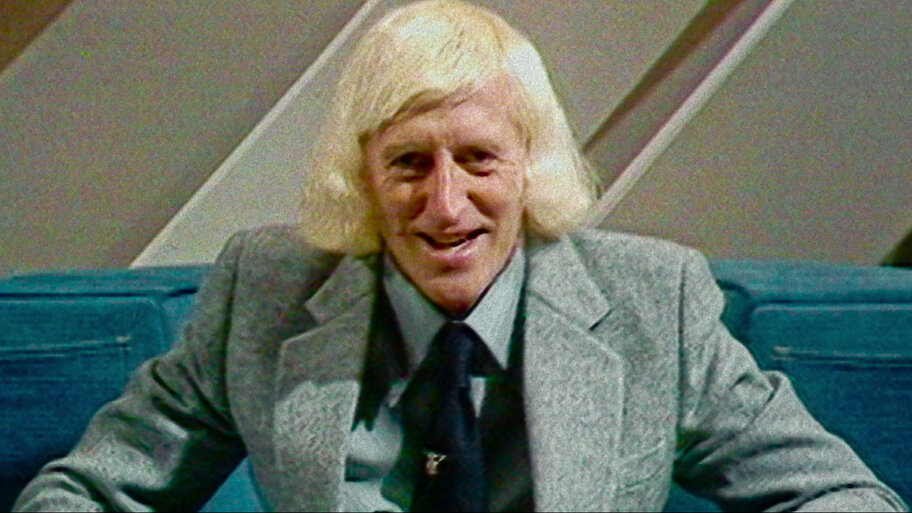
People were scandalized that Savile’s crimes went largely unnoticed and underreported when the news finally broke. Interested parties can check out Jimmy Savile: A British Horror Story over on Netflix for more on these heartbreaking developments. The survivors of his crimes slowly came forward to tell their stories and clear patterns emerged. His immense stardom and public persona largely protected him. A lot of odd behaviors and situations were summarily shrugged at.
Director Rowan Deacon gives us some context in an interview with Netflix: “I think that you can’t underestimate the size of the Savile revelations in this country for the way in which they forced Britain, in a really brutal way, to look at [how] it dealt with attitudes toward sexual assault, sexual abuse, the treatment of victims in the legal system, the treatments of victims by the police, by their own families, the testimony of sexual assault allegations that were historic and had been swept under the carpet.”
“It unleashed an outpouring of allegations, not just around Savile but around others, and a new way of understanding the way in which child abuse had been an endemic part of our society, horrifically,” she added.
What purpose do the Jimmys serve?
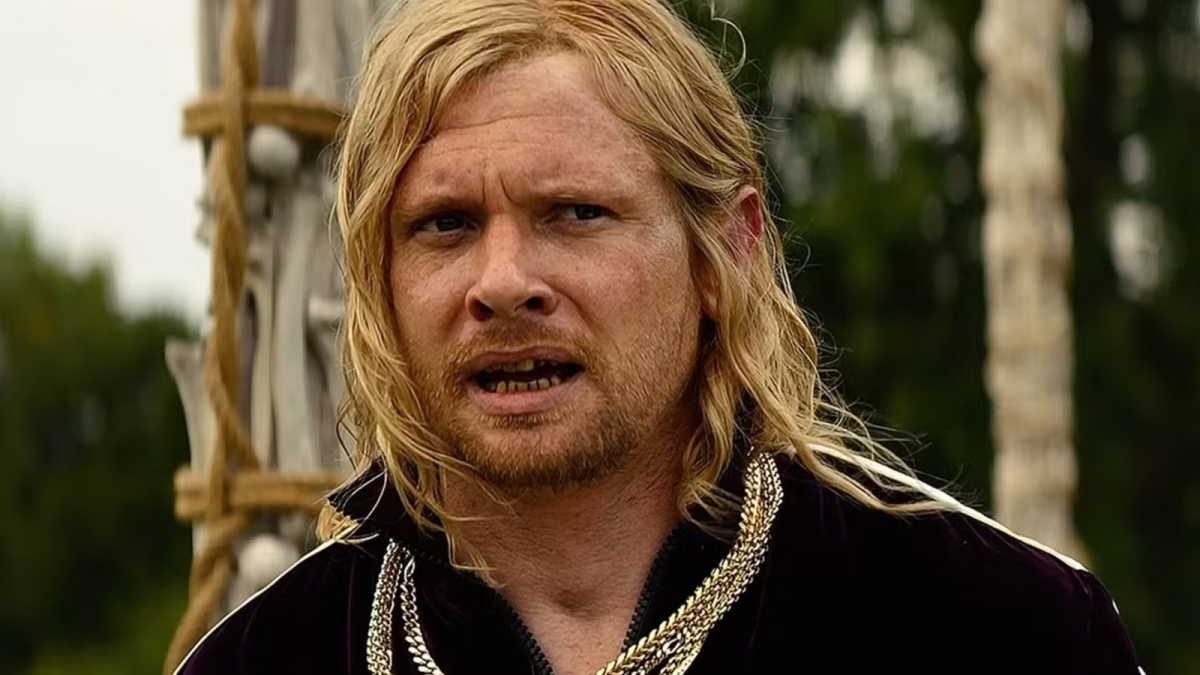
And every way that matters, the Jimmys run through the fabric of the 28 Years Later trilogy. Spike spends most of the early story trying to break free of some toxic masculinity being foisted on him by his father. However, maybe there’s some hope when these weird blonde doofuses try to save him at the end of the first movie? Crushingly, no! The Jimmies are just as misguided and prone to superstition as any of the worst people in this universe. Spike’s only hope is crafting a way forward that doesn’t merge with either viewpoint.
That’s not just me saying it, it’s present in both Boyle and DaCosta’s texts. It’s no secret that the walking dead are the least of your concern in stories like this. However, there is a certain malicious Glee in how DaCosta pinpoints how superstition and ignorance rule the day in 28 Years Later: The Bone Temple. Regurgitating the past is a dead end for both the Jimmies and for anyone left in this sad world that’s been created for them. The past can be comfort or it could be poison.
Screenwriter Alex Garland really hammered it home. Talking to Business Insider, he observed, “The thing about looking back is how selective memory is and that it cherry picks and it has amnesia and crucially it also misremembers, and we are living in a time right now, which is absolutely dominated by a misremembered past.”
(featured image: Sony)
Have a tip we should know? [email protected]
