
10 Classic Hollywood Movies That Are Secretly Queer

While it doesn’t take green-tinted spectacles to spot the gay subtext in The Wizard of Oz, other Old Hollywood movies took an even subtler approach. Before the Hays Code was established in 1943, classic films were rife with overtly queer themes. These Pre-Code films were shockingly forward-thinking for their time, challenging traditionally closed-minded notions of sexuality in American society. Though Pre-Code Hollywood was short-lived, it had a monumental effect on the industry and the queer artists working within it. These 10 classic Hollywood movies carried on the film industry’s queer legacy, whispering in secret what once was said out loud.
Tea and Sympathy
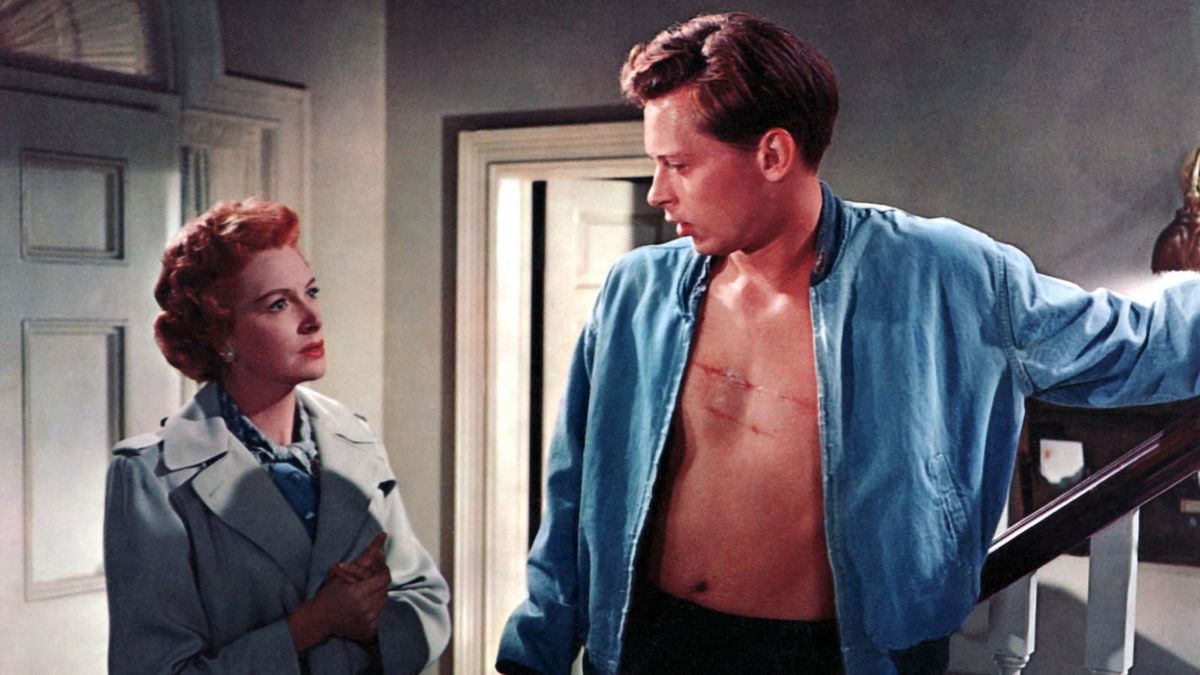
Directed by Vincente Minnelli, Tea and Sympathy is an adaptation of Robert Anderson’s stage play of the same name. It’s the story of seventeen-year-old Tom Robinson Lee, a “sensitive” young man who struggles to fit in with the hypermasculine culture of his boarding school. Bullied by his peers and ignored by his teachers, he forms an unlikely friendship with Laura Reynolds, the wife of the school’s coach. Though Laura’s feelings towards Tom waver between motherly and romantic, Tom relies on her for emotional support in a cold, male-dominated world. Fearful that Tom’s queerness was too overt, the studio insisted on adding an epilogue to the script where Tom is shown to have married a woman. Critics at the time hated the change from the original play, saying the epilogue reduced the film’s emotional impact, and they were right.
Rope
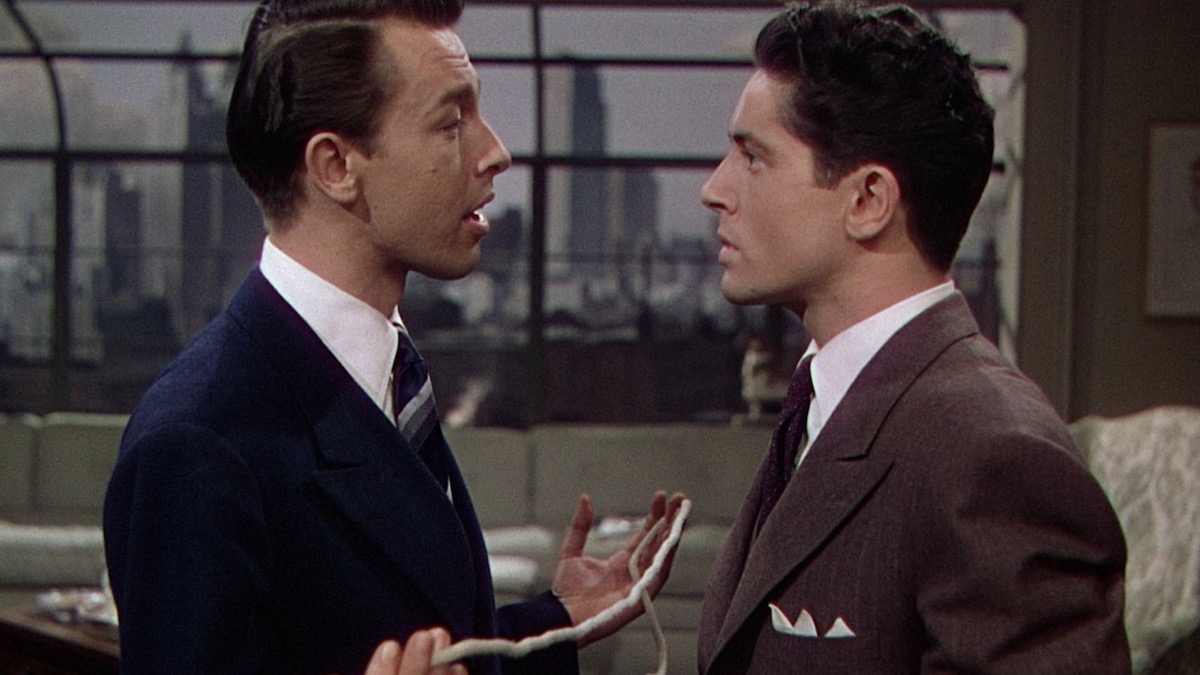
Directed by Alfred Hitchcock, Rope is the story of Brandon Shaw and Phillip Morgan, two queer-coded killers who kick off the story by strangling a classmate in their ritzy Manhattan penthouse. Artists obsessed with carrying out the “perfect murder,” the pair decide to up the ante by stuffing the corpse in a trunk and hosting a dinner party that same night. Arguably the blueprint for American Psycho, the sexual tension between the film’s two proto-Patrick Bateman protagonists can be cut with a chainsaw. While queerness was often equated with villainy at the time, these characters aren’t defined by their unspoken desire for one another so much as their desire for artistic expression through acts of violence. These two evil twinks are a match made in Hell, and they’re infernally fun to watch.
Rebecca
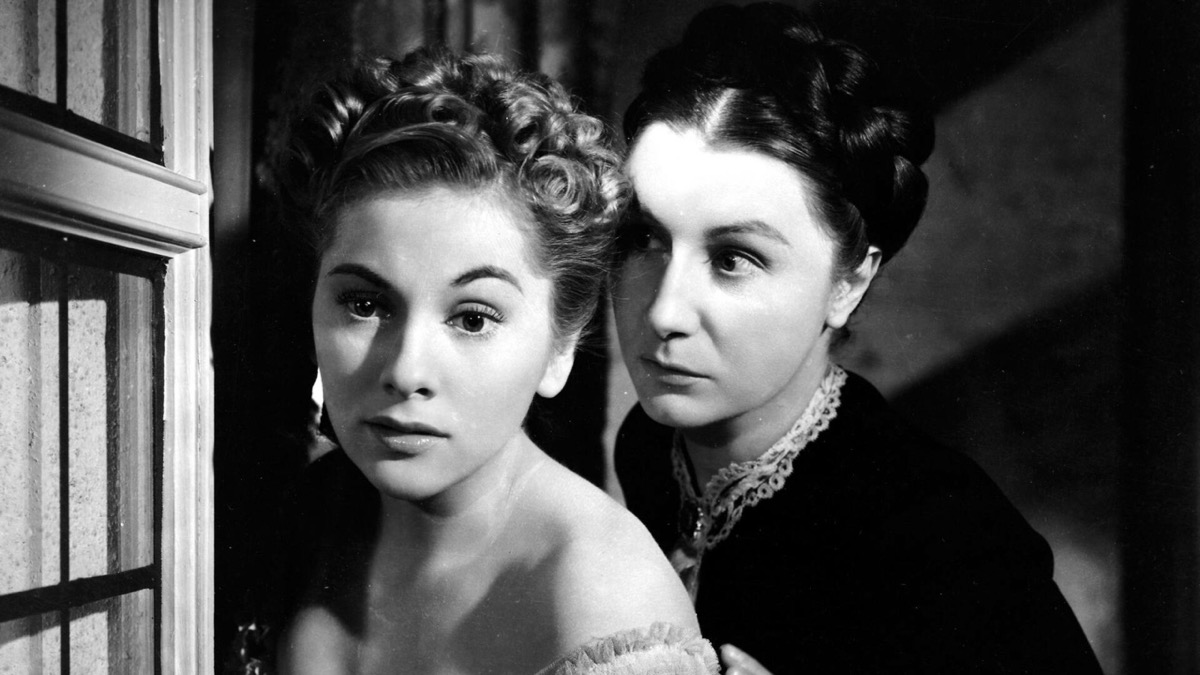
Another Hitchcock classic, Rebecca is a blueprint for queer horror. An adaptation of Daphne du Maurier’s gothic novel of the same name, the film follows a young woman who works as a paid companion to the mysterious Maxim de Winter, a wealthy widower in the French Riviera. While the young woman initially thinks being the new Ms. de Winter will be a breeze, the lingering shadow of Maxim’s first wife Rebecca haunts their home. The queer subtext comes from Mrs. Danvers, the housekeeper who was deeply devoted to Rebecca, so devoted that she can’t bear to see her replaced by a newcomer, and decides to sabotage de Winter’s new wife. Smouldering embers of unrequited queer longing reignite as Ms. Danver’s passion is once again inflamed, leading to an explosive climax that, quite literally, leaves nothing but ashes in its wake.
Johnny Guitar
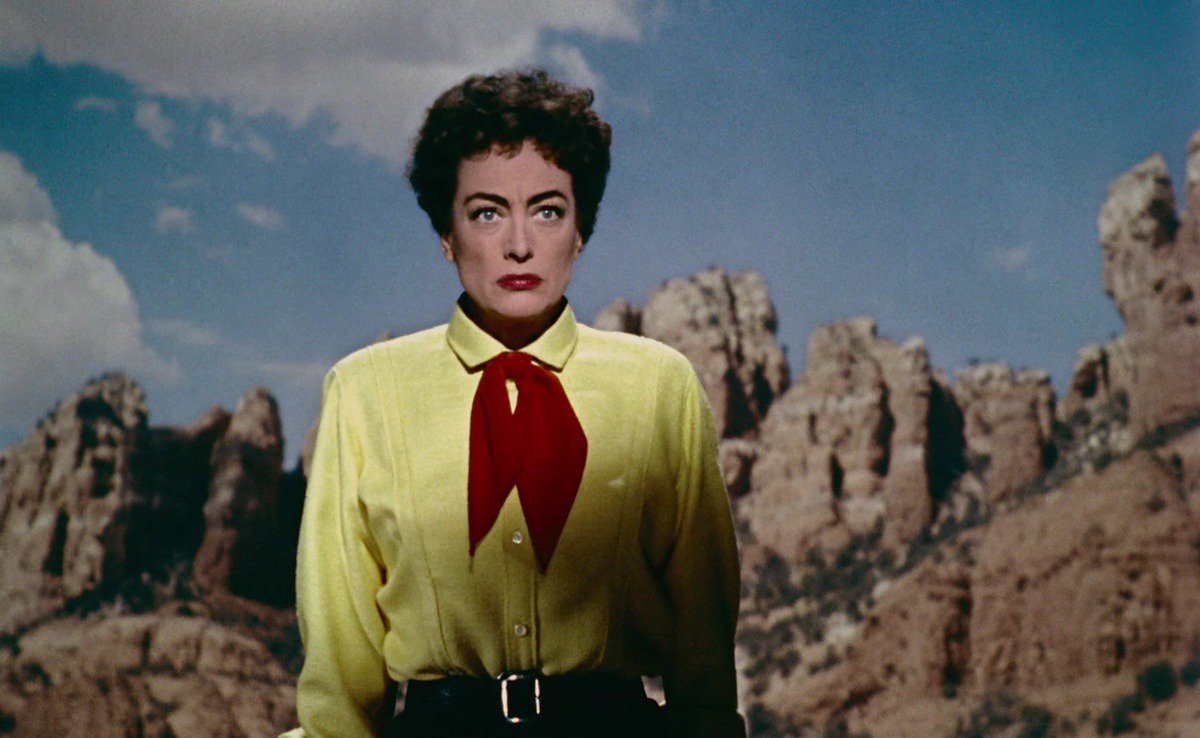
Queer icon Joan Crawford made history as Vienna, the main heroine of Nicholas Ray’s indie western Johnny Guitar. Going against gender norms of the Old West past and the mid-century present, Vienna is a tough-as-nails saloon owner who’s ostracized by her community — they want to see a railroad built through town, and she’d rather see the inside of a pine coffin before that happens. Vienna’s refusal to wear traditional women’s clothes, hold a traditional women’s job, or live a traditional life was widely regarded as queer-coded subtext for the time. And just as queer people are in the real world, she was ostracized for refusing to submit to the status quo. Art imitates life, and Vienna represents every genderqueer person who struggles to survive in a heteronormative world. And Vienna survives alright, with guns a-blazin’.
Calamity Jane
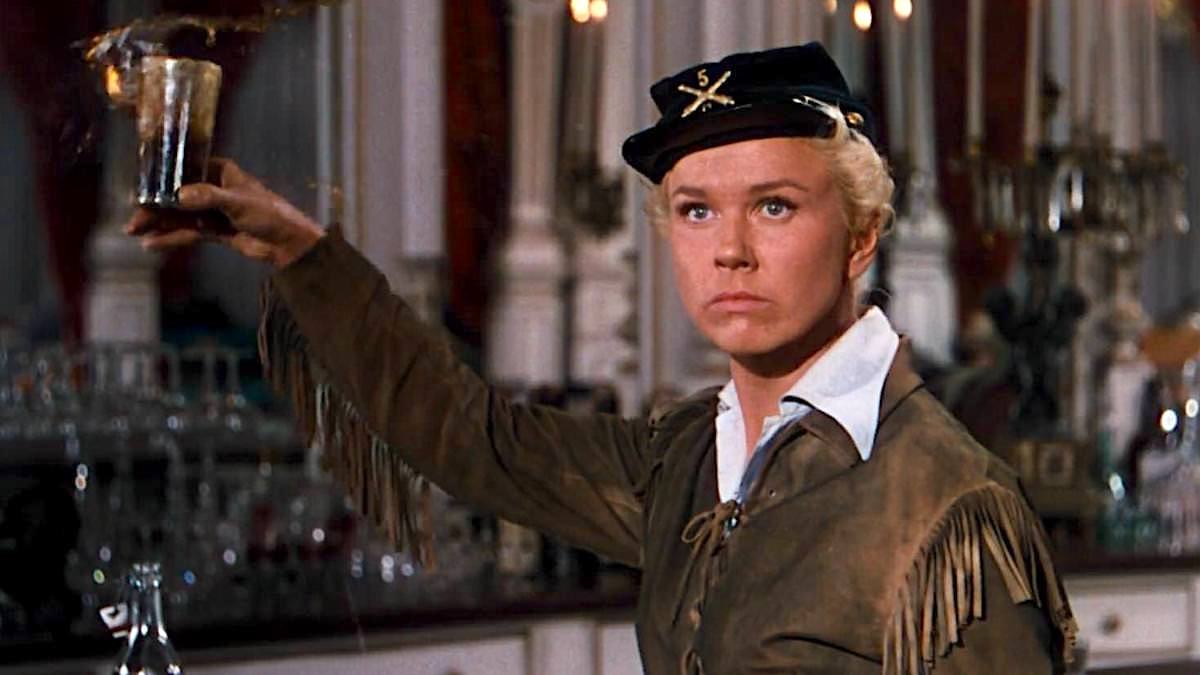
Revolving around another genderqueer icon of the Old West, David Butler’s Calamity Jane is a musical adaptation of the life of a real-world sharpshooter. Trading dresses and garters for riding pants and cowboy boots, Calamity Jane flew in the face of gender norms of the era. While the film revolves around her battles with outlaws and her romance with Wild Bill Hickok, there’s an entire musical number subtly dedicated to sapphic desire. Sung by Calamity and her high-femme friend Katie, the song “A Woman’s Touch” is about cleaning up a home on the surface, but the lines “a woman’s touch can weave a spell / the kind of hocus pocus that she does so well” can easily be interpreted as something more when the duo sings them to one another.
Rebel Without a Cause
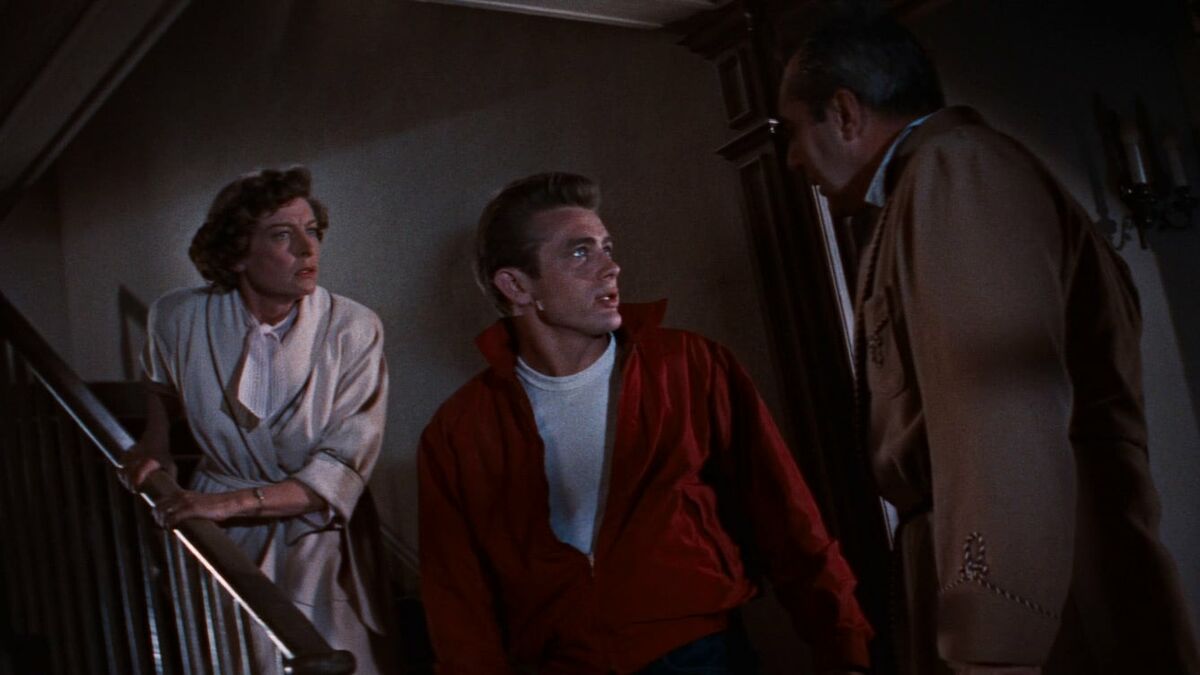
One of the most iconic films in cinema history is also one of the queerest. Nicholas Ray’s coming-of-age melodrama Rebel Without a Cause buzzes with the emotional turbulence of repressed desire. While high-school delinquent Jim Stark may end up with a woman at the end of the film, his friendship with fellow ne’er-do-well Plato Crawford is rife with gay subtext. It isn’t hard to tell that Plato was smitten with Jim ever since they crossed paths at the police station, and becomes the third point of a love triangle alongside Judy as the film goes on. There’s even a moment where the trio flirts with the idea of being a family, taking emotional solace in each other as a proto-polyamorous unit. Bonded by mutual isolation, Jim, Judy, and Plato become each other’s only source of support — carrying on the tradition of queer people choosing their families when failed by blood relations.
The Haunting
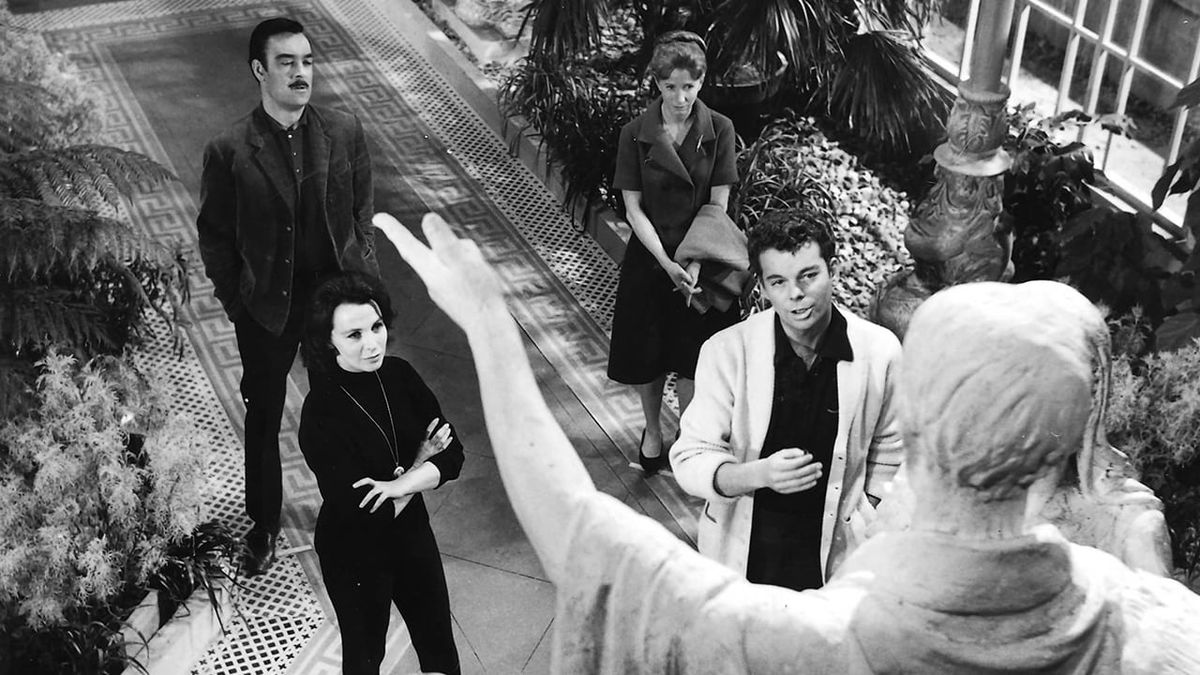
Adapted from Shirley Jackson’s landmark horror novel The Haunting of Hill House, The Haunting recontexualized the sapphic ghost story for American moviegoers. One of four people called to the eponymous Hill House to investigate a paranormal presence, Theodora is widely regarded as the Hollywood cinema’s first sympathetic portrayal of a lesbian character. While the film never explicitly states Theodora’s queerness, it’s explored in her palpable tension with the sensitive, sheltered Eleanor. The pushed-together twin beds in the shared bedroom, the frantic handholding in the dark, Eleanor’s eventual lashing out at Theo for being “unnatural” — the hints, however emotionally messy they are, are there. A film about the deadly reprecussions of repressed desire, Eleanor’s dark fate at the film’s end could potentially have been avoided had she acknowledged her emotions instead of trying to bury them — leading her to become the dreaded Hill House’s lastest victim.
Ben-Hur
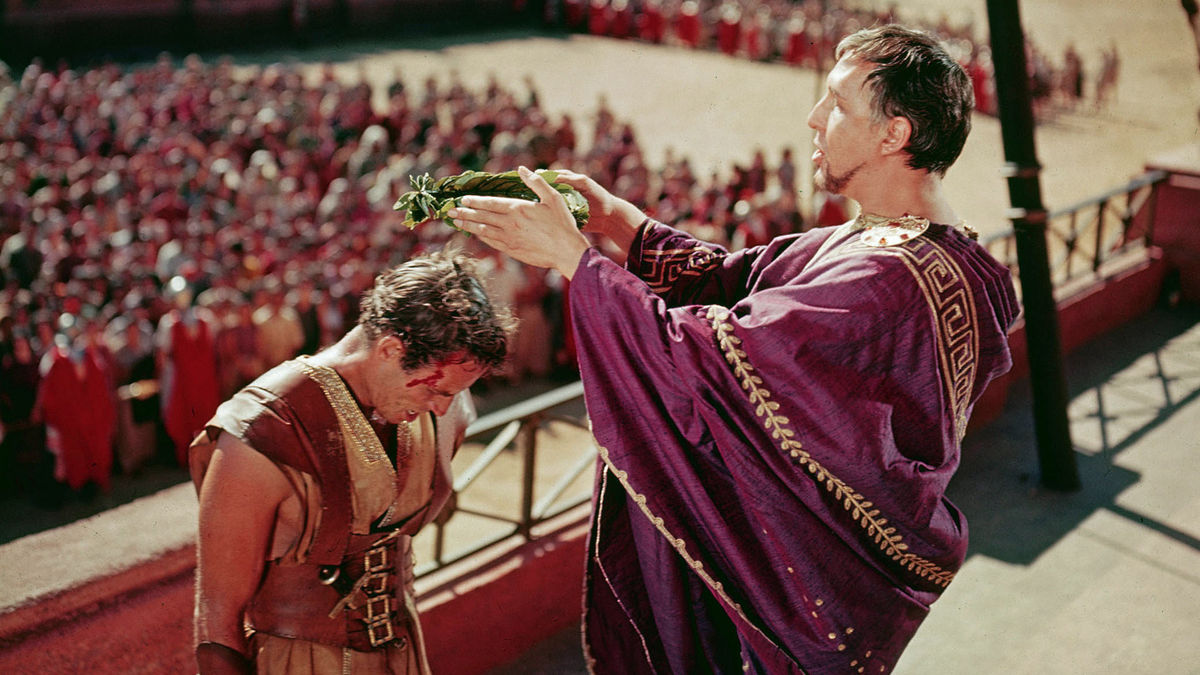
Don’t tell Charlton Heston, but William Wyler’s Ben-Hur was written with queer desire in mind. According to the documentary The Celluloid Closet, screenwriter Gore Vidal imagined the rivalry between Judah Ben-Hur and Messala as stemming from a failed gay relationship — Messala’s actor, Stephen Boyd, was directed to play the part with this in mind. This queer subtext was kept secret from Heston, who was famously conservative and often espoused anti-gay rhetoric. While Heston didn’t know it, he was one half of one of Old Hollywood’s most famously queer-coded relationships. After all, only a messy breakup could cause the sort of bitter feelings that Massala and Ben-Hur have for one another.
Red River
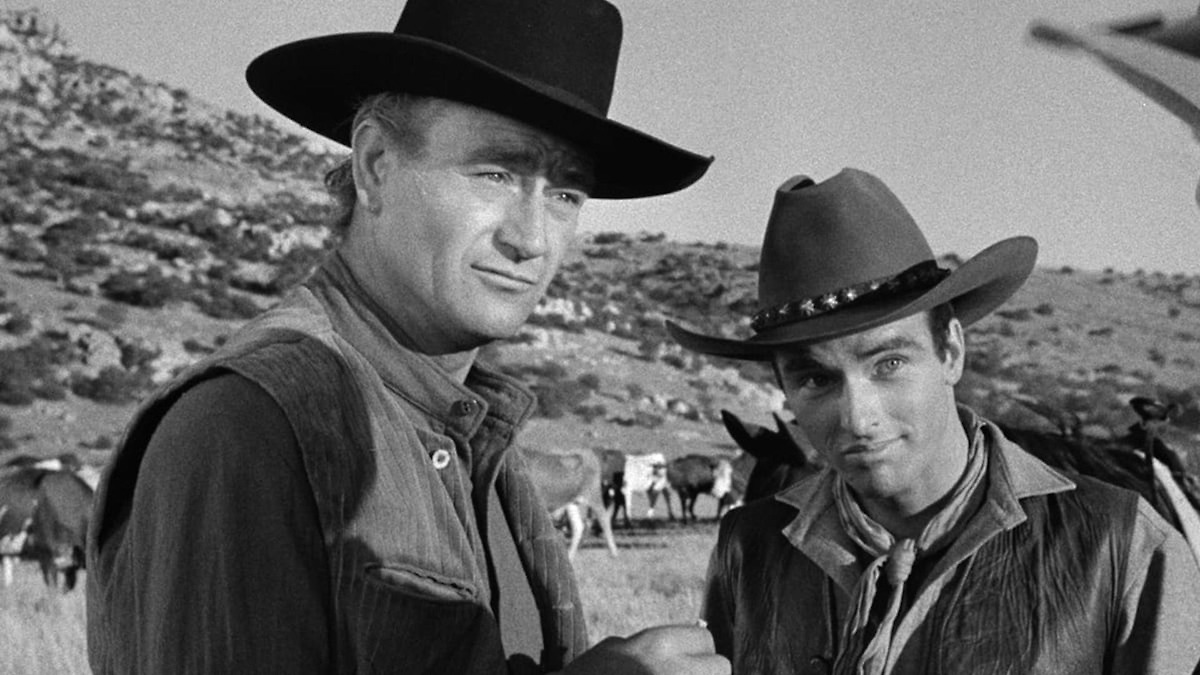
From Brokeback Mountain to The Power of the Dog, gay cowboys are one of the most enduring tropes in American cinema — Howard Hawks’ Red River served as an Old Hollywood blueprint. While the main plot is a father/son power struggle over the course of an arduous cattle drive, the queer subtext becomes apparent in scenes between the cowboy Matt and his friend Cherry. In one infamous scene, the pair compare guns — handling each other’s revolvers and commenting on their size and shape. It’s heavy with sexual innuendo, and when paired with Montgomery Cliff’s tender and introspective performance of Matt, the film’s queer undertones shine through the gruff and hypermasculine exterior. Matt ends up married to a woman at the film’s end, but so do Ennis del Mar and Jack Twist — the queer romance was always there.
The Maltese Falcon
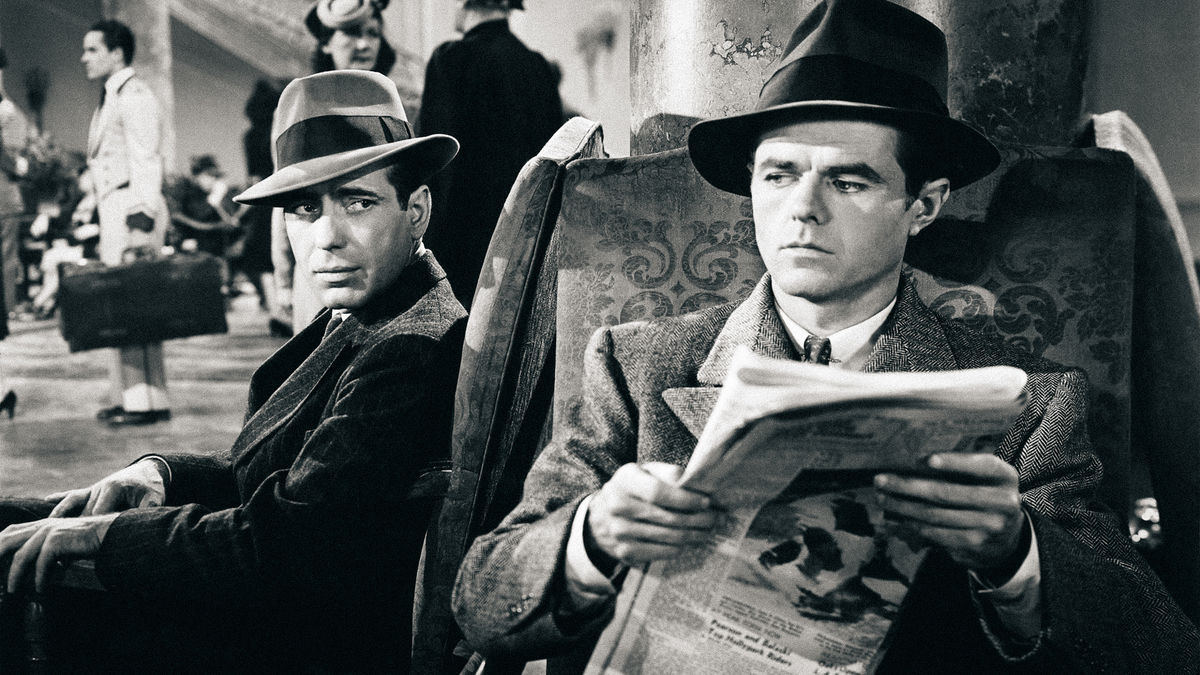
John Huston’s The Maltese Falcon is perhaps the most significant work of film noir ever created, and one of the queerest. It follows hard-boiled private eye Sam Spade, snooping around the mean streets of San Fransico on the hunt for a bedazzled bird statue. Also on this wild goose chase is Joel Cairo, one-third of a criminal trio covetous of the fabled Falcon. One of the era’s many queer-coded villains, Cairo shows up at Spade’s office and offers him money for the Falcon’s recovery while suggestively fondling a cane. Pulling perfumed handkerchiefs and pistols with equal pizazz, Cairo’s theatrical villainy contrasts with Spade’s straight-laced anti-heroism. While Spade maligns Cairo for his perceived effeminacy, his discomfort with the villain says everything the viewer needs to know about the detective’s own sexuality. The film subtly acknowledges the homophobia of its protagonist and contrasts it with his all-consuming desire to chase after a rather phallic-shaped statue — it doesn’t take a hard boiled private eye to uncover the irony.
Have a tip we should know? [email protected]
